Category: Home Services & Trades

  • Automotive Window Tint for Heat Protection: What Works

    Automotive Window Tint for Heat Protection: What Works

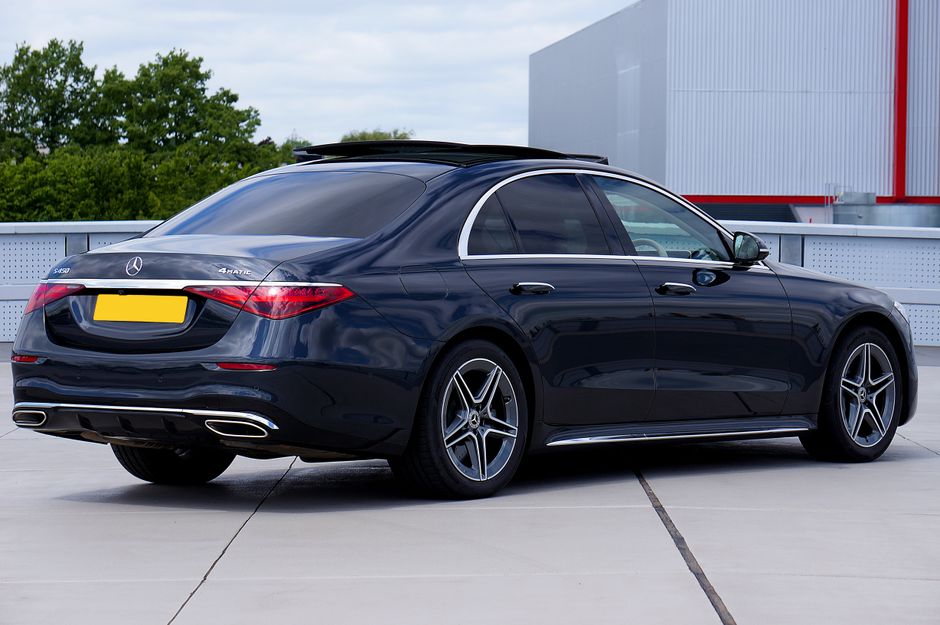
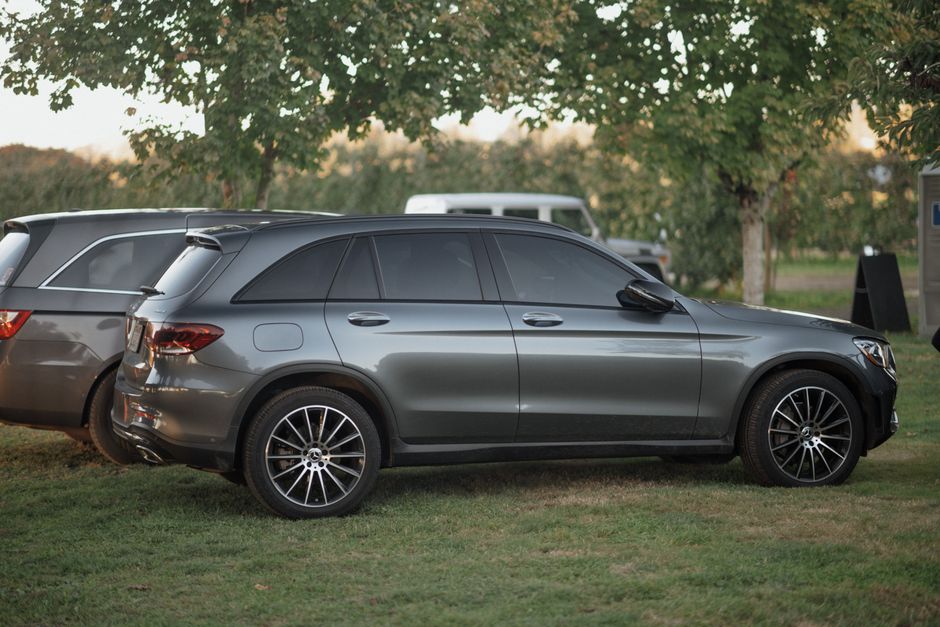
    If you’re sitting in a parked car on a hot Arizona afternoon, you already know the problem: the interior turns into an oven in minutes. Automotive window tint for heat protection is one of the most practical upgrades you can make to your vehicle. Quality tint film blocks up to 99% of UV rays, reduces solar heat gain, and keeps your car more comfortable year-round.

    Here’s what you need to know before you decide whether tinting is right for your vehicle.

    How Automotive Window Tint Works for Heat

    Window tint films work by reflecting and absorbing solar energy before it enters your car’s interior. Think of it like sunscreen for your windows. The film sits on the inside of the glass and blocks a significant portion of the sun’s heat and ultraviolet radiation.

    Related: Commercial Window Tinting Goodyear AZ: Benefits & How It Works

    Related: Best Window Tint for Commercial Buildings: Heat & Security

    The magic happens at the molecular level. Most tint films contain either metallic particles or ceramic nanoparticles that intercept infrared radiation (the wavelengths that cause heat). When these particles block that energy, less of it makes it through to your dashboard, seats, and steering wheel.

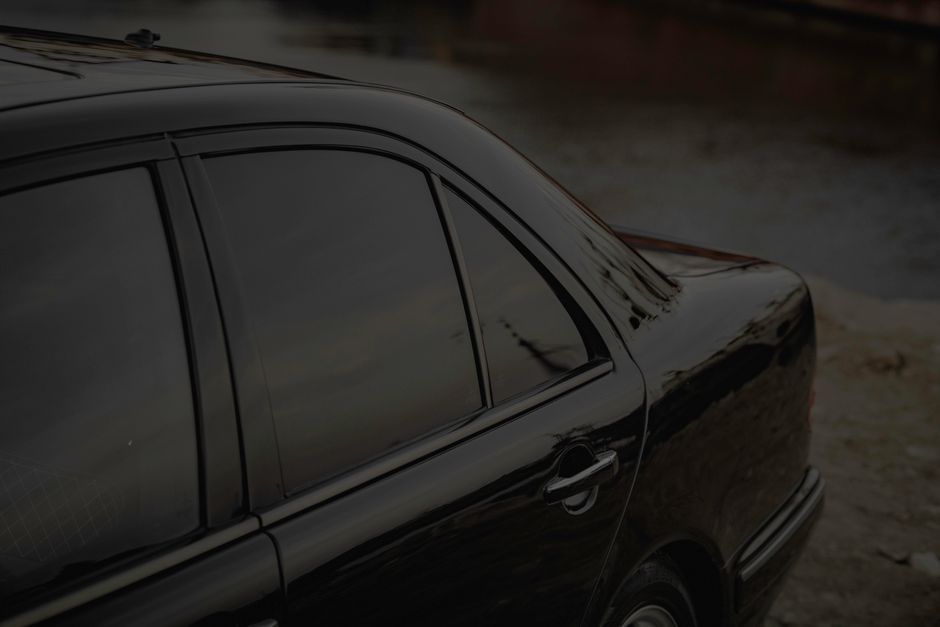
    Ceramic tint is the premium option for heat protection specifically. Unlike older dyed or metallic films, ceramic technology offers superior heat rejection without the drawbacks. You get better visibility, no radio interference, and tint that won’t fade or bubble over time.

    According to research from the National Center for Biotechnology Information, UV exposure also accelerates skin damage and increases melanoma risk, which makes UV blocking a genuine health benefit, not just a comfort feature.

    Real Benefits Beyond Just Staying Cool

    Yes, heat protection is the headline benefit. But automotive window tint actually does several things at once:

    • UV Protection: Blocks up to 99% of ultraviolet rays, protecting your skin during drives and preventing interior fading
    • Interior Preservation: Your dashboard, seats, and steering wheel won’t crack, fade, or age as quickly under intense sunlight
    • Privacy and Security: Darker tint makes it harder for people to see what’s inside your vehicle
    • Reduced Glare: Less light bouncing off reflective surfaces means easier, safer driving
    • Overall Comfort: Your AC doesn’t have to work as hard, which can improve fuel efficiency slightly

    If you live in an area where temperatures regularly hit 90-100°F for three or more months per year, these benefits add up fast. Arizona drivers, especially those in Peoria and Phoenix, deal with this reality every summer.

    Ceramic Tint vs. Other Film Types

    Not all window tint is created equal. Understanding the differences helps you make the right choice for your climate and budget.

    Ceramic Tint: The best option for heat protection. Ceramic nanoparticles provide superior infrared rejection without metallic particles that can interfere with electronics or create a reflective look. These films are durable, resist fading, and maintain optical clarity. The trade-off is price—ceramic tint costs more upfront.

    Metallic Tint: An older style that uses metal particles to reflect heat. It’s cheaper than ceramic but can interfere with cell phone signals, GPS, and radio reception. It also tends to look reflective and can corrode over time.

    Dyed Tint: The most affordable option. Dyed films absorb heat rather than reflecting it, and they provide decent UV protection. The downside is durability—dyed tint fades faster and can bubble or peel within a few years, especially in extreme heat climates.

    For Arizona’s heat, ceramic is worth the investment because it actually lasts and performs as advertised. You’re not replacing it every few years.

    What to Expect from Professional Installation

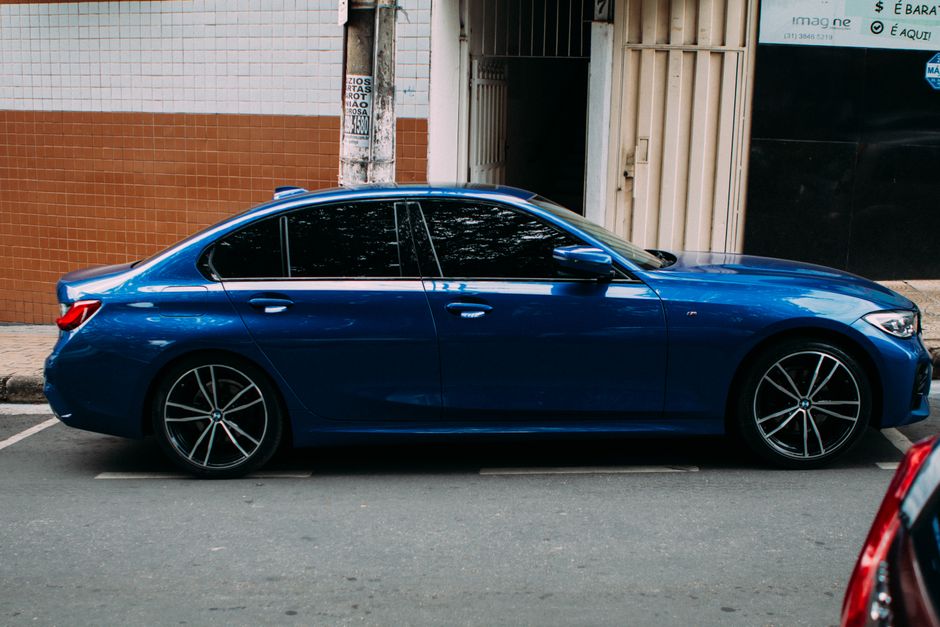
    automotive window tint for heat protection

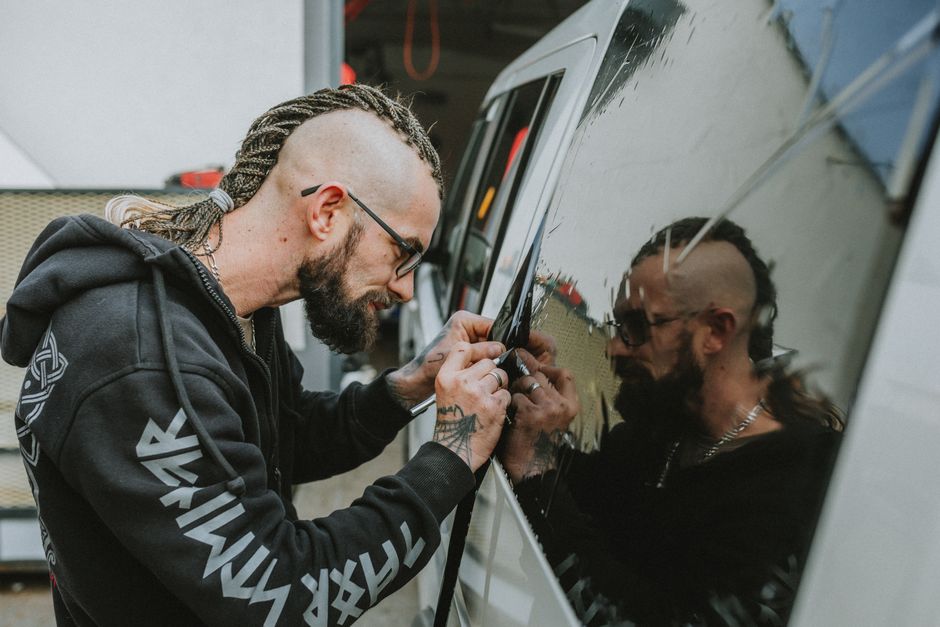
    Installing window tint correctly matters. Poor installation leads to bubbles, peeling, streaks, and reduced performance. A professional applies the film using precise techniques, proper tools, and experience.

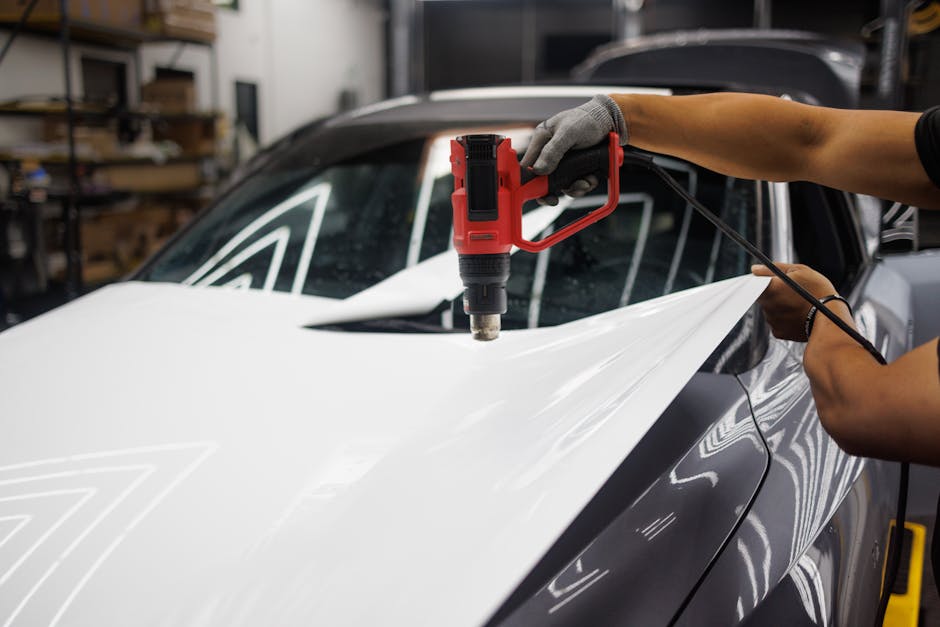
    Professional installers heat-shrink the film to fit your windows exactly, use slip solutions to position it perfectly, and squeegee out air bubbles without damaging the material. The process takes a few hours depending on how many windows you’re tinting.

    Related: How to Find a Professional Window Tinting Contractor

    Related: How Much Does Window Tinting Cost in 2026

    After installation, you’ll need to let the film cure. Most tints need 24-48 hours before you should roll down your windows or clean the glass. This allows the adhesive to set properly.

    When you’re ready to explore professional tinting for your vehicle, SunTrust Mobile Window Tinting offers mobile installation services, which means technicians come to you—whether that’s your home, work, or another convenient location.

    How Much Heat Does Tint Actually Reduce?

    The effectiveness of automotive window tint varies based on the specific film, how dark the tint is, and the angle of the sun. Ceramic films are engineered to reject a significant portion of solar heat, which is why they’re specifically recommended for hot climates.

    Related: Ceramic Window Tint vs Dyed Film: Which Is Better?

    Real-world performance depends on several factors: the film quality, the darkness level (measured in VLT or Visible Light Transmission), your vehicle’s color, and whether your windows are tinted on all sides or just the rear and sides.

    The best way to verify effectiveness is through consultation with a professional installer who can explain the specific performance characteristics of the tint they recommend. Marketing claims alone aren’t reliable—you want to talk to someone who understands your vehicle and your climate.

    Legal Darkness Restrictions in Arizona

    Arizona has specific regulations about how dark your window tint can be. Front side windows have different limits than rear windows and the rear windshield. If you plan to tint your vehicle, check current Arizona Department of Transportation guidelines to make sure your tint meets legal standards.

    A professional installer will know the local regulations and can recommend tint darkness levels that give you maximum benefit while staying compliant. This is another reason working with an experienced provider like SunTrust Mobile Window Tinting makes sense—they handle the technical and legal details so you don’t have to.

    Related: Best Window Tint Darkness Levels for Vehicles: A Complete Guide

    Is Automotive Window Tint Worth the Investment?
    automotive window tint for heat protection

    If you spend significant time driving in intense sun, yes. The combination of heat reduction, UV protection, interior preservation, and privacy makes tint a practical upgrade that pays dividends over time.

    Related: Decorative Window Tint Privacy Film: Style & Privacy Guide

    You’ll notice the difference immediately when you get into your car. The interior will be cooler, the light will be softer, and reflections on the windshield won’t be as harsh. Over months and years, your dashboard and seats will age much more slowly.

    In a hot climate like Arizona, window tint is considered a smart vehicle upgrade—not a luxury add-on. It directly improves your driving comfort and protects your investment in the vehicle itself.

    Getting Started with Automotive Window Tint

    The first step is deciding what level of tint you want and what your budget allows. Talk to a professional installer about your priorities: Are you focused mainly on heat reduction, or do you want darker tint for privacy and aesthetics? Do you want to tint just the rear and side windows, or everything including the front?

    Once you’ve made those decisions, get a quote from a reputable installer who has experience with your vehicle type and understands Arizona’s climate and legal requirements. Ask about the specific film they use, the warranty they offer, and how long the installation takes.

    A professional can also answer questions specific to your vehicle—whether tinting rear windows might affect your backup camera, for example, or whether certain tint shades work best with your car’s color and interior.

    If you’re in the Peoria area and ready to explore professional automotive window tint options, SunTrust Mobile Window Tinting provides mobile installation with quality ceramic films designed for heat protection and durability.

    Related: Automotive Window Tinting Cost Per Square Foot in 2026

    Related: UV Protection Window Tinting Services: Complete Guide

    Related: Automotive Tint Removal & Reapplication Services Guide

    Related: Window Tint for Home Heat Rejection: Complete Guide

    Frequently Asked Questions

    How much does automotive window tint cost?

    Pricing depends on your vehicle size, the number of windows you’re tinting, and the quality of the film. Ceramic tint costs more than dyed or metallic options but lasts significantly longer. A full vehicle tint typically ranges from a few hundred to over a thousand dollars. Get quotes from local installers for exact pricing in your area.

    Can I tint my windows myself?

    You can buy tint kits and attempt DIY installation, but professional results require skill and practice. Bubbles, wrinkles, and misalignment are common with DIY tinting. Professional installation ensures quality results, proper curing, and a warranty. For the price difference, professional installation is usually worth it.

    Will window tint affect my visibility or visibility at night?

    Quality tint should not significantly reduce your ability to see the road, especially at night. Ceramic tint maintains optical clarity while blocking heat and UV. Extremely dark tint on front windows can affect visibility, which is partly why legal restrictions exist. A professional installer will recommend darkness levels that balance heat protection with safe visibility.

    How long does automotive window tint last?

    Ceramic tint can last 10 years or longer if professionally installed and properly maintained. Dyed or metallic tints typically fade and deteriorate faster in extreme heat climates, often needing replacement within 5-7 years. Arizona’s intense UV exposure means high-quality tint is especially important for longevity.
  • How Much Does Window Tinting Cost in 2026

    How Much Does Window Tinting Cost in 2026

    So you want to know how much window tinting costs. Short answer: anywhere from $100 to over $1,000, depending on what you’re tinting and where you live.

    The real answer is more nuanced than that, and it matters because tinting is a service where you genuinely get what you pay for. A $99 tint job and a $500 tint job are not the same thing. Let’s break down the actual numbers and what drives them.

    Residential Window Tinting Cost

    For your home, expect to spend between $316 and $941 for a typical project. The average hovers around $613.

    But “typical” is doing a lot of heavy lifting here. What matters more is the price per square foot, which usually runs $6 to $18 depending on your location and the film quality you choose.

    Here’s how the math works: if your home has 15 large windows totaling 300 square feet of glass, and your installer charges $10 per square foot, you’re looking at $3,000. If someone quotes you $6 per square foot, it’s $1,800. That’s a huge difference for the same job.

    Related: Automotive Window Tint for Heat Protection: What Works

    Geographic location makes a ridiculous difference. A window tinting project that costs $400 in one state might cost $800 in another. Peoria, Arizona and the greater Phoenix metro area fall in the mid-range for pricing, though costs have climbed since 2024.

    Related: Window Tinting for Office Buildings Near Peoria

    Related: Best Mobile Window Tinting Brands in Phoenix Metro 2026

    Related: Mobile Window Tinting in Peoria, Arizona: Complete Guide

    Related: How to Maintain Window Tinting on Cars: Complete Guide

    Related: UV Protection Window Tinting Services: Complete Guide

    Automotive Window Tinting Cost

    For your car, standard window tinting typically runs $100 to $200 for the whole vehicle.

    Related: Automotive Window Tinting Cost Per Square Foot in 2026

    A coupe or sedan usually falls on the lower end. SUVs and trucks with more glass run higher. If you want premium film or custom work, add $50 to $100 on top of that.

    The difference between a $100 tint and a $200 tint is usually the film quality and the installer’s experience. Cheap shops rush the job. Good installers take their time, use better tools, and their work lasts longer.

    What Actually Drives Window Tinting Prices

    Five things determine what you’ll pay:

    • Film type and performance level. A basic dyed tint ($100-$200 range) gives you color and some UV block. Premium films with metallized or ceramic layers cost 2-3x more but reject heat way better and last longer.
    • Total square footage of glass. More windows = higher price. That’s just math.
    • Window complexity. Curved glass, skylights, or oddly shaped windows take longer to tint and cost more.
    • Your location. Labor costs are higher in dense urban areas and coastal regions. Rural areas are cheaper.
    • Installer reputation and experience. A shop with great reviews and a long track record charges more because they’re worth it.

    If you’re comparing quotes and one is wildly lower than the others, ask questions. Sometimes it’s a legitimate discount. Sometimes they’re cutting corners on prep work or using lower-grade film.

    Breaking Down Film Types and What They Cost

    how much does window tinting cost

    Not all tints are created equal, and the film you choose has the biggest impact on your total bill.

    Standard dyed tint: This is the entry-level option. It’s basically a colored film layer that sits under your existing glass. It blocks some UV rays and reduces glare, but doesn’t reject much heat. Perfect if you’re tinting for privacy or aesthetics on a budget. You’ll pay $100-$200 for a car, $6-$8 per square foot for a home.

    Metallic tint: Metal particles in the film reflect heat and light better than dyed film. It lasts longer and performs better. The tradeoff: some metallic tints can interfere with cell signals or radio reception if you’re not careful. Cost is usually 25-50% more than dyed.

    Ceramic tint: This is where the premium sits. Ceramic particles do everything metallic does but without the signal interference. They reject more heat, block more UV, and the film stays clearer longer without fading. Ceramic is the top choice if energy savings matter to you. Expect to pay 2-3x the price of basic dyed tint, but the durability and performance justify it for most homeowners.

    When you get a quote from SunTrust Mobile Window Tinting, the estimate should spell out exactly which film type they’re quoting and why.

    Regional Price Examples

    Location matters. A lot.

    In New York City, a standard residential tinting project averages around $633. In smaller markets, you might pay $400-$500 for the same job. Arizona sits somewhere in the middle, though prices have edged up recently.

    Labor rates are the main driver. If your installer has high rent, high payroll, and lots of competition, they charge more. If they operate in a lower-cost area with less competition, prices drop.

    Don’t assume cheaper is worse, but also don’t assume expensive is better. Get 2-3 quotes and compare what’s included.

    What to Ask Your Installer Before You Get Quoted

    When you call around, ask these questions to compare apples to apples:

    • What film brand and type are you quoting (dyed, metallic, or ceramic)?
    • Does the price include prep work and cleanup?
    • How long is the warranty on the film and the installation?
    • Do you offer a warranty on peeling, bubbling, or delamination?
    • How long will the job take?
    • Will you come to my home or business, or do I need to go to your shop?

    That last point matters. Mobile installers (the kind who come to you) sometimes charge a travel fee, but you save time. That’s worth asking about.

    Why Professional Installation Matters to Your Budget

    how much does window tinting cost

    You might be tempted to DIY window tinting or hire the cheapest option available. Please don’t.

    Bad tinting installation leads to bubbles, wrinkles, peeling edges, and hazy spots. Once those flaws are in, you either live with them or pay again to have it redone. A second tint job costs as much as the first one.

    Professional installers have the right tools, the right technique, and the experience to handle tricky windows. They also stand behind their work with warranties. Professional window tinting services cost more upfront, but the durability and aesthetics are worth it.

    Related: How to Find a Professional Window Tinting Contractor

    Research shows that heat rejection and UV blocking performance vary dramatically between amateur and professional installations, even with the same film. Your money spent on a pro pays for itself in better heat rejection and longer film life.

    Energy Savings and ROI

    Here’s the part that justifies the cost to a lot of homeowners: window tinting actually saves you money on energy bills.

    According to ENERGY STAR resources on window efficiency, solar heat gain through windows is a major driver of cooling costs in hot climates. Tinting blocks up to 80% of that heat, depending on the film type.

    In Arizona’s brutal summers, that adds up. If you save $20-$50 per month on cooling (a realistic number for a well-tinted home), your $600-$900 tinting project pays for itself in 12-18 months.

    After that, it’s pure savings. Plus you get the bonus benefits: less fading of furniture and flooring, more privacy, reduced glare on screens, and better comfort in your home.

    Getting a Quote from a Trusted Installer

    When you’re ready to get serious about window tinting, work with someone local who knows your climate and your building type. The Peoria and Phoenix metro area has unique heat challenges, and installers familiar with those conditions will give you better recommendations.

    Related: Commercial Window Tinting Near Me: Find Local Installers

    A good installer will walk you through film options, explain the performance differences, and help you understand the value of premium films versus budget options. They’ll also give you a clear, itemized quote so there are no surprises.

    If you’re in the Arizona area, SunTrust Mobile Window Tinting serves residential, commercial, and automotive clients with professional installation and transparent pricing. They’ll come to your home or business and handle the whole project.

    Related: Commercial Window Tinting Legal Requirements Arizona 2026

    Window Tinting Cost FAQs

    Is window tinting a one-time cost or do I need to replace it?

    Good quality tinting lasts 5-10 years depending on the film type and sun exposure. Dyed tint fades faster than ceramic. Eventually, you’ll need to replace it, but that’s years away. Budget it like you would a home improvement project—big upfront cost, long-term benefit.

    Why do some shops quote so much cheaper than others?

    They might be using lower-grade film, rushing the installation, or skipping prep work. They might also be new and building market share. Get references. Ask how long they’ve been in business. A shop that’s been around for 10 years earned that reputation through quality work.

    Can I get window tinting done in winter?

    Yes, but it’s harder. Tinting works best in warm conditions. Cold temperatures make the adhesive slower to set and the film harder to work with. You can still get it done, but expect longer curing times and potentially higher labor costs if conditions are difficult.

    Does the cost change if I only want to tint certain windows?

    Sometimes. If you’re only tinting the west-facing side of your house (which makes sense for heat control), the price drops proportionally. But minimum service calls might apply, so check with your installer. Mobile shops sometimes have a small travel fee that applies whether you’re doing one window or ten.

  • Commercial Window Tinting Near Me: Find Local Installers

    Commercial Window Tinting Near Me: Find Local Installers

    Looking for commercial window tinting near you? You’re in the right place. If your office, retail space, or warehouse is getting too hot, letting in too much glare, or you’re watching your energy bills climb every summer, window tinting is a straightforward solution that actually works.

    Here’s the honest truth: commercial window tinting isn’t complicated, but finding the right installer matters. You need someone who shows up on time, does clean work, and guarantees their film won’t bubble or peel after six months. This guide walks you through everything you need to know about finding and choosing a commercial window tinting service in your area.

    Related: Best Window Tint for Commercial Buildings: Heat & Security

    Related: How to Find a Professional Window Tinting Contractor

    Related: How Much Does Window Tinting Cost in 2026

    What Is Commercial Window Tinting and Why It Actually Works

    Commercial window tinting is a thin, adhesive film applied directly to your building’s interior or exterior windows. The film blocks heat, UV rays, and glare without changing how the space looks (unless you want it to).

    Related: Commercial Window Tinting Goodyear AZ: Benefits & How It Works

    Here’s what happens when you tint commercial windows:

    • Heat rejection: The film reflects or absorbs solar heat before it enters your building. In Arizona summers, this can cut interior temperatures by 10-15 degrees on sunny sides.
    • Glare reduction: No more squinting at computer screens or having customers shield their eyes near windows.
    • UV protection: The film blocks up to 99% of ultraviolet rays, which protects furniture, flooring, and merchandise from fading.
    • Energy savings: Less heat means your AC doesn’t work as hard. Many businesses see 15-30% reductions in cooling costs.
    • Privacy and security: Depending on the film type, you can add privacy or make windows harder to break.

    Unlike window replacement or HVAC upgrades, tinting is fast, affordable, and reversible if you ever need to remove it.

    How to Find Commercial Window Tinting Services Near You

    Start your search by typing “commercial window tinting near me” into Google. You’ll see local installers, their reviews, hours, and phone numbers right in the map results.

    Here’s how to narrow it down:

    • Check Google Maps and local search results. Look for businesses with 4+ star ratings and at least 20-30 reviews. Read recent reviews (last 6 months) to see if customers mention quality, punctuality, and follow-up service.
    • Visit their websites. Legit installers show photos of past jobs, explain their film options, and list their service area clearly. If a website looks like it hasn’t been updated since 2015, that’s a yellow flag.
    • Call for a free estimate. Every reputable commercial tinting company offers free quotes. A good installer will ask about your windows, building layout, sun exposure, and budget before giving you a number. They should explain why they recommend certain films, not just pitch the cheapest option.
    • Ask about their experience with commercial projects. Residential and automotive tinting are different from commercial work. A company that’s done hundreds of house jobs might be new to office buildings. Ask about similar projects they’ve completed.
    • Check credentials. Look for licenses (required in most states for commercial work), insurance, and warranty information. A warranty should cover at least 5-10 years on the film and installation.

    If you’re in the Peoria, Arizona area, SunTrust Mobile Window Tinting offers mobile estimates and serves commercial properties throughout the Phoenix metro region.

    Related: Commercial Window Tinting Legal Requirements Arizona 2026

    Related: Window Tinting for Office Buildings Near Peoria

    Related: Mobile vs. Stationary Window Tinting in Phoenix: Which Wins?

    Related: Best Mobile Window Tinting Brands in Phoenix Metro 2026

    Related: Mobile Window Tinting in Peoria, Arizona: Complete Guide

    Related: Mobile Window Tinting Appointment Booking: A Step-by-Step Guide

    Related: How to Maintain Window Tinting on Cars: Complete Guide

    Related: UV Protection Window Tinting Services: Complete Guide

    What to Expect During Installation

    Once you’ve chosen an installer, here’s what the actual process looks like:

    • Measurement and prep: The installer measures every window and preps the glass by cleaning it thoroughly. This takes 20-40% of the total time.
    • Film cutting: For commercial jobs, film is cut to fit each window precisely. This is usually done on-site or in a work vehicle.
    • Application: The installer sprays a soapy solution on the glass, carefully positions the film, and uses a squeegee to remove bubbles and water. This looks simple but requires skill and experience.
    • Curing time: Most commercial tint needs 3-5 days to fully cure. You can use the windows right away, but the film hardens over time for a cleaner appearance and longer lifespan.

    A professional installer will protect your furniture and flooring with drop cloths, work around your business hours, and clean up after themselves.

    Types of Commercial Window Film to Consider

    commercial window tinting near me

    Not all window tinting is the same. Here are the main categories:

    • Solar control film: Designed to reject heat and block UV. This is the most popular choice for businesses trying to save energy. It comes in different shades and reflectivity levels.
    • Security film: Holds glass together if it breaks, reducing the risk of injury and smash-and-grab theft. Common in retail stores and ground-floor offices.
    • Privacy film: Frosted or opaque options that let light in but prevent people from seeing into spaces. Great for conference rooms or medical offices.
    • Decorative film: Adds pattern or color while offering some UV protection. Often used in retail or branded spaces to match design.
    • Low-E film: Reflects heat back outside in summer and back inside in winter, so it works year-round. More expensive but saves more energy long-term.

    Your installer should explain which film makes sense for your building’s climate, window orientation, and goals. Don’t let anyone push you toward the most expensive option if a mid-range film fits your needs.

    Cost and ROI: What You’ll Actually Pay

    Commercial window tinting typically costs between $5-15 per square foot installed, depending on the film type, window size, and complexity of the job. A 2,000-square-foot office with 15-20 windows might run $3,000-8,000 total.

    Related: Automotive Window Tinting Cost Per Square Foot in 2026

    That sounds like a lot, but here’s the math: if you save $100-200 per month on cooling costs (which is realistic in hot climates), you’ll recover your investment in 15-40 months. After that, it’s pure savings. Plus, tinted windows improve comfort, reduce glare, and protect your furniture from fading, which adds real value to your business.

    Ask your installer about energy rebates or tax incentives in your area. Some states and local utilities offer credits for energy-efficient upgrades, which can knock 10-20% off your total cost.

    Questions to Ask Before You Book

    Before committing to any installer, ask these questions:

    • How many commercial projects have you completed in the last year?
    • What warranty do you offer on the film and labor?
    • Can you install during off-hours or weekends to minimize disruption?
    • Do you handle window prep and cleanup?
    • What happens if the film bubbles or peels within the warranty period?
    • Do you have references from other commercial clients I can call?

    A confident, professional installer will answer all of these without hesitation. If someone gets defensive or vague, move on to the next quote.

    Energy Savings and Comfort Benefits: The Real Impact

    commercial window tinting near me

    Studies show that window tinting can reduce cooling costs by 15-30% in commercial buildings, depending on climate and window exposure. According to the U.S. Department of Energy, solar control film is one of the most cost-effective ways to manage heat gain in buildings.

    Beyond the energy savings, your employees and customers will notice the difference immediately. Less glare means fewer headaches, better productivity, and a more comfortable environment. In retail settings, reduced glare on merchandise and displays improves the shopping experience.

    The UV protection aspect matters more than people realize. Sunlight fades office furniture, carpets, artwork, and retail merchandise over time. Blocking up to 99% of UV rays with window film keeps your interior looking newer for longer, which extends the life of your investments.

    Getting Started: Your Next Steps

    Ready to find a local installer? Here’s your action plan:

    1. Search “commercial window tinting near me” and open 3-4 Google results with solid reviews.
    2. Visit their websites and check for photos, service area, and warranty information.
    3. Call each one and ask for a free estimate. Mention your building type, window count, and main goal (heat reduction, privacy, etc.).
    4. Compare estimates, ask questions from the list above, and check references if possible.
    5. Book the installer who clearly understands your needs and gives you confidence in their work.

    If you’re looking for a reliable partner in the Phoenix area, SunTrust Mobile Window Tinting brings experience with commercial, residential, and automotive projects. They offer free mobile estimates and stand behind their installations with solid warranties.

    People Also Ask

    How long does commercial window tinting last?

    Quality window tint lasts 10-15 years or longer when installed by a professional. The film itself is durable, but the adhesive breaks down over time with constant sun exposure and temperature changes. Most reputable installers back their work with 5-10 year warranties covering fading, bubbling, and peeling.

    Can you see through tinted windows at night?

    It depends on the film darkness and lighting conditions. During the day, tint blocks outward vision from inside. At night, if your interior lights are on and it’s dark outside, people can see in. If privacy is critical for your business, ask your installer about opaque or reflective films that work 24/7.

    Does window tinting affect natural light inside the building?

    Good solar control films are designed to let visible light in while blocking heat and UV. You’ll notice slightly less brightness (similar to wearing sunglasses), but most people adjust within a day or two. Lighter tint shades (like 35-50%) give you more light and less heat reduction, while darker shades (like 15-25%) offer more privacy and heat control. Your installer can show you samples to help you decide.

    What’s the difference between commercial and residential window tinting?

    Commercial projects usually involve larger windows, more square footage, and higher performance demands. Commercial films are often thicker and more durable. Installation timelines are longer because installers often work around business hours. Residential tinting is usually faster and uses thinner, more aesthetic films. Both require professional installation, but commercial jobs need extra planning and coordination.

  • Residential Solar Window Film Installation: Step-by-Step Guide

    Residential Solar Window Film Installation: Step-by-Step Guide

    Residential solar window film installation is a straightforward process that involves applying a thin, specialized film to your home’s windows to block heat, reduce glare, and protect against UV rays. Unlike window replacement, it’s fast, affordable, and you see results immediately. Let’s walk through how it works, what the installation looks like, and whether it’s right for your home.

    What Is Residential Solar Window Film?

    Solar window film is a multi-layered adhesive material applied directly to the inside or outside of your glass. It works by reflecting and absorbing solar energy before it enters your home, which keeps rooms cooler and reduces the strain on your air conditioning system.

    Related: How Solar Window Film Reduces Cooling Costs

    Think of it like sunscreen for your windows. The film blocks up to 99% of UV rays, reduces heat by 30-60%, and cuts down on harsh glare that makes it hard to watch TV or work comfortably during the day.

    Professional installation from SunTrust Mobile Window Tinting ensures the film is applied smoothly without bubbles, wrinkles, or peeling that could happen with a DIY approach.

    How Much Does Residential Solar Window Film Installation Cost?

    Professional installation typically runs between $6 and $15 per square foot, depending on the film quality, your location, and the complexity of your windows. A typical home with 500 square feet of windows might see a total cost between $3,000 and $7,500.

    That sounds like a lot upfront, but here’s the payoff: most homeowners recover their investment within 5-8 years through lower energy bills. In hot climates like Arizona, the payback period is often even shorter, sometimes 3-5 years.

    Premium films last 10-15+ years, so you’re really spreading that cost across a decade or more of reliable performance and comfort.

    Step-by-Step: What Happens During Installation

    Professional residential solar window film installation follows a consistent process. Understanding what to expect makes the whole experience less stressful.

    Related: Residential Window Film Installation Timeline & Process

    Related: Solar Window Film Benefits for Residential Homes

    1. Initial Consultation and Measurement

    A technician visits your home to assess your windows, discuss your goals, and take precise measurements. They’ll recommend film types based on your home’s exposure (south and west-facing windows get the most heat), your budget, and aesthetic preferences.

    2. Film Selection

    You’ll choose from different performance levels. High-performance solar control films are the most popular for residential use because they block heat and UV effectively while maintaining good visibility and a neutral appearance.

    3. Window Preparation

    On installation day, the technician cleans each window thoroughly inside and out. Any dirt, dust, or residue left behind will trap under the film and create imperfections. This step is critical and often separates professional results from amateur DIY jobs.

    4. Film Application

    The technician applies a solution to the window, then carefully lays down the film. Using specialized tools like squeegees and heat guns, they remove air bubbles and ensure the film adheres perfectly to the glass. This requires skill and patience, which is why professional installation is so much better than doing it yourself.

    5. Curing

    After installation, the film needs time to cure (usually 48-72 hours). You’ll want to avoid touching the windows or using the air conditioning aggressively during this period so the adhesive can set properly.

    Key Benefits of Professional Installation

    residential solar window film installation

    Energy savings are obvious, but there’s more to it than lower utility bills.

    Comfort Improvement

    Rooms stay cooler and more comfortable, especially during peak afternoon heat. You’ll notice the difference immediately, particularly in bedrooms and living areas on the sunny side of your home.

    UV Protection

    Solar film blocks up to 99% of UV rays, which protects your skin, prevents furniture and flooring from fading, and keeps artwork and photos looking vibrant longer. The American Cancer Society notes that UV protection is critical for reducing skin cancer risk, and residential window film is one practical layer of that defense.

    Glare Reduction

    Related: Glare Reduction Window Film for Home Offices: A Guide

    Related: Commercial Window Film for Glare Control: A Complete Guide

    If you work from home, watch a lot of TV, or just hate squinting at your computer screen, solar film dramatically cuts glare without darkening your space too much.

    Privacy and Aesthetics

    Some solar films have a reflective quality that increases privacy during the day (passersby can’t see in, but you can see out). Your windows maintain a clean, professional appearance.

    Related: Decorative Window Tint Privacy Film: Style & Privacy Guide

    Related: Decorative Window Film for Home Privacy: A Complete Guide

    Related: Decorative Window Film for Office Privacy: A Complete Guide

    Residential Solar Window Film vs. Other Solutions

    You might be wondering how solar film compares to window coverings, tinted glass, or other heat-reduction methods.

    Related: UV Blocking Film for Residential Windows: A Complete Guide

    Window coverings like blinds and curtains are cheaper upfront but require manual adjustment and don’t block heat as effectively. Solar film is passive, permanent, and works 24/7 without you lifting a finger.

    Replacement windows with tinted or low-E glass are another option, but they’re 5-10 times more expensive than solar film and take weeks to install. Solar film gives you most of the benefits at a fraction of the cost.

    Exterior shading (awnings, trees, overhangs) is great for aesthetics but doesn’t work in all situations and doesn’t protect furnishings inside from UV damage.

    Finding the Right Installation Professional

    Not all window film installers are equal. You want someone experienced with residential applications who uses quality materials and stands behind their work.

    Look for:

    • Licensed, insured contractors with solid reviews
    • Experience specifically with residential solar film (not just automotive tinting)
    • Warranty on materials and workmanship (usually 5-10 years)
    • Local, established business with references

    When you’re ready to move forward, SunTrust Mobile Window Tinting specializes in professional residential solar window film installation with a focus on quality and customer satisfaction.

    Related: Residential Window Tinting in Surprise, AZ: Benefits & Installation Guide

    What to Expect After Installation

    residential solar window film installation

    Once your solar film is installed and cured, maintenance is minimal. Clean windows periodically with a soft cloth and mild soap. Avoid abrasive cleaners that could scratch the film.

    You should notice energy bill reductions within the first month, especially if you install film on south and west-facing windows before summer. In a warm climate, annual savings of 10-30% on cooling costs are realistic, depending on how much window area you cover and how well your home was insulated to begin with.

    The film itself requires no ongoing treatment or replacement until it reaches the end of its lifespan (typically 10-15 years), at which point a professional can remove it and install new film if you want.

    Common Questions About Installation Timing

    A lot of homeowners ask whether to install solar film before summer or year-round. The honest answer: any time is fine, but early spring is ideal because you’ll feel the full benefit during the hot season and recoup your investment faster through summer energy savings.

    If you’re in Arizona or another hot climate and it’s already August, don’t wait. You’ll still save significantly on cooling costs for the rest of the year, plus you get all the UV protection and glare reduction benefits immediately.

    DIY vs. Professional Installation

    You can buy solar window film online and apply it yourself, and some people do. But here’s why professionals are worth the cost: tiny bubbles, wrinkles, and misalignment aren’t just cosmetic problems. They reduce the film’s effectiveness, create areas where dirt and moisture can seep underneath, and make the film peel prematurely.

    Professional installers have years of experience, specialized tools, and the muscle memory to apply film smoothly and securely the first time. The warranty you get with professional installation is also valuable if something goes wrong.

    Next Steps

    If you’re serious about reducing heat, glare, and energy costs through residential solar window film installation, start with a consultation. A qualified installer will visit your home, assess your windows, and give you a realistic estimate based on your specific situation.

    During your consultation, ask about film options, expected energy savings, warranty coverage, and the installation timeline. Get everything in writing before committing.

    Ready to get started? Contact SunTrust Mobile Window Tinting for a free assessment and quote in the Peoria, Arizona area.

    Related: Mobile Window Tinting in Peoria, Arizona: Complete Guide

    Related: Mobile Window Tinting Appointment Booking: A Step-by-Step Guide

    Related: Window Tint for Home Heat Rejection: Complete Guide

    Related: UV Protection Window Tinting Services: Complete Guide

    Related: Energy Efficient Window Film for Homes: Complete Guide

    Frequently Asked Questions

    How long does residential solar window film installation take?

    Installation typically takes 2-4 hours for an average home, depending on the number of windows and their size. Larger homes or complex window configurations may take longer. The film needs 48-72 hours to cure fully, during which you should minimize window contact and keep the air conditioning at moderate levels.

    Will solar film make my home look dark or weird?

    Not at all. Quality residential solar films maintain your visibility and look nearly invisible from the outside. Most people notice the effect (less glare, cooler rooms) before they even notice the film itself. You can choose from different tints and reflectivity levels depending on your aesthetic preference.

    Can I apply solar film to all my windows, or just some?

    You can film any window in your home. That said, you’ll get the biggest energy and comfort benefit from south and west-facing windows, which get the most sun exposure. Many homeowners choose to prioritize those areas for cost efficiency, then expand to other windows later if they want.

    Does solar window film affect my home’s heating in winter?

    Solar film blocks heat from outside, which is what you want in summer. In winter, the film still lets sunlight in (passive solar gain), but it’s less aggressive than summer sun. Your heating costs won’t increase noticeably. The real win is summer cooling savings, which far outweigh any minimal winter heating difference.

  • Mobile Window Tinting in Peoria, Arizona: Complete Guide

    Mobile Window Tinting in Peoria, Arizona: Complete Guide

    If you’re looking for window tinting in Peoria, Arizona, you’ve got options. Mobile window tinting services come to your location, handle the installation on-site, and leave you with tinted windows that reduce heat, glare, and UV exposure. It’s convenient, professional, and way easier than driving somewhere and waiting around.

    Here’s what you need to know about getting your windows tinted locally.

    What Is Mobile Window Tinting and How Does It Work?

    Mobile window tinting is exactly what it sounds like: a professional tinter brings their equipment and materials to your home, business, or vehicle and applies window film right there. You don’t have to go anywhere.

    Related: Mobile vs. Stationary Window Tinting in Phoenix: Which Wins?

    Related: Best Mobile Window Tinting Brands in Phoenix Metro 2026

    Related: How to Choose Mobile Window Tinting for Your Phoenix Home: SunTrust Installation Guide

    Related: Mobile Window Tinting Appointment Booking: A Step-by-Step Guide

    Related: How to Find a Professional Window Tinting Contractor

    Related: How Much Does Window Tinting Cost in 2026

    The process is straightforward. The technician cleans your windows thoroughly, applies the tinting film to the inside of the glass, and uses specialized tools to smooth it out and remove air bubbles. The whole job takes a few hours depending on how many windows you’re tinting.

    The real benefit? Zero hassle. Instead of scheduling around business hours or fighting traffic, the service happens at your place on your schedule. For busy homeowners and business owners in the Peoria area, that’s a game changer.

    Why People in Peoria Choose Window Tinting

    Arizona heat is relentless. If you’ve lived here more than one summer, you know that air conditioning costs spike fast. Window tinting cuts down the solar heat entering your home or car, which means your AC doesn’t have to work as hard.

    Related: Residential Solar Window Film Installation: Step-by-Step Guide

    Real talk: the savings add up. A U.S. Department of Energy study on window treatments shows that solar control films can reduce heat gain and lower cooling costs significantly. In Peoria’s desert climate, that translates to real money back in your pocket every month.

    Related: Energy Efficient Window Film for Homes: Complete Guide

    Related: Best Window Tint Darkness Levels for Vehicles: A Complete Guide

    Related: Window Tinting for Vehicles in Hot Climates: A Complete Guide

    Related: Home Window Tinting in Sun City, AZ: Complete Guide

    Related: Car Window Tinting in Avondale, AZ: Complete Guide

    Related: Decorative Window Film for Home Privacy: A Complete Guide

    Related: Window Tint for Home Heat Rejection: Complete Guide

    Related: UV Protection Window Tinting Services: Complete Guide

    Related: How to Maintain Window Tinting on Cars: Complete Guide

    Beyond savings, tinting also protects you from UV rays. The same UV radiation that damages your skin and fades furniture can pass right through untinted glass. Quality window film blocks up to 99% of UV rays, which matters whether you’re sitting in your living room or driving around town.

    Privacy is another reason people choose tinting. A tinted car looks sharper, and tinted home windows keep people from peering inside. If you’ve got a home office or just value your privacy, window film is a simple upgrade.

    Types of Window Tinting Available in Peoria

    There are two main categories: solar tinting and decorative tinting.

    Solar tinting is all about performance. These films are designed to reject heat and block UV rays. They come in different shades, from barely noticeable to dark, so you can control how much light passes through. Most people choose solar tinting for cars and homes to maximize energy savings.

    Decorative tinting is about style and privacy. These films might have frosted, patterned, or colored designs. They’re popular for home windows where you want to add visual interest while still getting some privacy benefit. Businesses often use decorative tinting on storefronts to create a professional look.

    Related: Decorative Window Tint Privacy Film: Style & Privacy Guide

    When you work with SunTrust Mobile Window Tinting, technicians can walk you through both options and help you pick what makes sense for your specific situation.

    How Much Does Mobile Window Tinting Cost?

    mobile window tinting Peoria Arizona

    Price depends on a few things: how many windows you’re tinting, the size of those windows, the type of film you choose, and whether you want a premium or standard option.

    For a vehicle, expect to pay somewhere in the range of a few hundred dollars for a basic tint job. Home windows cost more because there are more of them and they’re bigger, but the cost breaks down to a reasonable per-window rate.

    Here’s the thing though: quality matters. Cheap tinting can bubble, peel, or fade after a year or two. When a professional technician applies high-quality film, it lasts and performs the way it’s supposed to. You’re paying for materials and expertise.

    Most local providers, including those serving the Peoria area, offer free estimates. That means you can get a quote without any obligation and compare prices before committing. There’s no downside to reaching out and asking.

    Choosing the Right Mobile Tinting Provider in Peoria

    Not all tinting services are created equal. Here’s what to look for:

    • Experience. Providers with 20+ years in the industry know how to handle different window types and fix problems if they come up. You want someone who’s done this thousands of times.
    • Free estimates. A reputable company will come assess your windows and give you a price with no pressure.
    • Warranty or guarantee. Ask what happens if the film bubbles or peels. Good providers stand behind their work.
    • Customer reviews. Check what people say about the quality of the installation and the professionalism of the crew.
    • Year-round availability. You shouldn’t have to wait six months. Choose someone who works in all seasons.

    When you’re ready to move forward, SunTrust Mobile Window Tinting offers free estimates and brings all the expertise you’d expect from a trusted local provider in the Peoria area.

    What to Expect During Installation

    On the day of your appointment, the technician will arrive at your location with their equipment. Here’s the typical flow:

    Preparation: They’ll clean your windows thoroughly to remove dust and debris. This step is crucial because any particles under the film will create visible spots.

    Film application: The technician measures and cuts the tinting film to fit each window precisely. They apply it carefully, working out air bubbles as they go. This requires skill and patience.

    Drying time: After installation, the film needs to cure. You’ll be asked not to roll down car windows or open home windows for 24-48 hours, depending on the film type and weather.

    The whole process is surprisingly quiet and clean. A professional crew won’t trash your space or make excessive noise.

    Maintenance and Care After Tinting

    mobile window tinting Peoria Arizona

    Once your windows are tinted, keeping them in good shape is simple. During the curing period, just leave the windows alone. After that, treat them normally.

    When you do clean tinted windows, use gentle cleaners and soft cloths. Avoid ammonia-based products, which can degrade some films over time. A microfiber cloth and plain glass cleaner work perfectly.

    Quality window film lasts 5-10 years depending on sun exposure and the product quality. You’re not going to have to redo this constantly.

    Mobile Tinting for Vehicles, Homes, and Businesses

    Window tinting isn’t just for one use case. Many providers in Peoria offer services across residential, commercial, and automotive applications.

    For vehicles, tinting improves looks and reduces interior heat, which keeps your car cooler and protects your upholstery from UV damage. For homes, it cuts energy costs and adds privacy without sacrificing natural light. For businesses, it can enhance curb appeal while providing the same heat and UV protection.

    If you’re running a business in Peoria or managing a multi-building property, ask about commercial packages. Many providers offer discounts when you’re tinting multiple properties or vehicles.

    Getting Started with Local Window Tinting

    The first step is reaching out for a free estimate. Be ready to tell the provider what you’re tinting (car, house, storefront), roughly how many windows, and what your main goal is (heat reduction, privacy, aesthetics, or a mix).

    From there, they’ll schedule a time, come assess the work, and give you a clear quote. If you’re happy with the price and the conversation, you schedule the installation.

    If you’re in the Peoria area and ready to start, SunTrust Mobile Window Tinting provides professional mobile window tinting with free estimates and experienced technicians. Contact them to learn more about how tinting can reduce heat, protect your space, and improve comfort year-round.

    Common Questions About Mobile Window Tinting in Peoria

    Is window tinting legal in Arizona?

    Yes, window tinting is legal in Arizona, but there are rules. For vehicles, the front side windows must allow at least 33% of light through, while rear windows can be darker. Home and commercial window tinting has no legal restrictions. A local provider will know the vehicle rules and make sure your car stays compliant.

    Related: Commercial Window Tinting Near Me: Find Local Installers

    How long does the tinting process take?

    It depends on the number and size of windows. A single car might take 2-3 hours. A home with many windows might take a full day or require multiple visits. Your provider will give you an accurate time estimate during the consultation.

    Can tinting be removed if I change my mind?

    Yes. Window tint can be removed without damaging the glass. The process involves carefully peeling or steaming off the film. If you ever want to remove it, a professional tinter can do that for you.

    Will tinting reduce glare while I’m driving?

    Absolutely. Tinted windows cut down glare from the sun and headlights, which reduces eye strain and improves visibility in bright conditions. This is especially valuable in Arizona where sunlight is intense most of the year.