
Decorative window film is one of the smartest solutions for home privacy that doesn’t require curtains, blinds, or expensive replacements. It blocks UV rays, reduces glare, and adds visual interest to your windows all at the same time.
If you’re tired of traditional window treatments or looking for a way to control light and privacy without compromising your home’s look, this guide covers everything you need to know.
Related: Glare Reduction Window Film for Home Offices: A Guide
Related: Window Tint for Home Heat Rejection: Complete Guide
Related: How to Maintain Window Tinting on Cars: Complete Guide
Related: Best Window Tint Darkness Levels for Vehicles: A Complete Guide
Related: Energy Efficient Window Film for Homes: Complete Guide
What Is Decorative Window Film and How Does It Work?
Decorative window film is a thin, adhesive material that applies directly to your existing glass. It’s not a replacement and doesn’t require any glass work. Once installed, it stays in place and does three jobs at once: it provides privacy, blocks harmful UV rays, and reduces sun glare.
The film works by creating a visual barrier that limits what people can see through your window from the outside. Depending on the style and opacity you choose, you get anywhere from partial privacy to complete privacy without sacrificing natural light.
Unlike curtains or blinds, decorative window film is permanent until you decide to remove it, and it adds a design layer to your space. That means your windows become a design feature instead of just an opening.
Types of Decorative Window Film Styles
The variety of decorative window film styles available means you can find something that matches your home’s aesthetic and your privacy needs.
Frosted Film
Frosted is the most popular choice for privacy. It looks like etched glass and gives you near-complete privacy while still letting diffused light through. This style works great in bathrooms, bedrooms, and office doors because you get privacy without the space feeling closed off.
One-Way Mirror Film
One-way mirror film lets you see out during the day but blocks people from seeing in. This works best in rooms with strong daytime light. At night, when interior lights are on, the effect reverses, so keep that in mind for bedrooms and bathrooms.
Stained Glass and Geometric Patterns
These films add decorative detail while providing privacy. Geometric patterns and stained glass designs create visual interest and work well in living areas, entryways, and anywhere you want privacy with style. Geometric patterns are trending in 2026 because they add modern flair without looking dated.
Gradient and Ombre Films
Gradient films transition from opaque to clear, giving you privacy where you need it most while keeping views where they matter. These are becoming more popular for living room windows and sidelights.
Nature-Inspired and Rainbow Films
Nature-inspired patterns (trees, leaves, water effects) and subtle rainbow films add personality to spaces. They’re less common but give your home a unique look that standard frosted film can’t match.
Which Rooms Benefit Most from Decorative Window Film?
Different rooms have different privacy and light needs, so film choice depends on location.
Bathrooms
Bathrooms are the top use case for decorative window film. Frosted or geometric patterns work perfectly here because you need complete privacy but still want natural light. No curtains means less mold and moisture buildup, which is a huge bonus.
Bedrooms
Bedrooms benefit from frosted or one-way mirror film. You get privacy from neighbors or street-facing windows without blocking all light during the day. Some people layer frosted film with blackout shades for complete light control at night.
Home Offices and Studies
If your home office has windows facing a street or shared property, decorative film helps you stay focused and private. Geometric or subtle patterns look professional while keeping distractions out.
Living Rooms and Entryways
Stained glass, geometric, or gradient films add design value to entryways and living rooms. These spaces can show off more decorative patterns because privacy needs are usually lower than in bedrooms or bathrooms.
Doors and Sidelights
Glass doors and sidelights are prime candidates. Decorative film on these areas adds privacy, style, and UV protection without making your entryway feel dark or unwelcoming.
Key Benefits Beyond Privacy
Decorative window film does more than hide what’s happening inside your home.
UV Ray Protection
Window film blocks a significant portion of harmful UV rays that fade furniture, flooring, and artwork. UV exposure is a major factor in fading indoor furnishings, and blocking these rays extends the life of your belongings.
Glare Reduction
If you’re dealing with afternoon sun hitting your TV or creating screen glare in your workspace, decorative film softens harsh light without turning your room into a cave. You still get natural light but it’s diffused and easier on the eyes.
Energy Efficiency
Window film reduces heat transfer, which means your AC doesn’t have to work as hard during summer. You won’t replace your HVAC system, but you will notice your cooling costs drop slightly because less heated air escapes through the glass.
No Maintenance Headaches
Unlike curtains or blinds, decorative film doesn’t collect dust, require laundering, or need adjusting throughout the day. It’s a set-it-and-forget-it solution that keeps looking good for years.
What to Consider Before Installation
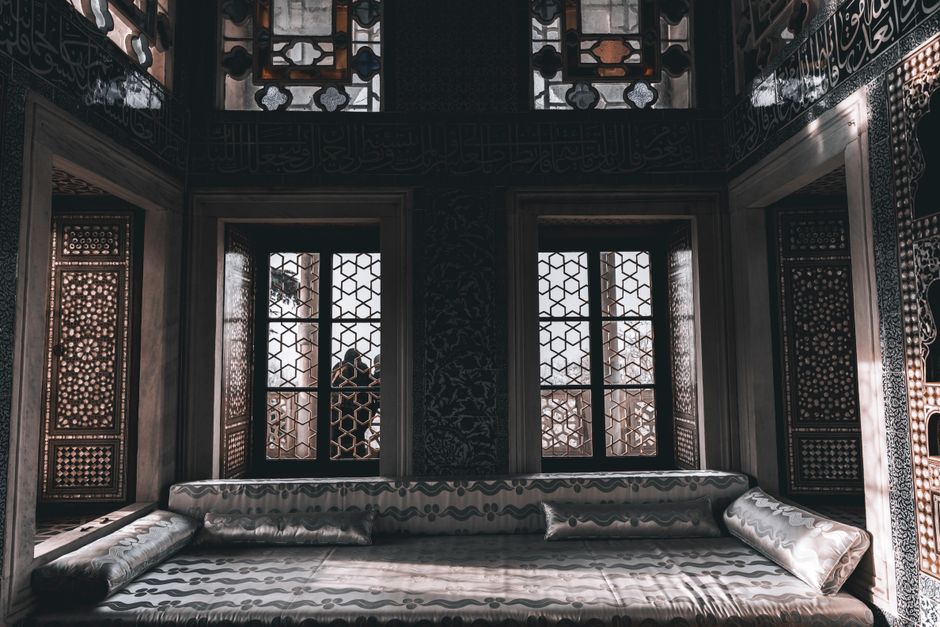
Before you commit to decorative window film, think through these practical factors.
Your Interior Design Style
Choose a film pattern and finish that matches your home’s aesthetic. Frosted film works in any home, but geometric or nature-inspired patterns should complement your existing decor. Spend time looking at how different films look in different light.
Light Needs by Room
Think about how much light you actually want. Frosted film diffuses light beautifully, but one-way mirror film may be too dark if your windows don’t get strong, consistent sun. Test samples if possible.
Window Orientation
Windows facing different directions get different amounts of sun. A south or west-facing window gets much more heat than a north-facing one, so your privacy and light control needs might vary across rooms.
Existing Window Condition
Film adheres best to clean, smooth glass. Very old or textured glass might affect how the film looks. Older windows with deep seals also matter because the film edges need good adhesion.
How Professional Installation Makes a Difference
While decorative window film looks simple, professional installation is the difference between a flawless finish and a project you regret. Improper installation leads to bubbles, peeling edges, and uneven appearance.
Professional installers have the tools and experience to apply film smoothly, cut precise patterns around frames and sills, and handle difficult window shapes. They also know how to prep glass properly so adhesion lasts.
If you’re in the Peoria, Arizona area and ready to upgrade your home’s privacy and look, SunTrust Mobile Window Tinting specializes in professional decorative film installation for residential spaces. They’ll help you choose the right style for each room and handle the installation so it looks perfect.
Installation and Removal Process
Understanding what happens during installation and removal helps you make an informed decision.
Installation Steps
- Glass is thoroughly cleaned and dried.
- Film is cut to fit your window precisely.
- Adhesive backing is applied carefully, working out air bubbles as you go.
- Edges are sealed and trimmed for a clean, professional look.
- Film cures for a few hours before you use the window normally.
Removal
If you ever want to change the design or remove film entirely, professional removal takes it off cleanly without damaging the glass. DIY removal is possible but risks scratching the glass or leaving adhesive residue.
Decorative Window Film Maintenance
One reason decorative film is so practical is that maintenance is minimal. Here’s all you need to do:
- Wait at least 48 hours after installation before cleaning the window.
- Use a soft cloth and mild soap with water to clean.
- Avoid abrasive scrubbers or harsh chemicals that can damage the film surface.
- Clean from the center outward to avoid trapping moisture at edges.
That’s it. The film stays protected, and your windows stay looking fresh year after year.
Combining Film with Other Window Solutions

Decorative film works well alongside other window treatments, even though it reduces your need for them.
Many people combine frosted film with sheer curtains for layers of privacy and light control. Others pair one-way mirror film with blackout shades in bedrooms for flexible day and night options. SunTrust Mobile Window Tinting can advise on how different films work with your existing setup.
Cost and Value Considerations
Decorative window film is one of the most affordable privacy and comfort upgrades you can make. Compared to window replacement, new blinds, or curtain systems, film costs less and lasts longer without the maintenance hassle.
The real value is in what you gain: privacy, UV protection, glare reduction, a design upgrade, and energy savings all in one solution. That combination is hard to beat.
Getting Started with Your Home Privacy Solution
Ready to explore decorative window film for your home? Start by identifying which rooms need privacy most. Bathrooms and bedrooms are natural starting points, but any room with privacy concerns or excessive glare is a candidate.
Next, think about the style that fits your home. Frosted film is the safest choice and works everywhere. Geometric and patterned films add character if your design allows it. One-way mirror film solves specific daytime privacy issues.
If you’re in the Phoenix metro area and want professional installation from someone who knows residential window film inside and out, contact SunTrust Mobile Window Tinting to discuss your project. They serve the Peoria area and can visit your home to assess your windows and help you choose the right film for each space.
Frequently Asked Questions
Does decorative window film block all UV rays?
Decorative window film blocks a significant portion of UV rays, which protects your furniture and floors from fading. The exact percentage depends on the film type and manufacturer specifications. Most quality decorative films block 99% of harmful UV rays, though the film’s primary function is privacy, not sun protection like solar-control films provide.
Can decorative window film be removed without damaging the glass?
Yes, professional removal is clean and safe. The film peels away without damaging glass when removed properly. DIY removal is riskier because you might scratch the glass or leave adhesive residue. Professional installers have the right tools to remove film smoothly if you ever want to change it.
Will decorative window film make my room darker?
It depends on the film type. Frosted film diffuses light but doesn’t make the room significantly darker. One-way mirror film may reduce light more noticeably. Geometric and patterned films have varying transparency depending on the design. During consultation, ask to see samples in your actual lighting conditions to gauge how each style affects brightness.
How long does decorative window film last?
Quality decorative film lasts 10-15 years or longer with proper care. It doesn’t fade, peel, or degrade quickly like cheaper films might. Durability depends on window exposure, climate, and maintenance. Films on windows that get intense afternoon sun may show wear sooner than those on north-facing windows.