Your car’s window tint isn’t maintenance-free, but keeping it in great shape is actually pretty simple. The key to maintaining window tinting on cars comes down to three things: giving it time to cure properly after installation, cleaning it the right way, and protecting it from damage. Do those three things consistently, and your tint will last for years.
The First Week: Let Your Tint Cure
This is the most important part of window tint maintenance, and honestly, it’s the easiest. After SunTrust Mobile Window Tinting installs your tint, you need to leave your windows up for 3 to 5 days. Don’t roll them down. Don’t crack them open for “just a second.” Just leave them closed.
Related: UV Protection Window Tinting Services: Complete Guide
Related: Window Tinting for Vehicles in Hot Climates: A Complete Guide
Related: Best Window Tint Darkness Levels for Vehicles: A Complete Guide
Related: Mobile Window Tinting in Peoria, Arizona: Complete Guide
Related: Mobile Window Tinting Appointment Booking: A Step-by-Step Guide
Why? The tint is bonding to the glass during this time. Rolling your windows up and down during curing can create bubbles, wrinkles, or spots where the film doesn’t stick properly. If you live somewhere humid, add another day or two to this timeline. Moisture slows the curing process.
During the curing period, you might notice a hazy appearance or small water bubbles under the tint. This is completely normal. It goes away as the film fully bonds and dries out.
Cleaning Your Tinted Windows: Do It Right
Once your tint is cured, keeping it clean is straightforward. But you’ve got to use the right tools and products.
What to use: Only mild, ammonia-free cleansers paired with soft microfiber cloths or non-abrasive sponges. That’s it. Microfiber is your best friend here because it won’t scratch the film. Invest in a few quality microfiber cloths and keep them in your car.
What to avoid: Never use ammonia-based cleaners (like traditional Windex), harsh chemicals, acetone, or anything abrasive. These will damage the tint film and can cause discoloration or peeling. Window cleaner brands often use ammonia specifically to cut through grime, but that same ingredient breaks down window tint. Read the label.
A simple solution of warm water and a tiny bit of mild dish soap works perfectly. Spray it on, wipe gently with your microfiber cloth, and you’re done. This method is effective and safe for your tint film.
Establish a Regular Cleaning Schedule
How often you clean depends on where you live and how much you drive. In dusty areas, you might clean your windows weekly. In humid climates, soap scum builds up faster. In cleaner environments, every two weeks might be enough.
The goal is simple: don’t let dirt, pollen, or grime sit on your tinted windows for weeks. Regular cleaning keeps your tint looking sharp and prevents buildup that’s harder to remove later.
One pro tip: clean your tinted windows in the shade or on a cloudy day if possible. If you clean in direct sunlight, the heat can cause water to dry too quickly and leave streaks or residue on the film.
Protect Your Tint from Damage
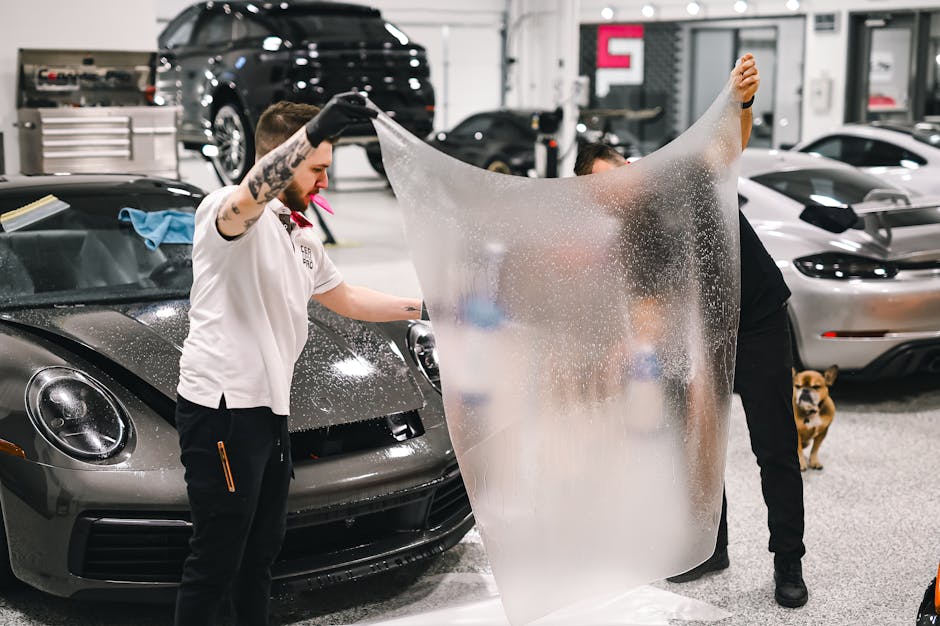
Window tint is durable, but it’s not indestructible. A few daily habits go a long way.
Watch out for sharp objects. When you’re loading cargo in your trunk or back seat, don’t let sharp corners or edges press against the windows. A single scratch or puncture in the film is hard to fix without professional removal and reapplication.
Be careful with window regulators. If your windows have manual cranks or motors that sometimes stick, resist the urge to force them. Rough operation can stress the tint film and cause peeling or bubbling at the edges.
Park smart when you can. Extended direct UV exposure does fade tint over time, though quality film is designed to resist this. When possible, park in shade or a garage. This also keeps your car cooler and extends the life of your interior.
Long-Term Maintenance Beyond the First Month
After your tint is fully cured and you’ve established a cleaning routine, long-term maintenance is mostly hands-off. But there are a few things to watch for.
Inspect the edges. Over time, the edges where tint meets the rubber trim can start to peel, especially on older vehicles or if you live in extreme heat or cold. Catch this early. If you notice peeling, professional reapplication is your best option rather than trying to glue it back yourself.
Watch for bubbles or clouding. Small bubbles or a hazy appearance months after installation usually means the film wasn’t installed correctly or there was a problem during curing. This is rare with professional installation from SunTrust Mobile Window Tinting, but if it happens, contact the installer. Most reputable shops warranty their work.
Adapt to seasonal changes. In winter, tint can become stiffer in extreme cold. In summer, it may be more flexible. This is normal. Just continue using your regular cleaning routine and avoid forcing windows up or down.
What About Professional Cleaning?
Your local car wash can clean tinted windows if they’re trained to use ammonia-free products. But honestly? Doing it yourself with a microfiber cloth and mild soap is safer and saves money. You have complete control over the method, and you’ll catch any small damage early.
If you’re paranoid about doing it wrong, call the place that installed your tint. They can show you exactly what products and techniques work best for your specific film.
Common Maintenance Mistakes to Avoid

Rolling windows down too early: We said this, but it bears repeating. The first week is critical.
Using the wrong cleaning products: One spray of ammonia-based cleaner won’t destroy your tint immediately, but repeated use will. Stick to ammonia-free options.
Scrubbing hard: Gentle wiping is all you need. Aggressive scrubbing can scratch or dull the film over time.
Ignoring the edges: Peeling usually starts at the edges. Check them during your regular cleaning.
Waiting too long between cleanups: Heavy buildup is harder to remove and can scratch the film when you finally clean it. Regular light cleaning beats occasional deep cleaning every time.
When to Call a Professional
Most window tint maintenance you can handle yourself. But some issues need professional help. If your tint is bubbling weeks after installation, peeling significantly, or showing signs of delamination (layers separating), contact the installer. Professional removal and reapplication is the solution.
Also, if you’re ever unsure about a cleaning product or method, reach out to a tint shop before you use it. Better safe than sorry. When you’re ready for professional automotive window tinting or need advice on caring for your tint, SunTrust Mobile Window Tinting serves the Peoria area and can answer any questions about maintaining your film.
The Bottom Line on Window Tint Maintenance
Maintaining your car’s window tint boils down to patience during the first week, gentle cleaning with the right products, and basic protection from damage. That’s literally it. Your tint will reward you with years of UV protection, reduced glare, and that sleek look you paid for.
The investment in a quality microfiber cloth and ammonia-free cleaner is tiny compared to the cost of retinting your windows. Treat your tint right, and it’ll keep your car cooler, protect your skin, and look great for a decade or more. Tint also blocks much of the UV light that reaches you during daily driving. So this isn’t just about looks or comfort. It’s about protecting your health too.
How long does it take for car window tint to fully cure?
Window tint typically takes 3 to 5 days to fully cure under normal conditions. If you live in a humid climate, add another day or two. During curing, avoid rolling your windows down or up, as this can cause bubbles or wrinkles in the film.
Can I use regular window cleaner on tinted windows?
Most regular window cleaners contain ammonia, which damages window tint film. Use only ammonia-free cleansers paired with soft microfiber cloths. A simple mix of warm water and mild dish soap works perfectly and is completely safe.
What should I do if my window tint starts to peel?
Peeling usually starts at the edges where tint meets the rubber trim. If you notice peeling, don’t try to glue it back yourself. Contact the shop that installed your tint for professional reapplication. Most reputable installers offer warranties that cover peeling issues.
Is it normal to see bubbles under my tint right after installation?
Yes, small water bubbles and a hazy appearance are completely normal during the first few days of curing. They disappear as the film dries and bonds to the glass. If bubbles persist after a week or two, contact your installer.
Leave a Reply