
Window tint for home heat rejection is one of the smartest ways to fight Arizona heat without replacing your windows or cranking up the AC. Here’s the thing: heat-control window films work by blocking solar energy before it enters your home, which means less work for your air conditioning system and real savings on your monthly bill.
How Window Tint Actually Rejects Heat
Most people think window tint is just about blocking light or adding privacy. That’s part of it, but heat rejection is where the real power comes in.
Related: Decorative Window Tint Privacy Film: Style & Privacy Guide
Related: Glare Reduction Window Film for Home Offices: A Guide
Related: Decorative Window Film for Home Privacy: A Complete Guide
Related: Window Tint Installation for Peoria Business Owners: A Complete Guide
Related: Best Window Tint Darkness Levels for Vehicles: A Complete Guide
Related: UV Protection Window Tinting Services: Complete Guide
Related: How to Maintain Window Tinting on Cars: Complete Guide
Related: Best Window Tint for Commercial Buildings: Heat & Security
Modern window films use technology that blocks the sun’s infrared radiation. That’s the invisible part of sunlight that carries heat. When you apply a quality heat-rejection film to your windows, it reflects and absorbs infrared energy before it converts to heat inside your home.
The key measurement isn’t just the darkness (VLT, or Visible Light Transmission). What matters more is the film’s SSER (Solar Energy Rejection Spectrum) rating. A film with a high SSER percentage actually stops more solar heat from entering, even if it doesn’t look super dark.
Think of it like this: you want a film that’s transparent enough to see through but tough enough to block the sun’s energy. That balance is what makes heat rejection effective.
Types of Window Tint Films for Heat Rejection
Not all window films are created equal. If you’re specifically hunting for heat rejection, you’ve got a few solid options:
- Nano-ceramic films: These are the current gold standard for heat rejection. They use microscopic ceramic particles to block infrared and UV rays without relying on reflective metal. Best part? They don’t interfere with your phone signal or radio like older metallic films do.
- Hybrid films: A mix of dye and metal particles that offer decent heat rejection at a mid-range price point. They work well for most Arizona homes.
- Dyed films: The most affordable option, but they focus more on UV blocking and privacy than serious heat rejection. Good if budget is your main concern.
- Non-reflective options: If your HOA restricts reflective films, non-reflective ceramic films let you reject heat without the mirror-like appearance.
For maximum heat rejection performance, nano-ceramic films consistently outperform the others. They handle Arizona’s intense sun better than cheaper alternatives.
Real Benefits of Installing Heat-Rejection Window Tint
Let’s talk actual results, not just theory.
Lower AC costs: When your windows stop letting in as much solar heat, your air conditioning doesn’t have to work as hard. Most homeowners see noticeable savings during peak summer months. The exact number depends on your home’s size, window area, and current AC efficiency, but expect anywhere from 10-30% reduction in cooling costs on hot-weather months.
More comfort: You know that feeling of sitting near a window on a sunny day and getting blasted by heat? Tinted windows eliminate that. Your home stays more evenly cooled throughout the day.
UV protection: Heat-rejection films also block up to 99% of UV rays. That protects your furniture, flooring, and artwork from fading. Bonus: it’s also better for your skin.
Reduced glare: Excessive glare from windows makes it hard to use computers, watch TV, or just relax. Tinted windows cut glare dramatically.
Enhanced privacy: Depending on the film darkness, your windows become harder to see through from outside, giving you more privacy without closing blinds.
Professional Installation vs. DIY

Here’s where things matter: installation quality directly affects how well your tint performs.
DIY tint kits are available for purchase if you want to try it yourself. They’re cheaper upfront, but the learning curve is steep. Bubbles, wrinkles, peeling edges, and improper film alignment are common mistakes. Once you mess up the installation, the film either won’t perform as promised or you’re peeling it off and starting over.
Professional installation, by contrast, comes with the right equipment, experience, and guarantees. SunTrust Mobile Window Tinting uses precision tools and professional-grade films that deliver consistent results. A pro can also advise on which film is legal for your state (Arizona has specific VLT regulations for home windows) and which film is right for your windows and budget.
Think of it this way: a DIY install saves maybe $100-200 but risks a $1,000+ investment in film and labor if it goes wrong. Professional installation is the safer bet.
What to Expect: Cost and Timeline
Window tint pricing for homes typically ranges from $31.99 to $42.99 per unit, depending on the film quality and your window size. Your total cost depends on how many windows you’re tinting and which film you choose.
Installation usually takes a few hours to a full day, depending on the number of windows. Most professionals recommend scheduling the service during cooler months if possible, since you’ll want to keep windows closed for 24-48 hours after installation while the film sets.
Important Legal and HOA Considerations
Arizona law sets limits on window tint darkness for residential homes. You need to check local regulations before installation to make sure your film complies.
If you live in an HOA community, check your bylaws. Some HOAs restrict reflective films on the front of homes (they think it looks too industrial). The good news: non-reflective nano-ceramic films give you heat rejection without the shiny appearance, so you can comply with HOA rules and still get the cooling benefits.
When you work with a professional like SunTrust Mobile Window Tinting, they handle these compliance checks for you. That’s one less thing to worry about.
Maintenance and Longevity
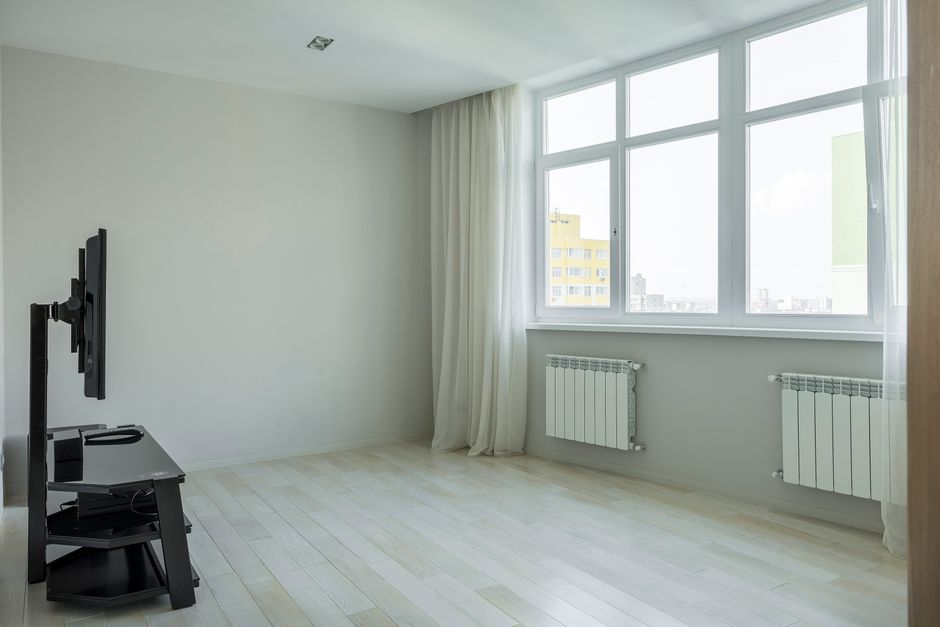
Quality window tint lasts a long time. Most professional-grade films hold up for 10-20 years, depending on sun exposure and maintenance.
Caring for tinted windows is simple: use a soft cloth and mild soap with water. Avoid abrasive cleaners or scratchy materials. That’s it. The film itself doesn’t require special upkeep.
How to Choose the Right Heat-Rejection Film for Your Home
Start by identifying your priorities. Are you chasing maximum heat rejection, or do you want a balance of heat rejection and affordability?
Next, assess your windows. South and west-facing windows get the most intense sun in Arizona, so those are prime candidates for premium nano-ceramic films. North and east-facing windows see less heat gain, so a hybrid or dyed film might be enough.
Check your climate and usage patterns. If you spend most of the day in one room, you might prioritize tinting those windows heavily. If you’re away during peak heat hours, the urgency drops a bit.
Finally, research local regulations and HOA rules before you commit. You don’t want to install tint and then discover it violates your covenants.
For a personalized assessment tailored to your specific windows, home layout, and energy goals, SunTrust Mobile Window Tinting offers free consultations and can recommend the exact film and installation approach that makes sense for you.
The Science Behind Solar Energy Rejection
If you’re curious about how this actually works at a technical level, here’s the breakdown:
Sunlight is made of visible light, infrared radiation (heat), and UV rays. Standard clear glass blocks almost none of these. Window tint films contain particles or coatings that either reflect or absorb this energy.
Reflective films bounce some energy back outside. Absorbing films take in the energy and either dissipate it or transmit it differently. Advanced nano-ceramic films do both efficiently without the drawbacks of older metallic films.
The SSER percentage tells you how much of the sun’s total energy the film blocks. A film with 70% SSER stops 70% of solar energy. The remaining 30% either passes through (in balanced films) or gets safely dissipated. That’s why high-quality films feel cooler even when they’re not super dark.
If you want to dive deeper into the science, the U.S. Department of Energy has solid resources on how window treatments affect home energy use.
Comparing Window Tint to Other Cooling Solutions
You might be wondering: is tint better than upgrading my AC unit, or installing solar screens, or just using blinds more?
Here’s the honest take: they’re not mutually exclusive. Window tint is one tool in your heat-management toolkit.
Tint is cheaper and faster than replacing windows or upgrading your AC. It works 24/7 without you having to adjust anything. Solar screens are effective but visible from outside. Blinds and shades require manual effort and don’t block heat as thoroughly. A combination approach (tint plus smart blinds in peak-sun rooms) gives you maximum control.
For pure energy savings and convenience, though, window tint for heat rejection is hard to beat.
Getting Started with Your Home Window Tint Project
If you’re ready to stop battling Arizona heat and start lowering your AC bill, here’s your action plan:
- Assess your windows: Which rooms get the most sun? Which windows feel hottest in summer? Prioritize those.
- Research film options: Decide between nano-ceramic, hybrid, or dyed films based on your budget and heat-rejection goals.
- Check regulations: Look up Arizona window tint laws and your HOA rules if applicable.
- Get a professional quote: Contact a local installer to discuss your project, film options, and timeline. Ask about non-reflective options if HOA is a concern.
- Schedule installation: Pick a time that works for you, ideally when you can keep windows closed for a day or two.
- Maintain your tint: Use soft cloths and mild soap to clean. Avoid scratching the film.
The whole process from consultation to installation usually takes one to two weeks.
How much can I save on AC costs with window tint?
The savings depend on your current AC usage, local electricity rates, and how much of your home you tint. Most homeowners report 10-30% lower cooling bills during hot months. A professional installer can estimate your potential savings based on your specific situation. The payback period is usually 2-5 years, depending on how much you spend and how much your AC runs.
Will window tint make my home look dark inside?
Not if you choose the right film. Nano-ceramic and hybrid films offer serious heat rejection without making your home feel like a cave. You can see outside clearly, and natural light still enters. The tint is noticeable but subtle. If you prefer even lighter films, dyed films are nearly invisible but offer less heat rejection.
How long does professional window tint installation take?
Most residential tinting jobs take 4-8 hours, depending on the number of windows. You need to keep windows closed for 24-48 hours afterward while the film cures. That’s the only downtime required.
Can I tint windows if my HOA restricts reflective film?
Yes. Non-reflective nano-ceramic films provide excellent heat rejection without the shiny, mirror-like appearance that HOAs often object to. These films look subtle and comply with most HOA guidelines while still delivering serious cooling benefits. Always confirm with your HOA before installing, but this is usually a viable solution.