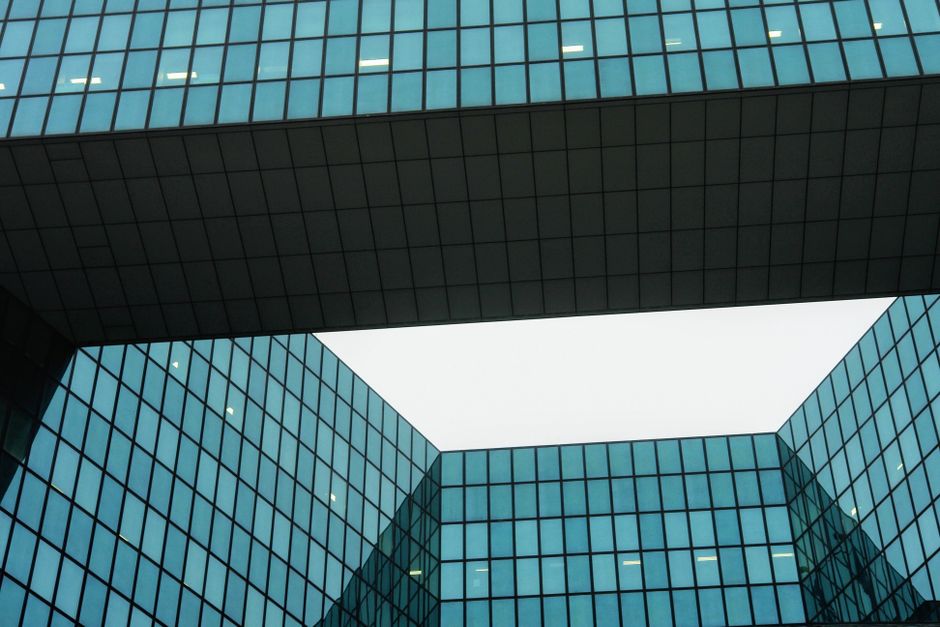
If you’re managing an office building near Peoria, you’ve probably noticed the Arizona heat creeping in through those big windows. That’s not just uncomfortable—it’s expensive. Window tinting for office buildings near Peoria is a practical solution that reduces interior heat, cuts cooling costs, and improves how your space feels without any major renovations.
The best part? You don’t have to replace windows or overhaul your HVAC system. Professional window film does the heavy lifting by blocking solar heat before it even enters the building. Let’s break down what this solution actually does and how to make it work for your office.
Why Office Buildings in Peoria Need Window Tinting
Peoria sits in a climate where the sun beats down hard, especially from spring through fall. Your office windows are basically letting all that heat—and the cooling costs that come with it—straight inside.
Related: Car Window Tinting Warranty & Durability: What You Need to Know
Related: How to Maintain Window Tinting on Cars: Complete Guide
Related: Window Tinting for Vehicles in Hot Climates: A Complete Guide
Window tinting creates a barrier. Modern commercial-grade window film, including advanced titanium nitride options available in 2026, reflects and absorbs solar energy before it turns your office into a greenhouse. This means your air conditioning doesn’t have to work as hard, your employees stay more comfortable, and your utility bills drop.
There’s also a privacy and security angle. Tinted windows make it harder for people outside to see into your office, protecting sensitive work and equipment. Plus, certain films add a layer of safety by holding glass together if it breaks—useful if you’re in a ground-floor space or near heavy traffic.
When you work with SunTrust Mobile Window Tinting, you’re getting expertise in sizing up what your specific building needs, from small storefronts to large multi-window offices.
Related: Mobile Window Tinting in Glendale, AZ: What to Know
How Window Tinting for Office Buildings Works
Window tinting isn’t some magical coating—it’s a thin layer of film applied directly to the inside of your glass. Here’s the process:
- Assessment: A technician evaluates your windows, building orientation, and sun exposure patterns. South-facing windows get hit hardest in Peoria, so they may need more aggressive tinting.
- Film Selection: You’ll choose from different tint levels (lighter for aesthetics, darker for maximum heat blocking). Commercial buildings often use medium to dark tints because function matters more than appearance.
- Preparation: The windows get cleaned thoroughly. Any dirt or residue left behind can create bubbles or adhesion problems.
- Application: Technicians carefully measure and cut the film, apply a solution to the glass, position the film, and smooth out air bubbles. This is precision work—rushing it causes wrinkles and imperfections.
- Curing: The film needs time to fully bond to the glass, usually 24-48 hours. During this window, keep the glass dry and avoid adjusting blinds or pulling on the film.
The whole process scales up depending on your office size. A small storefront might take a few hours. A large commercial building with dozens of windows could take a day or more, which is why professional mobile window tinting services schedule these projects carefully to minimize business disruption.
Related: How to Find a Professional Window Tinting Contractor
Related: Mobile Window Tinting for Business Buildings in Phoenix: Cost, Benefits & Process
Related: Commercial Window Tinting Near Me: Find Local Installers
Energy Savings and Comfort Benefits
Let’s talk numbers. Window tinting doesn’t just feel good—it measurably reduces the heat entering your office.
Quality window film blocks a significant portion of solar heat, which means your cooling system doesn’t cycle as aggressively. Over a year, especially during Peoria’s brutal summer months, this adds up. Many office managers report noticeable drops in energy bills within the first month of tinting.
Comfort is the hidden benefit. Employees sitting near untinted windows deal with glare on their screens and uneven temperature zones—some areas stay cool while spots near windows stay hot. Tinted windows distribute heat more evenly, reduce screen glare, and make workstations more pleasant. Happy employees are productive employees.
According to the U.S. Department of Energy, window treatments like tinting can reduce solar heat gain, making them one of the most cost-effective building upgrades available.
Choosing the Right Tint Level for Your Office

Not all window tints are the same. Here’s what you need to consider:
- Light Tint (20-35% darkness): Blocks heat and glare without making your space feel dark. Good for client-facing offices or lobbies where natural light matters.
- Medium Tint (40-55% darkness): Balances heat reduction with visibility. Works for most office layouts and doesn’t feel cave-like.
- Dark Tint (60%+ darkness): Maximum heat and privacy. Best for server rooms, data centers, or offices where sun exposure is intense.
Window orientation matters too. East-facing windows get morning heat, west-facing get afternoon heat (the worst), and north-facing get minimal sun. A good installer will recommend different tint levels for different sides of your building.
Installation Timeline and What to Expect
Most office tinting projects happen quickly. Small to medium buildings can be done in one business day. Larger projects might span two days, usually scheduled early morning or after hours to avoid interrupting your team.
You’ll need to:
- Clear windows of any obstructions (desks, filing cabinets, plants)
- Keep the space accessible for technicians
- Avoid touching or cleaning the film for 48 hours after application
- Not open or close windows aggressively during the curing period
That’s it. The film comes with a lifetime warranty against peeling or delamination when installed correctly, so you’re covered long-term.
Maintenance and Long-Term Performance
Window tint requires minimal upkeep. After the initial curing period, you can clean the glass normally using mild soap and water. Avoid abrasive cleaners or scouring pads—they can scratch the film over time.
Quality film lasts 10-20+ years depending on sun exposure and film quality. It gradually fades slightly, but doesn’t crack or bubble if installed correctly. When you’re ready for removal or replacement, a professional can peel it off cleanly without damaging the glass.
If you’re serious about getting the right tint installed on your Peoria office, start by consulting with a company that understands commercial buildings. SunTrust Mobile Window Tinting specializes in exactly this kind of work—evaluating your building’s specific needs and delivering professional installation that actually saves you money month after month.
Common Questions About Office Window Tinting

Does window tinting block UV rays?
Yes. Quality window film blocks 99% of UV radiation, which protects your furniture, flooring, and artwork from fading. It also reduces skin cancer risk for employees who spend time near windows—a genuine health benefit that often gets overlooked.
Will tinting make my office too dark?
Not if you choose the right tint level. Light to medium tints reduce heat without making spaces feel gloomy. Talk to your installer about balancing heat reduction with the natural light you actually need.
Can I tint just certain windows?
Absolutely. Many offices tint west-facing windows (highest heat) while leaving north-facing windows untinted to preserve natural light. You don’t have to commit to the whole building at once.
How much does office window tinting cost?
Pricing depends on window size, film quality, and installation complexity. Small storefronts might cost a few hundred dollars. Large commercial buildings could be several thousand. The best move is getting a free estimate from a local provider who can assess your specific space.