Category: Home Services & Trades

  • Mobile Window Tinting Appointment Booking: A Step-by-Step Guide

    Mobile Window Tinting Appointment Booking: A Step-by-Step Guide

    Booking a mobile window tinting appointment doesn’t have to be confusing or time-consuming. The mobile window tinting appointment booking process is designed to be straightforward: you contact a provider, get a free estimate, pick your preferred time slot, and the technician comes to you. Most appointments take 45 minutes to an hour, and the whole process from first contact to completed installation can happen within a week or two.

    Step 1: Reach Out and Request a Free Quote

    The first step in the mobile window tinting appointment booking process is contacting a local provider. Most reputable window tinting companies offer complimentary quotes because they want to understand your specific needs before committing to a price.

    Related: Mobile Window Tinting in Glendale, AZ: What to Know

    You have a few ways to get in touch:

    • Phone call: Call the company directly and speak to someone right away. This is the fastest way to ask quick questions and get scheduled.
    • Online contact form: Fill out a form on their website with details about your property (home, office, or vehicle), the windows you want tinted, and your preferred timeframe.
    • Direct online booking: Some providers let you self-schedule appointments online, though many still prefer to send you a quote first before confirming a time.

    When you reach out, have basic information ready: Are you tinting residential windows, commercial storefront glass, or vehicle windows? How many windows are you looking to tint? What’s your main goal—reducing heat, blocking UV rays, improving privacy, or enhancing aesthetics?

    If you’re in the Peoria, Arizona area and ready to explore your tinting options, SunTrust Mobile Window Tinting can walk you through the entire process with no pressure.

    Related: Mobile Window Tinting in Peoria, Arizona: Complete Guide

    Related: Home Window Tinting in Sun City, AZ: Complete Guide

    Related: Car Window Tinting in Avondale, AZ: Complete Guide

    Related: Window Tinting for Vehicles in Hot Climates: A Complete Guide

    Related: How to Maintain Window Tinting on Cars: Complete Guide

    Related: How to Choose Mobile Window Tinting for Your Phoenix Home: SunTrust Installation Guide

    Related: Residential Window Tinting in Surprise, AZ: Benefits & Installation Guide

    Step 2: Understand What the Free Quote Includes

    During the quote phase, the technician or sales rep will ask detailed questions to give you an accurate estimate. This isn’t a sales pitch—it’s genuine assessment.

    Here’s what typically happens:

    • Window measurements: They’ll measure the windows you want tinted to calculate square footage and material costs.
    • Film options discussion: You’ll learn about different tint levels (light, medium, dark), film types (solar control, decorative, privacy), and any add-ons like ceramic film or anti-graffiti coating.
    • Heat and UV blocking details: A good provider explains how different films perform—like how much solar heat they reject and what UV protection you’ll get.
    • Cost breakdown: You’ll receive an itemized estimate that covers materials, labor, and any extra services like mobile service fees (though many providers waive this).
    • Timeline: They’ll tell you how long installation takes and when they have availability.

    The quote is typically valid for 30 days, so you have time to think it over without pressure.

    Step 3: Review Your Quote and Decide on Film Options

    Once you have your estimate, take time to review it. Don’t rush into booking just because you got a quote.

    Consider these factors:

    • Your primary goal: Are you mainly trying to reduce energy costs, cut down glare, increase privacy, or improve curb appeal? Different films excel at different things.
    • Tint darkness: Check local regulations—some areas have legal limits on how dark residential or automotive tints can be. Window tinting for heat reduction usually doesn’t need to be extremely dark to be effective.
    • Warranty: Ask about warranty coverage on the film and workmanship. Reputable providers typically offer 5-10 year warranties.
    • Maintenance requirements: Some films are more forgiving than others during the curing process. Ceramic films, for example, often have fewer curing restrictions than standard dyed films.

    If you have questions about which film type makes sense for your situation, don’t hesitate to call back and ask. That’s what the quote phase is for.

    Step 4: Confirm Your Appointment Time and Prepare

    mobile window tinting appointment booking process

    Once you’ve decided to move forward, you’ll lock in your appointment. This is where the mobile window tinting appointment booking process gets personal—the technician will come to your location.

    Here’s what to do to prepare:

    • Clear the area: Make sure the windows being tinted are accessible. Move furniture, decorations, or blinds if needed.
    • Inform household members or staff: Let people know the technician will be there. The process is non-intrusive, but folks should expect some activity and temporary window coverage during installation.
    • Confirm the date and time: Get this in writing via email or text. Know whether the appointment is in the morning, afternoon, or a specific time window.
    • Ask about payment: Clarify when payment is due—usually on the day of installation, after the work is complete and you’ve inspected it.
    • Weather considerations: Ask if weather might affect scheduling. Most tinting is done in dry conditions, so heavy rain might cause a reschedule.

    Keeping communication open is huge here. If anything changes on your end—a family emergency, a scheduling conflict, or even weather concerns—let the provider know as soon as possible.

    Step 5: The Installation Day

    Installation day is straightforward. The technician will arrive within your scheduled window, unload equipment, and get to work.

    What you should know:

    • Typical duration: Most residential or vehicle tinting jobs take 45 minutes to 1 hour per window or vehicle.
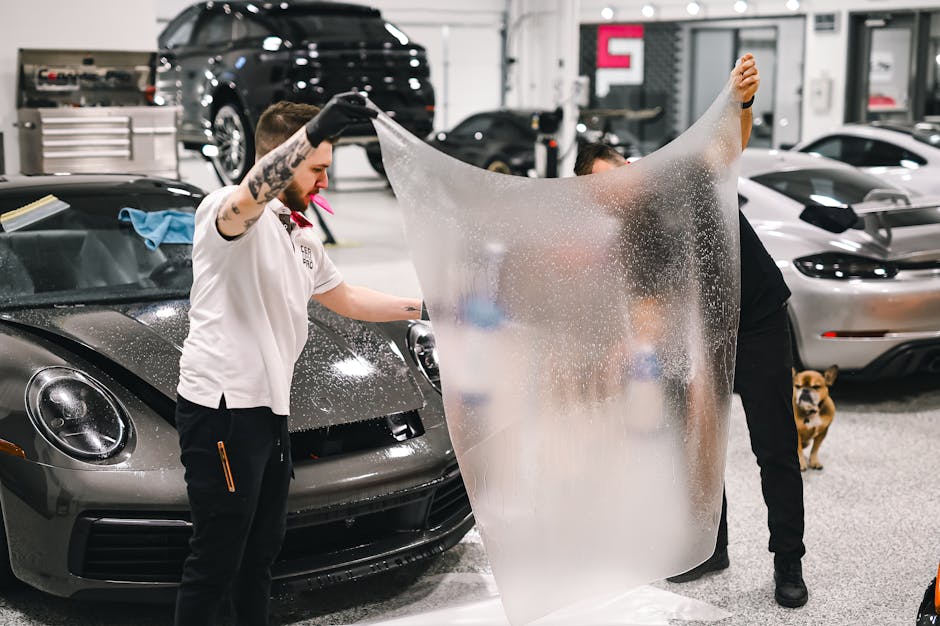
    • Process: The technician will clean the window glass thoroughly, apply the film carefully, and smooth out air bubbles. This requires precision and skill.
    • Curing time: Depending on the film type, tint will need time to cure fully—usually 3-7 days. During this period, avoid rolling down car windows or opening windows in your home.
    • Inspection: Before the technician leaves, inspect the work. The film should be smooth, evenly applied, and free of bubbles or creases.

    When you’re ready to move forward with an appointment, SunTrust Mobile Window Tinting handles the entire process professionally—from your initial quote through post-installation follow-up.

    Common Booking Mistakes to Avoid

    Learning what NOT to do can save you time and frustration.

    Don’t skip the quote phase: Some people try to book instantly online without talking to anyone. A quote conversation helps you make the right film choice and gets your specific needs on record.

    Don’t assume all providers are the same: Price matters, but experience and warranty coverage matter more. A super cheap quote might mean lower-quality film or rushed installation.

    Don’t ignore communication requests: If the provider asks about your window type or location details during booking, answer thoroughly. This helps them prepare and arrive with the right materials.

    Don’t schedule if the weather is uncertain: If a storm is forecast for your appointment day, reschedule. Tinting in humidity or rain can compromise film adhesion.

    Don’t neglect post-installation care: Follow curing instructions carefully. Opening windows or rolling them down too early can peel the film or create bubbles that are hard to fix.

    Why Responsiveness Matters When Booking

    mobile window tinting appointment booking process

    One thing that separates good tinting providers from great ones is how quickly they respond to inquiries. Responsive communication is consistently rated as a top factor in customer satisfaction for home services.

    When you submit a quote request or call, expect to hear back within a few hours on the same business day, or within 24 hours at the latest. If a company takes 3-5 days to respond, that’s a red flag about their service standards.

    Responsiveness during the booking process usually predicts responsiveness after you’ve paid—so pay attention to how quickly they reply to your initial inquiry.

    Mobile Service: The Real Convenience Factor

    One of the biggest perks of choosing mobile window tinting is that the technician comes to you. You don’t drive anywhere, and you don’t have to take time off to visit a shop.

    Some mobile providers even offer free pick-up and delivery for vehicle tinting, which is a genuine value-add. Check whether your provider includes mobile service fees in the quote or waives them entirely.

    This convenience is especially valuable for homeowners with large windows, commercial properties with multiple storefronts, or fleet vehicle owners who want multiple cars tinted without coordinating separate trips.

    Popular Add-Ons to Consider During Booking

    Beyond standard window tinting, many providers offer complementary services worth asking about during your quote:

    • Ceramic film installation: A premium option that blocks more heat and UV than standard film and lasts longer.
    • Anti-graffiti coating: Useful for commercial properties in high-traffic areas. It protects glass from scratching and vandalism.
    • Privacy film: If you want frosted or decorative tinting for bathrooms, offices, or storefronts.
    • UV-blocking only (no tint): For people who want protection without the darkened appearance.

    Ask about these during your quote phase. Bundling services sometimes qualifies you for discounts.

    How long does a mobile window tinting appointment take?

    Most residential window tinting jobs take 45 minutes to 1 hour per window or vehicle. Commercial projects with multiple large windows might take 2-3 hours depending on complexity. The technician will give you a specific time estimate during your quote phase. After installation, allow 3-7 days for the film to fully cure before rolling down windows or opening them.

    Can I book online or do I have to call?

    Both options are available with most providers. Some accept online booking through their website, while others prefer to send you a free quote first and have you confirm via phone or email. Calling is often faster if you need to schedule within a few days. Online booking works well if you’re flexible with timing and don’t have urgent questions. Check the provider’s website to see which method they recommend.

    What if I need to reschedule my tinting appointment?

    Life happens. Most reputable providers allow you to reschedule with at least 24-48 hours notice without penalty. Some charge a rescheduling fee if you cancel with less notice. Always clarify the cancellation and rescheduling policy before confirming your appointment. Keep communication clear—if you need to move your date, contact the provider as soon as you know, rather than waiting until the day before.

    Do I need to be home during the entire appointment?

    Yes, you should be present during installation. You’ll need to let the technician inside, answer any last-minute questions, and inspect the completed work before they leave. Being there also lets you confirm which windows were tinted and that everything meets your expectations. For vehicle tinting, you’ll obviously need to be present with your car. Plan to be available for the full appointment duration plus a little buffer time.
  • Ceramic Window Tint vs Dyed Film: Which Is Better?

    Ceramic Window Tint vs Dyed Film: Which Is Better?

    If you’re shopping for window tint, you’ve probably seen “ceramic” and “dyed film” thrown around like they’re the same thing. They’re not. Here’s the honest breakdown: ceramic window tint performs significantly better than dyed film, but it costs more upfront. Whether that trade-off makes sense for you depends on where you live, how much sun your windows get, and how long you plan to stay put.

    Let’s walk through the actual differences so you can make the right call for your home or business.

    Heat Rejection: Ceramic Wins by a Lot

    This is the biggest performance gap between the two films.

    Related: Ceramic Tint vs Regular Tint: Performance Comparison

    Dyed window film works by absorbing solar heat. It has a layer of colored dye that catches UV rays and converts them to heat, which then dissipates. That sounds fine in theory, but there’s a problem: dyed film absorbs so much heat that it can eventually crack or bubble, especially in extreme Arizona heat. It also doesn’t reject as much heat before it gets absorbed.

    Ceramic film uses a completely different mechanism. Instead of absorbing heat, it reflects it. Nano-ceramic particles in the film bounce solar energy back before it passes through your window. On a scorching Phoenix afternoon, the difference is noticeable. Your air conditioning won’t work as hard, and your home or car stays noticeably cooler.

    Real talk: if you’re in the Peoria, Arizona area or anywhere in the Southwest, ceramic film pays for itself through lower cooling costs over time. SunTrust Mobile Window Tinting installs both types, but we see customers get the biggest comfort gains with ceramic, especially on south and west-facing windows.

    UV Protection and Fading

    Both ceramic and dyed films block UV rays. That’s good news for protecting your furniture, flooring, and skin from sun damage.

    The catch: dyed film itself fades over time. Within 3-5 years in sunny climates, you might notice the tint color looking washed out or discolored. Ceramic film resists this fading because it doesn’t rely on dye to do its job. The nano-ceramic particles are stable and don’t degrade from UV exposure.

    If you want consistent appearance and performance for 10+ years, ceramic is the move. Dyed film will still protect your interior from UV, but the film’s appearance won’t hold up as well.

    Clarity and Visibility

    Dyed film can look hazy or dark when viewed from certain angles, especially in darker shades. This is because the dye scatters light slightly as it absorbs heat.

    Ceramic film maintains optical clarity. You can see through it without the haziness or color shift that dyed film sometimes produces. This matters a lot for home windows where you want clear views out, and it’s critical for vehicle windows where visibility is a safety issue.

    If your windows feel like they’re blocking your view of the outside, that’s a sign of lower-quality dyed film. Ceramic keeps things crystal clear.

    Electronics and Radio Interference

    ceramic window tint vs dyed film comparison

    Here’s something people don’t always think about: some dyed films can interfere with radio signals, cell phone reception, and other electronics.

    Related: Decorative Window Tint Privacy Film: Style & Privacy Guide

    Related: Best Window Tint Darkness Levels for Vehicles: A Complete Guide

    Related: Window Tint for Home Heat Rejection: Complete Guide

    Why? Because the dye layers can create a barrier that blocks certain frequencies. If you tint your car windows with cheap dyed film, you might notice your radio gets staticky or your cell service drops slightly.

    Ceramic film doesn’t do this. The nano-ceramic particles don’t interfere with radio waves or cell signals. Your electronics work normally.

    Durability and Longevity

    Dyed film typically lasts 3-5 years before it starts showing its age: fading, peeling, or discoloration.

    Ceramic film is rated for 10+ years. Some manufacturers warranty ceramic film for the lifetime of the vehicle or property. That’s a huge difference.

    If you’re buying tint for a house you plan to keep for 15 years, or a car you’re keeping long-term, ceramic is the better investment. If you’re renting or selling within a few years, dyed film might be the budget-friendly choice.

    Cost Comparison

    This is where dyed film has its one big advantage: price.

    Dyed window tint typically costs 30-40% less than ceramic film. For a typical car, you might pay $150-300 for dyed tint versus $300-600 for ceramic. For a house with multiple windows, that gap widens even more.

    But here’s the math that matters: ceramic film lasts roughly twice as long and performs significantly better. Over 10 years, the cost-per-year difference shrinks. Plus, better heat rejection means lower energy bills, which partially offsets the higher upfront cost.

    A professional window tinting company like SunTrust Mobile Window Tinting can calculate your actual payback timeline based on your local energy costs and sun exposure. For most residential customers in Arizona, ceramic film breaks even within 3-5 years.

    Performance Hierarchy: Where Each Film Fits

    ceramic window tint vs dyed film comparison

    If you want to understand the full spectrum, here’s how window films rank:

    • Top Tier: Ceramic Film. Best heat rejection, no fading, electronics-compatible, lasts 10+ years. Worth the premium for homes and vehicles you’re keeping long-term.
    • Mid Tier: Carbon Film. Better than dyed, not quite as good as ceramic. Good middle ground if budget is tight. Decent heat rejection, minimal fading, no electronics interference.
    • Base Tier: Dyed Film. Affordable, basic UV protection, but fades quickly and underperforms in extreme heat. Best for short-term applications or tight budgets.

    Which One Should You Choose?

    Pick ceramic film if:

    • You live in a hot climate (hello, Arizona).
    • You’re keeping your home or vehicle for 7+ years.
    • Energy savings matter to you.
    • You want the film to look the same in year 10 as it does today.

    Pick dyed film if:

    • You’re on a tight budget right now.
    • You’re renting or selling within a few years.
    • You just need basic UV protection on secondary windows.
    • You’re willing to replace the film in 5 years.

    Honestly? For the Peoria, Arizona area and the broader Phoenix metro region, ceramic film is the default recommendation. The heat here is brutal, and the ROI is solid. But everyone’s situation is different, and a certified installer can help you decide based on your specific windows and goals. When you’re ready to explore your options, SunTrust Mobile Window Tinting offers free consultations to help you choose the right film for your property.

    Key Takeaways

    • Ceramic film rejects more heat, resists fading, and lasts 10+ years. Dyed film absorbs heat, fades in 3-5 years, and costs less upfront.
    • Ceramic film maintains clarity and doesn’t interfere with electronics. Dyed film can sometimes appear hazy and block radio signals.
    • In hot climates, ceramic film’s energy savings often justify the higher initial cost within 3-5 years.
    • For long-term performance and aesthetics, ceramic is worth the investment. For temporary or budget-conscious applications, dyed film gets the job done.

    Frequently Asked Questions

    Does ceramic window tint really block more heat than dyed film?

    Yes. Ceramic film reflects solar heat before it enters your space, while dyed film absorbs it. In hot climates, you’ll notice a real difference in comfort and cooling costs. Testing shows ceramic film can block 50-70% of solar heat, while dyed film blocks roughly 20-40% depending on shade and quality.

    Will ceramic window tint fade over time?

    No, not significantly. Ceramic film is stable and resists fading for 10+ years. Dyed film typically fades noticeably within 3-5 years because the dye degrades under prolonged UV exposure. If you want the film to look the same a decade from now, ceramic is the choice.

    Can I use dyed window film on my car if I have a backup camera or radio?

    Dyed film *can* interfere with some electronics, though modern cars often have shielding that minimizes the issue. Ceramic film has no interference risk. If you have valuable electronics or want to be safe, ceramic is the better option. This is especially important for older vehicles where electronics aren’t as shielded.

    Is ceramic window tint worth the extra cost?

    For most homeowners and car owners in hot climates, yes. Ceramic film lasts roughly twice as long, performs significantly better, and delivers energy savings that offset the higher upfront price over time. The payback period is typically 3-5 years in Arizona. For rental properties or short-term situations, dyed film might make more sense budget-wise.

  • How to Maintain Window Tinting on Cars: Complete Guide

    How to Maintain Window Tinting on Cars: Complete Guide

    Your car’s window tint isn’t maintenance-free, but keeping it in great shape is actually pretty simple. The key to maintaining window tinting on cars comes down to three things: giving it time to cure properly after installation, cleaning it the right way, and protecting it from damage. Do those three things consistently, and your tint will last for years.

    The First Week: Let Your Tint Cure

    This is the most important part of window tint maintenance, and honestly, it’s the easiest. After SunTrust Mobile Window Tinting installs your tint, you need to leave your windows up for 3 to 5 days. Don’t roll them down. Don’t crack them open for “just a second.” Just leave them closed.

    Related: UV Protection Window Tinting Services: Complete Guide

    Related: Home Window Tinting in Sun City, AZ: Complete Guide

    Related: Car Window Tinting in Avondale, AZ: Complete Guide

    Related: Window Tinting for Vehicles in Hot Climates: A Complete Guide

    Related: Best Window Tint Darkness Levels for Vehicles: A Complete Guide

    Related: Mobile Window Tinting in Peoria, Arizona: Complete Guide

    Related: Mobile Window Tinting Appointment Booking: A Step-by-Step Guide

    Why? The tint is bonding to the glass during this time. Rolling your windows up and down during curing can create bubbles, wrinkles, or spots where the film doesn’t stick properly. If you live somewhere humid, add another day or two to this timeline. Moisture slows the curing process.

    During the curing period, you might notice a hazy appearance or small water bubbles under the tint. This is completely normal. It goes away as the film fully bonds and dries out.

    Cleaning Your Tinted Windows: Do It Right

    Once your tint is cured, keeping it clean is straightforward. But you’ve got to use the right tools and products.

    What to use: Only mild, ammonia-free cleansers paired with soft microfiber cloths or non-abrasive sponges. That’s it. Microfiber is your best friend here because it won’t scratch the film. Invest in a few quality microfiber cloths and keep them in your car.

    What to avoid: Never use ammonia-based cleaners (like traditional Windex), harsh chemicals, acetone, or anything abrasive. These will damage the tint film and can cause discoloration or peeling. Window cleaner brands often use ammonia specifically to cut through grime, but that same ingredient breaks down window tint. Read the label.

    A simple solution of warm water and a tiny bit of mild dish soap works perfectly. Spray it on, wipe gently with your microfiber cloth, and you’re done. This method is effective and safe for your tint film.

    Establish a Regular Cleaning Schedule

    How often you clean depends on where you live and how much you drive. In dusty areas, you might clean your windows weekly. In humid climates, soap scum builds up faster. In cleaner environments, every two weeks might be enough.

    The goal is simple: don’t let dirt, pollen, or grime sit on your tinted windows for weeks. Regular cleaning keeps your tint looking sharp and prevents buildup that’s harder to remove later.

    One pro tip: clean your tinted windows in the shade or on a cloudy day if possible. If you clean in direct sunlight, the heat can cause water to dry too quickly and leave streaks or residue on the film.

    Protect Your Tint from Damage

    how to maintain window tinting on cars

    Window tint is durable, but it’s not indestructible. A few daily habits go a long way.

    Watch out for sharp objects. When you’re loading cargo in your trunk or back seat, don’t let sharp corners or edges press against the windows. A single scratch or puncture in the film is hard to fix without professional removal and reapplication.

    Be careful with window regulators. If your windows have manual cranks or motors that sometimes stick, resist the urge to force them. Rough operation can stress the tint film and cause peeling or bubbling at the edges.

    Park smart when you can. Extended direct UV exposure does fade tint over time, though quality film is designed to resist this. When possible, park in shade or a garage. This also keeps your car cooler and extends the life of your interior.

    Long-Term Maintenance Beyond the First Month

    After your tint is fully cured and you’ve established a cleaning routine, long-term maintenance is mostly hands-off. But there are a few things to watch for.

    Inspect the edges. Over time, the edges where tint meets the rubber trim can start to peel, especially on older vehicles or if you live in extreme heat or cold. Catch this early. If you notice peeling, professional reapplication is your best option rather than trying to glue it back yourself.

    Watch for bubbles or clouding. Small bubbles or a hazy appearance months after installation usually means the film wasn’t installed correctly or there was a problem during curing. This is rare with professional installation from SunTrust Mobile Window Tinting, but if it happens, contact the installer. Most reputable shops warranty their work.

    Adapt to seasonal changes. In winter, tint can become stiffer in extreme cold. In summer, it may be more flexible. This is normal. Just continue using your regular cleaning routine and avoid forcing windows up or down.

    What About Professional Cleaning?

    Your local car wash can clean tinted windows if they’re trained to use ammonia-free products. But honestly? Doing it yourself with a microfiber cloth and mild soap is safer and saves money. You have complete control over the method, and you’ll catch any small damage early.

    If you’re paranoid about doing it wrong, call the place that installed your tint. They can show you exactly what products and techniques work best for your specific film.

    Common Maintenance Mistakes to Avoid

    how to maintain window tinting on cars

    Rolling windows down too early: We said this, but it bears repeating. The first week is critical.

    Using the wrong cleaning products: One spray of ammonia-based cleaner won’t destroy your tint immediately, but repeated use will. Stick to ammonia-free options.

    Scrubbing hard: Gentle wiping is all you need. Aggressive scrubbing can scratch or dull the film over time.

    Ignoring the edges: Peeling usually starts at the edges. Check them during your regular cleaning.

    Waiting too long between cleanups: Heavy buildup is harder to remove and can scratch the film when you finally clean it. Regular light cleaning beats occasional deep cleaning every time.

    When to Call a Professional

    Most window tint maintenance you can handle yourself. But some issues need professional help. If your tint is bubbling weeks after installation, peeling significantly, or showing signs of delamination (layers separating), contact the installer. Professional removal and reapplication is the solution.

    Also, if you’re ever unsure about a cleaning product or method, reach out to a tint shop before you use it. Better safe than sorry. When you’re ready for professional automotive window tinting or need advice on caring for your tint, SunTrust Mobile Window Tinting serves the Peoria area and can answer any questions about maintaining your film.

    The Bottom Line on Window Tint Maintenance

    Maintaining your car’s window tint boils down to patience during the first week, gentle cleaning with the right products, and basic protection from damage. That’s literally it. Your tint will reward you with years of UV protection, reduced glare, and that sleek look you paid for.

    The investment in a quality microfiber cloth and ammonia-free cleaner is tiny compared to the cost of retinting your windows. Treat your tint right, and it’ll keep your car cooler, protect your skin, and look great for a decade or more. Tint also blocks much of the UV light that reaches you during daily driving. So this isn’t just about looks or comfort. It’s about protecting your health too.

    How long does it take for car window tint to fully cure?

    Window tint typically takes 3 to 5 days to fully cure under normal conditions. If you live in a humid climate, add another day or two. During curing, avoid rolling your windows down or up, as this can cause bubbles or wrinkles in the film.

    Can I use regular window cleaner on tinted windows?

    Most regular window cleaners contain ammonia, which damages window tint film. Use only ammonia-free cleansers paired with soft microfiber cloths. A simple mix of warm water and mild dish soap works perfectly and is completely safe.

    What should I do if my window tint starts to peel?

    Peeling usually starts at the edges where tint meets the rubber trim. If you notice peeling, don’t try to glue it back yourself. Contact the shop that installed your tint for professional reapplication. Most reputable installers offer warranties that cover peeling issues.

    Is it normal to see bubbles under my tint right after installation?

    Yes, small water bubbles and a hazy appearance are completely normal during the first few days of curing. They disappear as the film dries and bonds to the glass. If bubbles persist after a week or two, contact your installer.

  • Best Window Tint Darkness Levels for Vehicles: A Complete Guide

    Best Window Tint Darkness Levels for Vehicles: A Complete Guide

    Picking the right window tint darkness for your vehicle is one of those decisions that feels simple until you realize there are way more options than you expected. The darkness level you choose affects how your car looks, how much heat and UV light gets blocked, your ability to see out at night, and whether you’re breaking any laws in your state.

    The good news? There’s a clear winner for most drivers, and we’re going to walk you through exactly how to think about it.

    Understanding Window Tint Darkness: What VLT Actually Means

    First, let’s talk about how tint darkness is measured. Every tint product has a VLT rating, which stands for Visible Light Transmission. This is just a percentage that tells you how much light passes through the tint film.

    Related: Window Tint for Home Heat Rejection: Complete Guide

    Related: Commercial Window Film for Glare Control: A Complete Guide

    Related: Window Tint Installation for Peoria Business Owners: A Complete Guide

    Related: How to Maintain Window Tinting on Cars: Complete Guide

    Related: Home Window Tinting in Sun City, AZ: Complete Guide

    Related: Car Window Tinting in Avondale, AZ: Complete Guide

    Related: Window Tinting for Vehicles in Hot Climates: A Complete Guide

    Related: Decorative Window Film for Home Privacy: A Complete Guide

    Related: Decorative Window Film for Office Privacy: A Complete Guide

    Here’s the simple version:

    • Higher VLT percentage = more light gets through = lighter, less dark tint
    • Lower VLT percentage = less light gets through = darker, more opaque tint

    So if you see a tint labeled as 35% VLT, that means 35% of the light passes through the film, and 65% gets blocked. Easy, right?

    The Darkness Scale: From Nearly Clear to Limo Tint

    Let’s break down the common tint darkness levels you’ll actually encounter when shopping around.

    70-80% VLT (Almost Clear)

    This is barely a tint. You’re getting minimal color and almost no privacy benefit. The only real reason to go this light is if your state has strict tint laws or you want a tiny bit of UV protection without changing your car’s appearance. You’ll hardly notice it’s there.

    50% VLT (Light Tint)

    Now we’re in the territory where people actually know you’ve tinted your windows. You get modest UV and heat rejection without making visibility a problem. This is a good choice if you want style without commitment.

    35% VLT (The Sweet Spot)

    This is the most popular choice, and there’s a reason for that. At 35% VLT, you get a noticeable, professional-looking tint that provides real privacy and heat reduction. Your visibility remains solid, even at night. Most importantly, 35% stays legal in the vast majority of states, which can’t be said for darker options. This is the balanced choice that gives you style, function, and peace of mind all at once.

    20% VLT (Dark Tint)

    Now you’re getting serious about privacy and heat blocking. Twenty percent tint gives your vehicle a distinctly darker, more aggressive look. Night driving is still manageable, but it requires more caution. This is where legality starts becoming a real concern depending on where you live.

    5-15% VLT (Very Dark to Limo Tint)

    At this darkness level, you’re looking at what’s commonly called “limo tint.” These are the windows where you basically can’t see inside. Five percent blocks 95% of light. It looks incredible and provides maximum privacy, but it’s illegal in most states for front windows. Even in states where it’s allowed on rear windows, driving at night becomes genuinely risky. You need to know what you’re getting into before choosing this darkness level.

    Why 35% VLT Works Best for Most Drivers

    If you’re standing at the store trying to decide, here’s our honest recommendation: 35% VLT is the safe default.

    Here’s why it wins across the board:

    • You get real heat and UV protection without sacrificing visibility
    • It looks professional and intentional on your vehicle
    • It’s legal in the majority of U.S. states
    • Night driving remains safe and comfortable
    • It provides genuine privacy without being extreme

    You’re getting the benefits of window tinting without the drawbacks. That’s the whole point of a sweet spot.

    State Laws: The Thing You Actually Can’t Ignore

    Here’s where a lot of people get tripped up. Window tint laws vary wildly depending on where you live and drive. Some states are strict. Some are lenient. Some have different rules for front windows versus rear windows.

    For example, some states allow 35% tint on all windows without issue. Other states cap you at 50% VLT on front windows but allow darker tint on rear windows. A few states have no tint restrictions at all, while others are extremely strict.

    Before you install any tint, you need to check your specific state’s legal limits. This isn’t just about avoiding a ticket. Illegal window tint can complicate your auto insurance claim if you’re ever in an accident. Some insurers won’t cover damage to illegally tinted windows or may deny claims altogether.

    The bottom line: look it up before you commit. Your state’s DMV website or your local police department can tell you exactly what’s allowed.

    Heat and UV Protection: What You Actually Get at Different Darkness Levels

    best window tint darkness levels for vehicles

    A common misconception is that darker tint automatically means better protection. That’s not quite how it works.

    The actual heat and UV rejection comes from the film’s technology and composition, not just the darkness level. A high-quality 35% VLT film can block more UV and heat than a cheap 20% film. What really matters is what you’re buying, not just how dark it is.

    That said, there is a relationship: darker tints do tend to reject more heat and light simply because less light is getting through at all. A 5% tint will definitely reject more heat than a 50% tint. But again, quality matters.

    When you’re working with SunTrust Mobile Window Tinting, you’re getting professional-grade films that are engineered to block UV and infrared radiation, not just visible light. This is the difference between bargain tint and real protection.

    Visibility and Safety at Night

    One thing people don’t think about until it’s too late: how much can you actually see out of your windows at night?

    At 35% VLT, visibility is still very solid, even after dark. You can see clearly enough to drive safely and notice pedestrians or obstacles. At 20% or darker, you’re entering territory where night driving requires more focus and caution. Below 15%, driving at night becomes genuinely challenging and potentially dangerous.

    If you spend a lot of time driving after sunset, this matters. Darker tint looks cooler, but not if it turns your commute into a game of cat and mouse with oncoming traffic.

    Style and Appearance

    Let’s be real: people tint their windows partly because they like how it looks. Your vehicle’s appearance changes noticeably depending on the darkness level you choose.

    Fifty percent VLT and above keeps your car looking mostly stock with a subtle hint of tint. Thirty-five percent gives that classic tinted look without being over the top. Twenty percent and below starts looking aggressive and purposeful. Five percent looks like a celebrity’s car or a nightclub on wheels.

    There’s no wrong choice here, but you should pick based on the vibe you want. If you’re going for subtle and professional, stick with 35-50%. If you want your car to stand out, go darker (and make sure it’s legal where you live).

    Privacy and Security Considerations

    Tinting your windows does provide real privacy benefits, and yes, darker tint means more privacy. But the difference between 35% and 50% might be more meaningful than you think.

    At 35% VLT during the day with sunlight coming in, someone outside can’t clearly see what’s inside your vehicle. That’s enough for most people. If maximum privacy is your goal, darker tint obviously gives you more, but remember the legal and visibility tradeoffs we’ve already covered.

    Privacy works both ways: better protection from prying eyes, but also reduced visibility for you. It’s a balance.

    Getting Your Tint Installed Right

    best window tint darkness levels for vehicles

    Here’s something that doesn’t get enough attention: the darkness level you choose only matters if the installation is done correctly. Poor installation can lead to bubbles, peeling, and uneven color that makes even good tint look cheap.

    Professional installation is worth the investment. The technician needs to prep your windows properly, apply the film without wrinkles or imperfections, and make sure the edges seal correctly. This is also where you want expert advice on which darkness level actually works best for your vehicle and your situation. Mobile window tinting services can come to you and do the work in your driveway, which is way more convenient than heading to a shop.

    Common Mistakes People Make When Choosing Tint Darkness

    Mistake 1: Ignoring local laws
    People pick their preferred darkness level without checking whether it’s legal. Then they get pulled over and end up with a ticket or worse. Check your state laws first, always.

    Mistake 2: Choosing tint purely for looks without thinking about function
    Yeah, 5% limo tint looks incredible. But if it makes driving at night unsafe or gets you cited regularly, it’s not worth it. Find the balance.

    Mistake 3: Assuming darker always means better protection
    A quality 35% film with advanced technology can outperform a cheap 15% film. You’re buying protection and durability, not just darkness.

    Mistake 4: Installing cheap, low-quality tint
    Budget tint fades, discolors, and peels within a couple years. Spending more upfront on quality film saves you money and headache down the road.

    The Bottom Line on Window Tint Darkness Levels

    If you’re trying to decide what darkness level to get, 35% VLT is your answer unless you have a specific reason to go darker or lighter. It hits the sweet spot: real benefits, legal protection, solid visibility, and professional appearance.

    If you want to explore options specific to your vehicle and your state, a professional installation company can walk you through the pros and cons of each darkness level and help you make the right call. That’s what makes the difference between tint that you’re happy with for years and tint that you regret.

    FAQs About Window Tint Darkness Levels

    Is 35% window tint legal everywhere?

    Not everywhere, but it’s legal in most states. Some states cap front window tint at 50%, while others allow 35% on all windows. A few states have stricter limits. You need to check your specific state’s tinting laws before installation. If you’re unsure, contact your local DMV or police department for clarification.

    Can I see out of 5% tinted windows at night?

    Yes, but not easily. Five percent tint (limo tint) blocks so much light that driving at night becomes challenging and potentially unsafe. Your rear window visibility would be severely compromised. Most drivers find 5% tint impractical for everyday driving, even though it looks amazing during the day.

    What tint darkness is best for heat rejection?

    The actual heat rejection depends more on the film’s quality and technology than on darkness level alone. That said, a darker tint will always reject some additional heat simply because less light is passing through. A quality 35% professional film will reject significant heat and UV, while a cheap 15% film might underperform. Focus on film quality first, darkness level second.

    Will dark window tint affect my car’s resale value?

    Not necessarily in a negative way. Many buyers like tinted windows for the style and privacy. The real factor is installation quality and whether the tint is legal in your area. Professional, legal tint usually adds perceived value. Poorly installed or illegal tint can turn buyers away, though.

  • Decorative Window Film for Home Privacy: A Complete Guide

    Decorative Window Film for Home Privacy: A Complete Guide

    Decorative window film is one of the smartest solutions for home privacy that doesn’t require curtains, blinds, or expensive replacements. It blocks UV rays, reduces glare, and adds visual interest to your windows all at the same time.

    If you’re tired of traditional window treatments or looking for a way to control light and privacy without compromising your home’s look, this guide covers everything you need to know.

    Related: Commercial Window Film for Glare Control: A Complete Guide

    Related: Glare Reduction Window Film for Home Offices: A Guide

    Related: Window Tint for Home Heat Rejection: Complete Guide

    Related: How to Maintain Window Tinting on Cars: Complete Guide

    Related: Home Window Tinting in Sun City, AZ: Complete Guide

    Related: Best Window Tint Darkness Levels for Vehicles: A Complete Guide

    Related: Energy Efficient Window Film for Homes: Complete Guide

    What Is Decorative Window Film and How Does It Work?

    Decorative window film is a thin, adhesive material that applies directly to your existing glass. It’s not a replacement and doesn’t require any glass work. Once installed, it stays in place and does three jobs at once: it provides privacy, blocks harmful UV rays, and reduces sun glare.

    The film works by creating a visual barrier that limits what people can see through your window from the outside. Depending on the style and opacity you choose, you get anywhere from partial privacy to complete privacy without sacrificing natural light.

    Unlike curtains or blinds, decorative window film is permanent until you decide to remove it, and it adds a design layer to your space. That means your windows become a design feature instead of just an opening.

    Types of Decorative Window Film Styles

    The variety of decorative window film styles available means you can find something that matches your home’s aesthetic and your privacy needs.

    Frosted Film

    Frosted is the most popular choice for privacy. It looks like etched glass and gives you near-complete privacy while still letting diffused light through. This style works great in bathrooms, bedrooms, and office doors because you get privacy without the space feeling closed off.

    One-Way Mirror Film

    One-way mirror film lets you see out during the day but blocks people from seeing in. This works best in rooms with strong daytime light. At night, when interior lights are on, the effect reverses, so keep that in mind for bedrooms and bathrooms.

    Stained Glass and Geometric Patterns

    These films add decorative detail while providing privacy. Geometric patterns and stained glass designs create visual interest and work well in living areas, entryways, and anywhere you want privacy with style. Geometric patterns are trending in 2026 because they add modern flair without looking dated.

    Gradient and Ombre Films

    Gradient films transition from opaque to clear, giving you privacy where you need it most while keeping views where they matter. These are becoming more popular for living room windows and sidelights.

    Nature-Inspired and Rainbow Films

    Nature-inspired patterns (trees, leaves, water effects) and subtle rainbow films add personality to spaces. They’re less common but give your home a unique look that standard frosted film can’t match.

    Which Rooms Benefit Most from Decorative Window Film?

    Different rooms have different privacy and light needs, so film choice depends on location.

    Bathrooms

    Bathrooms are the top use case for decorative window film. Frosted or geometric patterns work perfectly here because you need complete privacy but still want natural light. No curtains means less mold and moisture buildup, which is a huge bonus.

    Bedrooms

    Bedrooms benefit from frosted or one-way mirror film. You get privacy from neighbors or street-facing windows without blocking all light during the day. Some people layer frosted film with blackout shades for complete light control at night.

    Home Offices and Studies

    If your home office has windows facing a street or shared property, decorative film helps you stay focused and private. Geometric or subtle patterns look professional while keeping distractions out.

    Related: Decorative Window Film for Office Privacy: A Complete Guide

    Living Rooms and Entryways

    Stained glass, geometric, or gradient films add design value to entryways and living rooms. These spaces can show off more decorative patterns because privacy needs are usually lower than in bedrooms or bathrooms.

    Doors and Sidelights

    Glass doors and sidelights are prime candidates. Decorative film on these areas adds privacy, style, and UV protection without making your entryway feel dark or unwelcoming.

    Key Benefits Beyond Privacy

    Decorative window film does more than hide what’s happening inside your home.

    UV Ray Protection

    Window film blocks a significant portion of harmful UV rays that fade furniture, flooring, and artwork. UV exposure is a major factor in fading indoor furnishings, and blocking these rays extends the life of your belongings.

    Glare Reduction

    If you’re dealing with afternoon sun hitting your TV or creating screen glare in your workspace, decorative film softens harsh light without turning your room into a cave. You still get natural light but it’s diffused and easier on the eyes.

    Energy Efficiency

    Window film reduces heat transfer, which means your AC doesn’t have to work as hard during summer. You won’t replace your HVAC system, but you will notice your cooling costs drop slightly because less heated air escapes through the glass.

    No Maintenance Headaches

    Unlike curtains or blinds, decorative film doesn’t collect dust, require laundering, or need adjusting throughout the day. It’s a set-it-and-forget-it solution that keeps looking good for years.

    What to Consider Before Installation

    decorative window film for home privacy solutions

    Before you commit to decorative window film, think through these practical factors.

    Your Interior Design Style

    Choose a film pattern and finish that matches your home’s aesthetic. Frosted film works in any home, but geometric or nature-inspired patterns should complement your existing decor. Spend time looking at how different films look in different light.

    Light Needs by Room

    Think about how much light you actually want. Frosted film diffuses light beautifully, but one-way mirror film may be too dark if your windows don’t get strong, consistent sun. Test samples if possible.

    Window Orientation

    Windows facing different directions get different amounts of sun. A south or west-facing window gets much more heat than a north-facing one, so your privacy and light control needs might vary across rooms.

    Existing Window Condition

    Film adheres best to clean, smooth glass. Very old or textured glass might affect how the film looks. Older windows with deep seals also matter because the film edges need good adhesion.

    How Professional Installation Makes a Difference

    While decorative window film looks simple, professional installation is the difference between a flawless finish and a project you regret. Improper installation leads to bubbles, peeling edges, and uneven appearance.

    Professional installers have the tools and experience to apply film smoothly, cut precise patterns around frames and sills, and handle difficult window shapes. They also know how to prep glass properly so adhesion lasts.

    If you’re in the Peoria, Arizona area and ready to upgrade your home’s privacy and look, SunTrust Mobile Window Tinting specializes in professional decorative film installation for residential spaces. They’ll help you choose the right style for each room and handle the installation so it looks perfect.

    Installation and Removal Process

    Understanding what happens during installation and removal helps you make an informed decision.

    Installation Steps

    • Glass is thoroughly cleaned and dried.
    • Film is cut to fit your window precisely.
    • Adhesive backing is applied carefully, working out air bubbles as you go.
    • Edges are sealed and trimmed for a clean, professional look.
    • Film cures for a few hours before you use the window normally.

    Removal

    If you ever want to change the design or remove film entirely, professional removal takes it off cleanly without damaging the glass. DIY removal is possible but risks scratching the glass or leaving adhesive residue.

    Decorative Window Film Maintenance

    One reason decorative film is so practical is that maintenance is minimal. Here’s all you need to do:

    • Wait at least 48 hours after installation before cleaning the window.
    • Use a soft cloth and mild soap with water to clean.
    • Avoid abrasive scrubbers or harsh chemicals that can damage the film surface.
    • Clean from the center outward to avoid trapping moisture at edges.

    That’s it. The film stays protected, and your windows stay looking fresh year after year.

    Combining Film with Other Window Solutions

    decorative window film for home privacy solutions

    Decorative film works well alongside other window treatments, even though it reduces your need for them.

    Many people combine frosted film with sheer curtains for layers of privacy and light control. Others pair one-way mirror film with blackout shades in bedrooms for flexible day and night options. SunTrust Mobile Window Tinting can advise on how different films work with your existing setup.

    Cost and Value Considerations

    Decorative window film is one of the most affordable privacy and comfort upgrades you can make. Compared to window replacement, new blinds, or curtain systems, film costs less and lasts longer without the maintenance hassle.

    The real value is in what you gain: privacy, UV protection, glare reduction, a design upgrade, and energy savings all in one solution. That combination is hard to beat.

    Getting Started with Your Home Privacy Solution

    Ready to explore decorative window film for your home? Start by identifying which rooms need privacy most. Bathrooms and bedrooms are natural starting points, but any room with privacy concerns or excessive glare is a candidate.

    Next, think about the style that fits your home. Frosted film is the safest choice and works everywhere. Geometric and patterned films add character if your design allows it. One-way mirror film solves specific daytime privacy issues.

    If you’re in the Phoenix metro area and want professional installation from someone who knows residential window film inside and out, contact SunTrust Mobile Window Tinting to discuss your project. They serve the Peoria area and can visit your home to assess your windows and help you choose the right film for each space.

    Frequently Asked Questions

    Does decorative window film block all UV rays?

    Decorative window film blocks a significant portion of UV rays, which protects your furniture and floors from fading. The exact percentage depends on the film type and manufacturer specifications. Most quality decorative films block 99% of harmful UV rays, though the film’s primary function is privacy, not sun protection like solar-control films provide.

    Can decorative window film be removed without damaging the glass?

    Yes, professional removal is clean and safe. The film peels away without damaging glass when removed properly. DIY removal is riskier because you might scratch the glass or leave adhesive residue. Professional installers have the right tools to remove film smoothly if you ever want to change it.

    Will decorative window film make my room darker?

    It depends on the film type. Frosted film diffuses light but doesn’t make the room significantly darker. One-way mirror film may reduce light more noticeably. Geometric and patterned films have varying transparency depending on the design. During consultation, ask to see samples in your actual lighting conditions to gauge how each style affects brightness.

    How long does decorative window film last?

    Quality decorative film lasts 10-15 years or longer with proper care. It doesn’t fade, peel, or degrade quickly like cheaper films might. Durability depends on window exposure, climate, and maintenance. Films on windows that get intense afternoon sun may show wear sooner than those on north-facing windows.

  • Window Tinting for Office Buildings Near Peoria

    Window Tinting for Office Buildings Near Peoria

    If you’re managing an office building near Peoria, you’ve probably noticed the Arizona heat creeping in through those big windows. That’s not just uncomfortable—it’s expensive. Window tinting for office buildings near Peoria is a practical solution that reduces interior heat, cuts cooling costs, and improves how your space feels without any major renovations.

    The best part? You don’t have to replace windows or overhaul your HVAC system. Professional window film does the heavy lifting by blocking solar heat before it even enters the building. Let’s break down what this solution actually does and how to make it work for your office.

    Why Office Buildings in Peoria Need Window Tinting

    Peoria sits in a climate where the sun beats down hard, especially from spring through fall. Your office windows are basically letting all that heat—and the cooling costs that come with it—straight inside.

    Related: Window Tinting for Peoria Arizona Homes: Heat & UV Protection

    Related: Car Window Tinting Warranty & Durability: What You Need to Know

    Related: How to Maintain Window Tinting on Cars: Complete Guide

    Related: Home Window Tinting in Sun City, AZ: Complete Guide

    Related: Car Window Tinting in Avondale, AZ: Complete Guide

    Related: Window Tinting for Vehicles in Hot Climates: A Complete Guide

    Window tinting creates a barrier. Modern commercial-grade window film, including advanced titanium nitride options available in 2026, reflects and absorbs solar energy before it turns your office into a greenhouse. This means your air conditioning doesn’t have to work as hard, your employees stay more comfortable, and your utility bills drop.

    There’s also a privacy and security angle. Tinted windows make it harder for people outside to see into your office, protecting sensitive work and equipment. Plus, certain films add a layer of safety by holding glass together if it breaks—useful if you’re in a ground-floor space or near heavy traffic.

    When you work with SunTrust Mobile Window Tinting, you’re getting expertise in sizing up what your specific building needs, from small storefronts to large multi-window offices.

    Related: Mobile Window Tinting in Glendale, AZ: What to Know

    How Window Tinting for Office Buildings Works

    Window tinting isn’t some magical coating—it’s a thin layer of film applied directly to the inside of your glass. Here’s the process:

    • Assessment: A technician evaluates your windows, building orientation, and sun exposure patterns. South-facing windows get hit hardest in Peoria, so they may need more aggressive tinting.
    • Film Selection: You’ll choose from different tint levels (lighter for aesthetics, darker for maximum heat blocking). Commercial buildings often use medium to dark tints because function matters more than appearance.
    • Preparation: The windows get cleaned thoroughly. Any dirt or residue left behind can create bubbles or adhesion problems.
    • Application: Technicians carefully measure and cut the film, apply a solution to the glass, position the film, and smooth out air bubbles. This is precision work—rushing it causes wrinkles and imperfections.
    • Curing: The film needs time to fully bond to the glass, usually 24-48 hours. During this window, keep the glass dry and avoid adjusting blinds or pulling on the film.

    The whole process scales up depending on your office size. A small storefront might take a few hours. A large commercial building with dozens of windows could take a day or more, which is why professional mobile window tinting services schedule these projects carefully to minimize business disruption.

    Related: How to Find a Professional Window Tinting Contractor

    Related: Mobile Window Tinting for Business Buildings in Phoenix: Cost, Benefits & Process

    Related: Commercial Window Tinting Near Me: Find Local Installers

    Energy Savings and Comfort Benefits

    Let’s talk numbers. Window tinting doesn’t just feel good—it measurably reduces the heat entering your office.

    Related: Commercial Window Tinting Goodyear AZ: Benefits & How It Works

    Quality window film blocks a significant portion of solar heat, which means your cooling system doesn’t cycle as aggressively. Over a year, especially during Peoria’s brutal summer months, this adds up. Many office managers report noticeable drops in energy bills within the first month of tinting.

    Comfort is the hidden benefit. Employees sitting near untinted windows deal with glare on their screens and uneven temperature zones—some areas stay cool while spots near windows stay hot. Tinted windows distribute heat more evenly, reduce screen glare, and make workstations more pleasant. Happy employees are productive employees.

    According to the U.S. Department of Energy, window treatments like tinting can reduce solar heat gain, making them one of the most cost-effective building upgrades available.

    Choosing the Right Tint Level for Your Office

    window tinting for office buildings near peoria

    Not all window tints are the same. Here’s what you need to consider:

    • Light Tint (20-35% darkness): Blocks heat and glare without making your space feel dark. Good for client-facing offices or lobbies where natural light matters.
    • Medium Tint (40-55% darkness): Balances heat reduction with visibility. Works for most office layouts and doesn’t feel cave-like.
    • Dark Tint (60%+ darkness): Maximum heat and privacy. Best for server rooms, data centers, or offices where sun exposure is intense.

    Window orientation matters too. East-facing windows get morning heat, west-facing get afternoon heat (the worst), and north-facing get minimal sun. A good installer will recommend different tint levels for different sides of your building.

    Installation Timeline and What to Expect

    Most office tinting projects happen quickly. Small to medium buildings can be done in one business day. Larger projects might span two days, usually scheduled early morning or after hours to avoid interrupting your team.

    You’ll need to:

    • Clear windows of any obstructions (desks, filing cabinets, plants)
    • Keep the space accessible for technicians
    • Avoid touching or cleaning the film for 48 hours after application
    • Not open or close windows aggressively during the curing period

    That’s it. The film comes with a lifetime warranty against peeling or delamination when installed correctly, so you’re covered long-term.

    Maintenance and Long-Term Performance

    Window tint requires minimal upkeep. After the initial curing period, you can clean the glass normally using mild soap and water. Avoid abrasive cleaners or scouring pads—they can scratch the film over time.

    Quality film lasts 10-20+ years depending on sun exposure and film quality. It gradually fades slightly, but doesn’t crack or bubble if installed correctly. When you’re ready for removal or replacement, a professional can peel it off cleanly without damaging the glass.

    If you’re serious about getting the right tint installed on your Peoria office, start by consulting with a company that understands commercial buildings. SunTrust Mobile Window Tinting specializes in exactly this kind of work—evaluating your building’s specific needs and delivering professional installation that actually saves you money month after month.

    Common Questions About Office Window Tinting

    window tinting for office buildings near peoria

    Does window tinting block UV rays?

    Yes. Quality window film blocks 99% of UV radiation, which protects your furniture, flooring, and artwork from fading. It also reduces skin cancer risk for employees who spend time near windows—a genuine health benefit that often gets overlooked.

    Will tinting make my office too dark?

    Not if you choose the right tint level. Light to medium tints reduce heat without making spaces feel gloomy. Talk to your installer about balancing heat reduction with the natural light you actually need.

    Can I tint just certain windows?

    Absolutely. Many offices tint west-facing windows (highest heat) while leaving north-facing windows untinted to preserve natural light. You don’t have to commit to the whole building at once.

    How much does office window tinting cost?

    Pricing depends on window size, film quality, and installation complexity. Small storefronts might cost a few hundred dollars. Large commercial buildings could be several thousand. The best move is getting a free estimate from a local provider who can assess your specific space.

  • Commercial Building Window Tint Energy Savings: Real ROI Numbers

    Commercial Building Window Tint Energy Savings: Real ROI Numbers

    Commercial building window tint energy savings are real, measurable, and often bigger than business owners expect. Here’s the straight answer: professional window film can reduce solar heat gain by up to 79%, lower your cooling costs by as much as 30%, and deliver energy savings of $1 to $2 per square foot of glass every year. That adds up fast across an entire office, retail space, or warehouse.

    If you’re managing a commercial property and your HVAC is working overtime to fight the Arizona sun, window tinting is one of the most cost-effective upgrades you can make. No demolition. No major construction. Just film that works.

    Related: How Long Does Window Tint Last on Cars? (2026 Guide)

    Related: Commercial Window Tinting Goodyear AZ: Benefits & How It Works

    Related: Commercial Window Tinting Legal Requirements Arizona 2026

    Related: Best Window Tint for Commercial Buildings: Heat & Security

    How Window Tint Delivers Energy Savings in Commercial Buildings

    The science is simple: the sun’s heat comes through your windows as solar radiation. Your AC system has to work harder to cool that extra heat, which burns through your utility budget every single month.

    Related: Ceramic Window Tint vs Dyed Film: Which Is Better?

    Window film sits on the glass and rejects up to 81% of the sun’s heat before it ever gets inside your building. That means your HVAC system doesn’t have to run as hard. Less runtime equals lower electricity bills.

    The U.S. Department of Energy confirms that window film is one of the most efficient solar control measures available. Your building stays cooler, your systems work less, and your costs drop.

    The Numbers: What You Actually Save

    Let’s talk money, because that’s what matters to your bottom line.

    • Cooling cost reduction: Up to 30% savings on AC expenses during peak summer months
    • Per-square-foot savings: $1 to $2 annually per sq ft of tinted glass (Department of Energy data)
    • Overall utility savings: 5-15% reduction in total energy costs
    • Annual temperature control benefit: Up to 15% energy savings by reducing fluctuations

    Here’s a real-world example: a 5,000 sq ft commercial office with significant south-and-west-facing windows could save $5,000 to $10,000 per year on energy costs alone. Over 5-10 years, that’s a massive ROI, especially when the film installation is a one-time expense.

    And these aren’t rough estimates. These figures come from energy audits and utility bill comparisons across dozens of commercial properties that have added window film.

    Why Commercial Buildings Lose So Much Energy Through Windows

    Commercial spaces are particularly vulnerable to heat gain because of their design. Large, unshaded windows are great for natural light and aesthetics, but they’re terrible for energy efficiency.

    In Arizona, the problem is severe. Peoria and the Phoenix metro area experience intense, relentless sun exposure for 300+ days per year. Windows on the south and west sides of your building act like a greenhouse, pulling heat straight into your spaces.

    Employees sit near sunny windows and get too hot. The thermostat drops. The AC runs nonstop. Your electric bill climbs higher every month.

    Window tinting interrupts this cycle by blocking the heat at the glass. It’s preventative energy management, not reactive air conditioning.

    Additional Benefits Beyond Energy Savings

    commercial building window tint energy savings

    Energy costs are the main story, but window tint delivers extra value.

    • Occupant comfort: Temperature swings near windows disappear. Employees aren’t baking in the afternoon sun.
    • Glare reduction: Computer screens become readable again. No more squinting or eye strain.
    • UV protection: The film blocks up to 99% of UV rays, protecting your furnishings, flooring, and merchandise from fading.
    • Privacy: Darker tint means people outside can’t see in during the day. No need to keep blinds closed all summer.
    • Safety: If glass breaks, the film holds it together instead of shattering everywhere.

    When you combine energy savings with comfort and protection, the case for commercial window tinting becomes really strong.

    How to Maximize Your Energy Savings

    Not all window tint performs the same. The heat rejection rate, film quality, and installation matter.

    Choose the right film type: Solar control films are specifically engineered to reject heat while allowing visible light through. They outperform basic tinted film significantly. Some films reject 81% of solar heat while maintaining a clear or lightly tinted appearance.

    Prioritize high-impact windows: South and west-facing windows get hit hardest by the sun. Start there for maximum ROI. If budget is tight, focus on areas where occupants spend the most time or where you have the largest glass areas.

    Get professional installation: Poor installation creates gaps, bubbles, and peeling. The film won’t perform as designed, and you’ll lose energy savings. This is where expertise matters. SunTrust Mobile Window Tinting has the experience to install commercial film correctly the first time, ensuring you get the full energy benefit.

    Measure your savings: Compare your electric bills for the same months before and after tinting. Most commercial customers see the difference in their first summer.

    The ROI Timeline for Commercial Window Tint

    Payback period is usually fast.

    If you’re saving $1-2 per sq ft annually and installation costs typically run $5-15 per sq ft (depending on film quality and building complexity), your payback window is often 3-8 years. After that, you’re collecting pure savings.

    And remember: the film lasts 10-15+ years with proper installation and maintenance. So you’re looking at decades of benefit after the payback period ends.

    For businesses with high cooling costs or significant glass area, payback can happen even faster—sometimes in 2-3 years.

    What to Ask Your Window Tinting Contractor

    commercial building window tint energy savings

    Before you move forward, make sure you’re working with someone who understands commercial energy performance.

    • What heat rejection rate does the film achieve? (Look for 79-81%)
    • What’s the visible light transmission? (You want enough light to see out, but not so much that heat comes with it)
    • Is UV blocking included? (It should be)
    • Can you provide references from other commercial installations?
    • Do you warranty the installation, the film, or both?
    • How long will installation take? (Minimal disruption to your business is important)

    A contractor who can answer these questions clearly is someone who knows their job. SunTrust Mobile Window Tinting specializes in commercial applications and can walk you through every detail of how window film will perform on your specific building.

    Common Misconceptions About Commercial Window Tint

    “The film will make my space too dark.” Not true. Modern solar control films reject heat while maintaining clear or nearly clear appearance. You get energy savings without the dark, dungeon-like feel of older tint products.

    “Window tint is just for looks.” It’s actually a functional energy management tool. The energy savings are the primary benefit; the aesthetic is secondary.

    “I’ll save more money replacing my windows.” Window replacement is expensive and disruptive. Window film delivers similar energy benefits at a fraction of the cost, faster, with less downtime.

    “The savings don’t really add up.” They absolutely do. Utilities compound over time, and window tint works year after year without maintenance or replacement parts.

    Is Commercial Window Tint Right for Your Building?

    Window tinting works best for commercial spaces with:

    • High air conditioning costs (especially in hot climates like Arizona)
    • Significant window area, especially on sun-exposed sides
    • Open floor plans where temperature control is difficult
    • Daytime occupancy where comfort matters
    • Merchandise or materials that fade under UV exposure

    If any of these describe your building, the ROI math almost always works in your favor.

    The best first step is getting a real assessment from someone who understands commercial properties. They can look at your windows, your utility patterns, and your building orientation to give you actual numbers for your specific situation. That’s where the conversation with SunTrust Mobile Window Tinting starts—honest answers about what you’ll actually save.

    Frequently Asked Questions

    How long does commercial window tint installation take?

    It depends on the size and complexity of your building, but most commercial projects can be completed during off-hours or over a weekend to minimize disruption. Installation crews work efficiently to get your building tinted and back to normal operations fast.

    Related: Commercial Window Film for Glare Control: A Complete Guide

    Related: Window Tint Installation for Peoria Business Owners: A Complete Guide

    Related: Window Tint for Home Heat Rejection: Complete Guide

    Related: Best Window Tint Darkness Levels for Vehicles: A Complete Guide

    Related: Decorative Window Tint Privacy Film: Style & Privacy Guide

    Will window tint reduce the natural light in my office?

    Not significantly. High-quality solar control films block heat and UV rays while allowing 50-70% of visible light through. Your space stays bright enough to see out the windows and feel connected to the outdoors, but without the heat and glare problems.

    How long does window film last on commercial buildings?

    Professional-grade window film typically lasts 10-15+ years, depending on exposure and maintenance. It’s designed to withstand the Arizona sun better than most building materials. You’re not replacing it every few years—it’s a long-term investment.

    Can window tint be applied to existing windows, or do I need new glass?

    Window tint applies directly to your existing windows. No replacement needed. This is what makes it such a cost-effective energy upgrade compared to re-glazing or replacing windows entirely.

  • Solar Window Film Benefits for Residential Homes

    Solar Window Film Benefits for Residential Homes

    Solar window film benefits for residential homes are real, measurable, and they start working the moment installation is complete. If you’re tired of heat pouring through your windows, glare washing out your TV, or noticing faded spots on your hardwood floors, window film is a straightforward solution that delivers results without replacing your glass or overhauling your HVAC system.

    Here’s the honest truth: most homeowners don’t realize how much solar heat and UV damage passes straight through standard glass. This guide walks you through the actual benefits, how they work, and what to expect when you’re considering this upgrade for your home.

    How Solar Window Film Reduces Energy Costs

    Your air conditioning system works overtime during hot months because untreated windows act like giant skylights, flooding your home with solar heat. Solar window film changes that dynamic by rejecting a significant portion of that heat before it enters your home.

    Related: How Solar Window Film Reduces Cooling Costs

    High-performance films reject over 75% of solar heat, while standard films typically block 50% or more depending on the type and your existing glass. That difference translates directly to your utility bill. Your cooling system doesn’t have to run as long or as hard, which means less electricity consumed and lower monthly costs.

    In the Peoria, Arizona area where temperatures regularly exceed 115 degrees in summer, the payoff is substantial. Homeowners typically see energy bill reductions between 15-30% during peak cooling seasons. That’s not a small number over a year, let alone across multiple years of ownership.

    Winter benefits matter too. Certain window films help retain interior heat, reducing heating demands when outdoor temperatures drop. Your home stays more thermally stable throughout the year, which keeps your HVAC system from cycling as aggressively.

    UV Protection and Furniture Preservation

    UV rays don’t just damage your skin. They fade and deteriorate everything they touch inside your home. Hardwood floors, area rugs, upholstered furniture, curtains, and artwork all lose color and integrity when exposed to unfiltered sunlight over time.

    Solar window film blocks 99% of UVA and UVB rays, creating a protective barrier that’s nearly identical to what professional UV-protection glass would provide. Your furniture, flooring, and fabrics maintain their appearance and quality for years longer than they would without this protection.

    This benefit alone justifies the investment for many homeowners. Replacing faded upholstery or refinishing hardwood floors costs thousands of dollars. Window film prevents that damage from happening in the first place.

    Glare Reduction Without Sacrificing Natural Light

    One of the biggest concerns homeowners have about window film is the fear that their home will feel dark or cave-like. That’s a legitimate concern based on older window tinting technology, but modern solar films don’t work that way.

    Related: Glare Reduction Window Film for Home Offices: A Guide

    Contemporary films are engineered to reduce glare while maintaining excellent natural light penetration. You get to enjoy daylight without the harsh, washed-out quality that strong glare creates. Your TV screen isn’t washed out anymore. You can read comfortably without squinting. Interior colors appear true instead of bleached.

    The balance is precise. Advanced formulations allow you to have it both ways: natural illumination and glare control. Rooms stay bright and welcoming while harsh sunlight is softened and redirected.

    Privacy Improvement Without Losing Daylight

    solar window film benefits for residential homes

    If you’ve ever sat in a room where you could see outside perfectly clearly, but someone standing outside could see right in, you know that one-way privacy isn’t actually achievable with tinted glass alone. But modern solar window films improve privacy during daylight hours significantly.

    Certain films reduce outward visibility during the day, making it harder for people outside to see into your home while still allowing you to see outside and maintain natural light. It’s a practical privacy upgrade that doesn’t require curtains or blinds.

    Long-Term Home Value and Appeal

    Energy-efficient upgrades matter to real estate buyers. When you install solar window film, you’re signaling that the home has been maintained thoughtfully and operates efficiently. SunTrust Mobile Window Tinting works with homeowners who specifically mention their window film as a selling point during property inspections.

    Prospective buyers appreciate the visible energy-saving upgrades. Lower projected utility costs make your home more attractive in a competitive market. This isn’t a guaranteed increase in resale value, but it contributes to overall appeal and perceived quality of the property.

    Year-Round Performance and Comfort

    Solar window film isn’t just a summer solution. Yes, heat rejection is the primary benefit during hot months, but the protection and efficiency gains apply throughout the year.

    Winter heat retention improves interior comfort and reduces heating costs. UV protection works every single day, regardless of season. Glare reduction is consistent. Privacy enhancement doesn’t fluctuate with temperature or weather.

    This makes window film one of the most reliable home comfort upgrades you can implement. You get steady, measurable benefits every day without seasonal downtime.

    Modern Aesthetics and Installation Quality

    solar window film benefits for residential homes

    Older window tinting created that dark, obviously-tinted look that screamed “something was added.” Modern solar films are subtle and engineered to look natural. They enhance your home’s appearance without announcing themselves.

    Related: Residential Solar Window Film Installation: Step-by-Step Guide

    Related: UV Blocking Film for Residential Windows: A Complete Guide

    Installation quality matters enormously. Professional application ensures there are no bubbles, wrinkles, or peeling edges. Poor installation undermines all the benefits and creates a maintenance headache. When you’re ready to move forward, working with experienced professionals like SunTrust Mobile Window Tinting ensures you get the performance and appearance you’re paying for.

    Related: Mobile Window Tinting for Business Buildings in Phoenix: Cost, Benefits & Process

    The difference between DIY application and professional installation is stark. This is one of those home upgrades where the service quality directly determines whether you’re satisfied with the results six months from now.

    How to Evaluate Solar Window Film for Your Home

    Start by identifying your primary goals. Are you most concerned about energy costs? UV protection? Glare? Privacy? Most homeowners benefit from all four, but the relative priority helps guide the film type you select.

    Related: Energy Efficient Window Film for Homes: Complete Guide

    Related: Decorative Window Film for Home Privacy: A Complete Guide

    Consider your home’s orientation and window exposure. South and west-facing windows receive the most intense solar heat and UV exposure. Those are often the highest-priority targets for film installation.

    Get a professional assessment. Every home is different. Window size, orientation, existing glass type, and your climate all factor into which film type delivers the best results for your specific situation. SunTrust Mobile Window Tinting provides consultations to evaluate your home and explain which options make sense for your goals and budget.

    Ask about warranty coverage. Reputable installations come with warranties that cover the film and application quality. This protects your investment and gives you recourse if issues develop.

    What Research Shows About Window Film Effectiveness

    The performance claims around window film aren’t marketing hype. The U.S. Department of Energy confirms that window film can reduce cooling costs by 15-30%, depending on climate and application. Studies consistently show UV blocking in the 99% range when films meet industry standards.

    Real-world homeowner experience backs this up. People in hot climates report noticeable comfort improvements and measurable utility bill reductions. These aren’t theoretical benefits. They’re documented results from thousands of installations.

    Installation Timeline and What to Expect

    Professional window film installation is fast and non-disruptive. Most residential homes can be completed in one to three days, depending on the number of windows and film type selected.

    Related: Residential Window Film Installation Timeline & Process

    After installation, the film needs a few days to fully cure. During that curing period, avoid touching the film and don’t open or close windows repeatedly. This allows the adhesive to bond properly and ensures you get the durability and performance the film is designed to provide.

    Cleaning and maintenance are straightforward. After the curing period, you clean the film like regular glass using soft cloths and standard window cleaning solutions. There’s no special maintenance required.

    People Also Ask

    Does solar window film make rooms darker?

    Modern solar window films are designed to reduce glare and heat while maintaining natural light. You won’t experience the dark, cave-like effect that older window tinting created. Light balance is engineered into contemporary film formulations.

    How long does solar window film last?

    Quality residential window films typically last 15-20 years or longer when professionally installed. The lifespan depends on film type, sun exposure, and installation quality. Warranty coverage usually spans 10-15 years.

    Can window film be removed if I change my mind?

    Yes. Professional removal doesn’t damage glass when performed correctly. However, removal is labor-intensive and typically costs 30-50% of the installation price. Most homeowners find the benefits substantial enough that removal isn’t a concern.

    Is window film effective in cloudy climates?

    Window film provides benefits in any climate. Heat rejection is valuable year-round. UV protection works even on cloudy days because UV rays penetrate cloud cover. In cooler climates, the heating retention benefit becomes the primary advantage, though UV and glare benefits remain.

  • Automotive Window Tinting Cost Per Square Foot in 2026

    Automotive Window Tinting Cost Per Square Foot in 2026

    If you’re pricing out window tinting for your car, truck, or SUV, you’ve probably noticed the prices vary wildly. The real answer to what you’ll pay comes down to one thing: automotive window tinting cost per square foot typically ranges from $5 to $20 per sq ft, depending on the film quality you choose and how complex the installation is.

    Let’s break down what that actually means for your wallet and which factors control whether you’re paying $250 or $900 for a full vehicle tint job.

    Understanding the Cost Per Square Foot Baseline

    Window tinting pricing in 2026 works like this: professionals charge you based on materials plus labor, and that combined cost lands in a per-square-foot range. A typical sedan has roughly 20-25 square feet of tintable window area. A large SUV or truck can push 30-35 square feet.

    Related: How to Maintain Window Tinting on Cars: Complete Guide

    Related: Mobile Window Tinting Appointment Booking: A Step-by-Step Guide

    Related: Window Tinting for Office Buildings Near Peoria

    Related: How Much Does Window Tinting Cost in 2026

    Here’s the straightforward breakdown:

    • Basic dyed films: $5–$8 per sq ft (most affordable option)
    • Ceramic or multilayer films: $12–$20 per sq ft (premium performance)
    • Safety film (8 mil thickness): $14–$18 per sq ft
    • Security film (12–15 mil): $16–$22 per sq ft

    So if you’re tinting a sedan with basic dyed film at $6 per sq ft and you’ve got 22 square feet of glass, you’re looking at roughly $130–$180 in materials and labor combined. Add in a professional installer’s overhead, and that sedan job typically runs $280–$320 total.

    What Changes the Price Tag

    The biggest cost driver isn’t the size of your vehicle—it’s the type of film you choose. That’s where you see the real jump.

    Film quality is everything. Dyed films are cheap and look good for a few years, but they fade and degrade. Ceramic films last longer, reject more heat, and won’t interfere with your phone signals or GPS. That durability costs more upfront, but the per-square-foot price reflects real value.

    Installation complexity also matters. A sedan with standard windows is straightforward. A vehicle with curved rear glass, multiple tints levels, or custom shapes takes longer, and installers may charge a bit more per square foot or add a flat complexity fee.

    Vehicle size changes your total bill but not always the per-square-foot rate. A truck with 35 square feet at $6 per sq ft costs more overall than a compact car with 18 square feet at the same rate—but the math per square foot stays consistent.

    Typical Total Costs for Your Vehicle

    Here’s what most drivers actually pay when they walk into a tinting shop (or book a mobile service):

    • Compact sedan with basic dyed film: $250–$350
    • Sedan with ceramic film: $400–$550
    • Large SUV with ceramic film: $600–$900
    • Full vehicle with premium security film: $800–$1,200+

    The wide range here reflects the fact that location, installer reputation, and local market conditions all play a role. But the per-square-foot model is your best tool for comparing quotes fairly across different shops.

    How to Use Per-Square-Foot Pricing When Getting Quotes

    automotive window tinting cost per square foot

    When you’re calling around for estimates, ask the installer three things:

    1. What’s the cost per square foot for this specific film? This locks in the rate and makes it easy to multiply by your vehicle’s actual tintable area.
    2. Are there any additional fees? Some shops charge extra for complexity, removal of old tint, or custom cutting. Know upfront.
    3. What film are you recommending? This tells you whether you’re comparing apples to apples or getting quoted on different quality levels.

    Once you have per-square-foot rates from a few local installers, you can calculate your total cost yourself and spot the outliers. If one shop is $8 per sq ft and another is $15 per sq ft for the same film type, you’ve got a real negotiating point or a reason to dig into why one is cheaper.

    Why Film Type Drives Everything

    Let’s say you’re torn between basic dyed film and ceramic. The per-square-foot difference might be $3–$5. On a 25-square-foot sedan, that’s $75–$125 more for ceramic.

    Here’s why it matters: ceramic film blocks 50% more heat than dyed film, lasts 5–10 years instead of 3–5, and maintains color stability. You’re not just paying for brand names—you’re buying performance and longevity. That upfront cost difference usually pays for itself in comfort and reduced AC strain over time, especially in hot climates.

    If you’re unsure which film makes sense for your vehicle and budget, SunTrust Mobile Window Tinting can walk you through the options and explain the real trade-offs between cost and performance so you’re making an informed choice.

    Related: Mobile vs. Stationary Window Tinting in Phoenix: Which Wins?

    Related: Best Mobile Window Tinting Brands in Phoenix Metro 2026

    Geographic and Market Factors

    Pricing varies by region. Urban areas with higher labor costs tend to run $1–$3 higher per square foot than rural markets. Arizona markets, especially around Phoenix, tend to price competitively because window tinting demand is consistently high year-round (heat is relentless, and UV protection matters).

    Related: Commercial Window Tinting Legal Requirements Arizona 2026

    Mobile installers—who come to your home or office—sometimes offer lower per-square-foot rates than shop-based locations because they have lower overhead. That’s worth exploring when you’re gathering quotes.

    Hidden Costs and What to Watch For

    automotive window tinting cost per square foot

    The per-square-foot price you’re quoted should include materials and labor, but confirm it covers:

    • Cleaning and prepping the glass
    • Professional cutting and installation
    • Edge sealing and finishing
    • A warranty or guarantee period

    Some low-cost quotes exclude warranty coverage, which means if the film bubbles or peels in year two, you’re on your own. A pro installer will back their work.

    Also ask whether the price includes removal of old tint if you’re replacing existing film. That adds labor time and should be factored in.

    Getting the Best Value for Your Money

    The cheapest option isn’t always the smartest move. A $280 dyed film job on a $20,000 car makes sense if you’re okay with fading in a few years. A $600 ceramic job on the same car is better if you plan to keep it longer and want consistent performance.

    Think about your ownership timeline. If you’re selling the car in two years, basic film is fine. If you’re keeping it for five or more years, ceramic pays for itself in comfort and durability.

    When you’re ready to move forward, SunTrust Mobile Window Tinting offers transparent pricing and can provide per-square-foot quotes for comparison. Get multiple estimates, ask questions, and don’t rush the decision.

    What Affects Installation Timeline and Labor Costs

    Labor is bundled into your per-square-foot rate, but it’s worth understanding what impacts it. A straightforward sedan with basic windows takes 1–2 hours. A luxury vehicle with curved glass, built-in shades, or oddly shaped windows takes longer, which some installers pass along as higher labor costs or complexity fees.

    Professional installers typically charge more per square foot for tricky jobs because they require skill and patience. That’s not a ripoff—it’s how they account for difficulty.

    Comparing Quotes Like a Pro

    When you’ve collected three estimates, line them up like this:

    Quote A: $6 per sq ft, ceramic film, 25 sq ft vehicle = $150 materials/labor
    Quote B: $10 per sq ft, ceramic film, same vehicle = $250 materials/labor
    Quote C: $12 per sq ft, ceramic film, includes warranty, same vehicle = $300 materials/labor

    If Quote A and B are quoting the same film and your vehicle, the difference is likely overhead, shop location, or reputation markup. Quote C might be higher because of warranty coverage or higher-end installation standards. All three numbers are defensible—but now you know what you’re paying for.

    The Importance of Professional Installation

    You could buy film online for $2–$4 per square foot and DIY it, but don’t. Professional tinting isn’t just about film cost—it’s about skill, tools, and experience that prevent bubbles, misalignment, and premature peeling. The labor cost in that per-square-foot rate is your insurance policy.

    A licensed, experienced installer will ensure your film adheres perfectly, your edges are sealed, and your tint is legally compliant with your state’s darkness regulations. That’s worth paying for.

    What if I want to tint just one or two windows instead of the whole car?

    Most installers will still quote you a per-square-foot rate for partial tinting. Two rear windows on a sedan might be 8–10 square feet. At $6 per sq ft, that’s $50–$60 in materials and labor. Many shops have a minimum job charge ($100–$150), so a partial tint job might hit that floor even if the glass area is small. Ask directly about minimums when you call for a quote.

    Does the per-square-foot price include removal of old tint?

    Not always. Removing old, faded, or peeling tint takes 30–60 minutes depending on how badly it’s adhered. Some installers include removal in their quote; others charge an extra $50–$150. Confirm this before you book, especially if you’re replacing existing tint.

    Why is ceramic film so much more expensive per square foot?

    Ceramic films use advanced nano-ceramic technology that blocks infrared heat without reflective coatings. They’re more expensive to manufacture, they last longer, they maintain color stability, and they don’t interfere with electronics. You’re paying for real performance upgrades, not just a brand name. For most drivers in hot climates, the investment pays back in reduced AC use and interior fading prevention.

    Can I negotiate the per-square-foot price?

    It depends on the installer and the job size. Large commercial or multi-vehicle projects sometimes qualify for volume discounts. For a single sedan, the per-square-foot price is usually fixed based on the film type and installer’s standard rates. However, if you’re getting quotes from multiple installers, that transparency helps you find the best deal fairly. Don’t be shy about asking whether they can match a competitor’s price—many professionals will consider it.

  • Window Tint for Home Heat Rejection: Complete Guide

    Window Tint for Home Heat Rejection: Complete Guide

    Window tint for home heat rejection is one of the smartest ways to fight Arizona heat without replacing your windows or cranking up the AC. Here’s the thing: heat-control window films work by blocking solar energy before it enters your home, which means less work for your air conditioning system and real savings on your monthly bill.

    How Window Tint Actually Rejects Heat

    Most people think window tint is just about blocking light or adding privacy. That’s part of it, but heat rejection is where the real power comes in.

    Related: Decorative Window Tint Privacy Film: Style & Privacy Guide

    Related: Glare Reduction Window Film for Home Offices: A Guide

    Related: Decorative Window Film for Home Privacy: A Complete Guide

    Related: Window Tint Installation for Peoria Business Owners: A Complete Guide

    Related: Best Window Tint Darkness Levels for Vehicles: A Complete Guide

    Related: UV Protection Window Tinting Services: Complete Guide

    Related: Home Window Tinting in Sun City, AZ: Complete Guide

    Related: How to Maintain Window Tinting on Cars: Complete Guide

    Related: Best Window Tint for Commercial Buildings: Heat & Security

    Modern window films use technology that blocks the sun’s infrared radiation. That’s the invisible part of sunlight that carries heat. When you apply a quality heat-rejection film to your windows, it reflects and absorbs infrared energy before it converts to heat inside your home.

    The key measurement isn’t just the darkness (VLT, or Visible Light Transmission). What matters more is the film’s SSER (Solar Energy Rejection Spectrum) rating. A film with a high SSER percentage actually stops more solar heat from entering, even if it doesn’t look super dark.

    Think of it like this: you want a film that’s transparent enough to see through but tough enough to block the sun’s energy. That balance is what makes heat rejection effective.

    Types of Window Tint Films for Heat Rejection

    Not all window films are created equal. If you’re specifically hunting for heat rejection, you’ve got a few solid options:

    • Nano-ceramic films: These are the current gold standard for heat rejection. They use microscopic ceramic particles to block infrared and UV rays without relying on reflective metal. Best part? They don’t interfere with your phone signal or radio like older metallic films do.
    • Hybrid films: A mix of dye and metal particles that offer decent heat rejection at a mid-range price point. They work well for most Arizona homes.
    • Dyed films: The most affordable option, but they focus more on UV blocking and privacy than serious heat rejection. Good if budget is your main concern.
    • Non-reflective options: If your HOA restricts reflective films, non-reflective ceramic films let you reject heat without the mirror-like appearance.

    For maximum heat rejection performance, nano-ceramic films consistently outperform the others. They handle Arizona’s intense sun better than cheaper alternatives.

    Real Benefits of Installing Heat-Rejection Window Tint

    Let’s talk actual results, not just theory.

    Lower AC costs: When your windows stop letting in as much solar heat, your air conditioning doesn’t have to work as hard. Most homeowners see noticeable savings during peak summer months. The exact number depends on your home’s size, window area, and current AC efficiency, but expect anywhere from 10-30% reduction in cooling costs on hot-weather months.

    More comfort: You know that feeling of sitting near a window on a sunny day and getting blasted by heat? Tinted windows eliminate that. Your home stays more evenly cooled throughout the day.

    UV protection: Heat-rejection films also block up to 99% of UV rays. That protects your furniture, flooring, and artwork from fading. Bonus: it’s also better for your skin.

    Reduced glare: Excessive glare from windows makes it hard to use computers, watch TV, or just relax. Tinted windows cut glare dramatically.

    Enhanced privacy: Depending on the film darkness, your windows become harder to see through from outside, giving you more privacy without closing blinds.

    Professional Installation vs. DIY

    window tint for home heat rejection

    Here’s where things matter: installation quality directly affects how well your tint performs.

    DIY tint kits are available for purchase if you want to try it yourself. They’re cheaper upfront, but the learning curve is steep. Bubbles, wrinkles, peeling edges, and improper film alignment are common mistakes. Once you mess up the installation, the film either won’t perform as promised or you’re peeling it off and starting over.

    Professional installation, by contrast, comes with the right equipment, experience, and guarantees. SunTrust Mobile Window Tinting uses precision tools and professional-grade films that deliver consistent results. A pro can also advise on which film is legal for your state (Arizona has specific VLT regulations for home windows) and which film is right for your windows and budget.

    Think of it this way: a DIY install saves maybe $100-200 but risks a $1,000+ investment in film and labor if it goes wrong. Professional installation is the safer bet.

    What to Expect: Cost and Timeline

    Window tint pricing for homes typically ranges from $31.99 to $42.99 per unit, depending on the film quality and your window size. Your total cost depends on how many windows you’re tinting and which film you choose.

    Installation usually takes a few hours to a full day, depending on the number of windows. Most professionals recommend scheduling the service during cooler months if possible, since you’ll want to keep windows closed for 24-48 hours after installation while the film sets.

    Important Legal and HOA Considerations

    Arizona law sets limits on window tint darkness for residential homes. You need to check local regulations before installation to make sure your film complies.

    If you live in an HOA community, check your bylaws. Some HOAs restrict reflective films on the front of homes (they think it looks too industrial). The good news: non-reflective nano-ceramic films give you heat rejection without the shiny appearance, so you can comply with HOA rules and still get the cooling benefits.

    When you work with a professional like SunTrust Mobile Window Tinting, they handle these compliance checks for you. That’s one less thing to worry about.

    Maintenance and Longevity

    window tint for home heat rejection

    Quality window tint lasts a long time. Most professional-grade films hold up for 10-20 years, depending on sun exposure and maintenance.

    Caring for tinted windows is simple: use a soft cloth and mild soap with water. Avoid abrasive cleaners or scratchy materials. That’s it. The film itself doesn’t require special upkeep.

    How to Choose the Right Heat-Rejection Film for Your Home

    Start by identifying your priorities. Are you chasing maximum heat rejection, or do you want a balance of heat rejection and affordability?

    Next, assess your windows. South and west-facing windows get the most intense sun in Arizona, so those are prime candidates for premium nano-ceramic films. North and east-facing windows see less heat gain, so a hybrid or dyed film might be enough.

    Check your climate and usage patterns. If you spend most of the day in one room, you might prioritize tinting those windows heavily. If you’re away during peak heat hours, the urgency drops a bit.

    Finally, research local regulations and HOA rules before you commit. You don’t want to install tint and then discover it violates your covenants.

    For a personalized assessment tailored to your specific windows, home layout, and energy goals, SunTrust Mobile Window Tinting offers free consultations and can recommend the exact film and installation approach that makes sense for you.

    The Science Behind Solar Energy Rejection

    If you’re curious about how this actually works at a technical level, here’s the breakdown:

    Sunlight is made of visible light, infrared radiation (heat), and UV rays. Standard clear glass blocks almost none of these. Window tint films contain particles or coatings that either reflect or absorb this energy.

    Reflective films bounce some energy back outside. Absorbing films take in the energy and either dissipate it or transmit it differently. Advanced nano-ceramic films do both efficiently without the drawbacks of older metallic films.

    The SSER percentage tells you how much of the sun’s total energy the film blocks. A film with 70% SSER stops 70% of solar energy. The remaining 30% either passes through (in balanced films) or gets safely dissipated. That’s why high-quality films feel cooler even when they’re not super dark.

    If you want to dive deeper into the science, the U.S. Department of Energy has solid resources on how window treatments affect home energy use.

    Comparing Window Tint to Other Cooling Solutions

    You might be wondering: is tint better than upgrading my AC unit, or installing solar screens, or just using blinds more?

    Here’s the honest take: they’re not mutually exclusive. Window tint is one tool in your heat-management toolkit.

    Tint is cheaper and faster than replacing windows or upgrading your AC. It works 24/7 without you having to adjust anything. Solar screens are effective but visible from outside. Blinds and shades require manual effort and don’t block heat as thoroughly. A combination approach (tint plus smart blinds in peak-sun rooms) gives you maximum control.

    For pure energy savings and convenience, though, window tint for heat rejection is hard to beat.

    Getting Started with Your Home Window Tint Project

    If you’re ready to stop battling Arizona heat and start lowering your AC bill, here’s your action plan:

    1. Assess your windows: Which rooms get the most sun? Which windows feel hottest in summer? Prioritize those.
    2. Research film options: Decide between nano-ceramic, hybrid, or dyed films based on your budget and heat-rejection goals.
    3. Check regulations: Look up Arizona window tint laws and your HOA rules if applicable.
    4. Get a professional quote: Contact a local installer to discuss your project, film options, and timeline. Ask about non-reflective options if HOA is a concern.
    5. Schedule installation: Pick a time that works for you, ideally when you can keep windows closed for a day or two.
    6. Maintain your tint: Use soft cloths and mild soap to clean. Avoid scratching the film.

    The whole process from consultation to installation usually takes one to two weeks.

    How much can I save on AC costs with window tint?

    The savings depend on your current AC usage, local electricity rates, and how much of your home you tint. Most homeowners report 10-30% lower cooling bills during hot months. A professional installer can estimate your potential savings based on your specific situation. The payback period is usually 2-5 years, depending on how much you spend and how much your AC runs.

    Will window tint make my home look dark inside?

    Not if you choose the right film. Nano-ceramic and hybrid films offer serious heat rejection without making your home feel like a cave. You can see outside clearly, and natural light still enters. The tint is noticeable but subtle. If you prefer even lighter films, dyed films are nearly invisible but offer less heat rejection.

    How long does professional window tint installation take?

    Most residential tinting jobs take 4-8 hours, depending on the number of windows. You need to keep windows closed for 24-48 hours afterward while the film cures. That’s the only downtime required.

    Can I tint windows if my HOA restricts reflective film?

    Yes. Non-reflective nano-ceramic films provide excellent heat rejection without the shiny, mirror-like appearance that HOAs often object to. These films look subtle and comply with most HOA guidelines while still delivering serious cooling benefits. Always confirm with your HOA before installing, but this is usually a viable solution.