
UV blocking film for residential windows is a thin layer of protective material applied directly to your existing glass. It blocks a significant portion of the sun’s ultraviolet rays and solar heat before they enter your home. The result? Lower interior temperatures, less fading of your furniture and flooring, and real relief from harsh glare.
If you’re looking at ways to make your home more comfortable without a full window replacement, UV blocking film is a practical, affordable solution that works year-round.
How UV Blocking Film Actually Works
The film itself is a polyester-based material with special coatings that reflect and absorb UV and infrared light. When installed on your window’s interior surface, it creates a barrier that stops a lot of solar energy before it heats up your room.
Here’s what happens: sunlight hits the window, and the film intercepts UV rays and heat energy. Some of it bounces back outside, and some is absorbed by the film. The result is less heat entering your home and less UV light reaching your skin, your family photos, and your furniture.
The film doesn’t make your windows darker in every case—it depends on the type you choose. Some films are nearly invisible, while others have a subtle tint. Either way, the protective benefit is there.
Different Types of UV Blocking Films
Not all UV blocking films are the same. Your choice depends on what matters most to you.
Standard UV blocking films protect against UV rays and offer moderate heat reduction. These work well if your main concern is protecting your belongings from fading.
High-performance heat rejection films are engineered to block over 50% of solar heat depending on the film type and your existing glass. If you live in a hot climate and cooling costs are eating into your budget, these films deliver stronger results.
Decorative or privacy films combine UV protection with frosted, textured, or patterned looks. They protect your home while adding visual interest to windows.
Reflective films have a mirror-like appearance and are very effective at bouncing heat away. Keep in mind that some neighborhoods have HOA rules about reflective windows, so check local guidelines before choosing this option.
Related: Residential Solar Window Film Installation: Step-by-Step Guide
Related: Decorative Window Film for Home Privacy: A Complete Guide
Related: Commercial Window Film for Glare Control: A Complete Guide
Related: Energy Efficient Window Film for Homes: Complete Guide
Choosing the Right Film for Your Home
Start by asking yourself what you want the film to do. Is your priority cutting cooling costs? Protecting your furniture and artwork? Reducing glare so you can watch TV without squinting? Or do you want a mix of all three?
Next, think about your climate and your home’s orientation. If you have large south or west-facing windows that bake in afternoon sun, a high-performance film will make a noticeable difference. East or north-facing windows might do well with a lighter-duty option.
The type of glass you have also matters. Clear glass, tempered glass, and tinted glass all work with UV blocking film, but performance can vary slightly. That’s why a consultation is worth your time—a professional can walk you through what different films will do on your specific windows.
If you’re ready to explore your options, SunTrust Mobile Window Tinting can help you figure out which film type matches your goals and home setup.
Installation and Performance Benefits
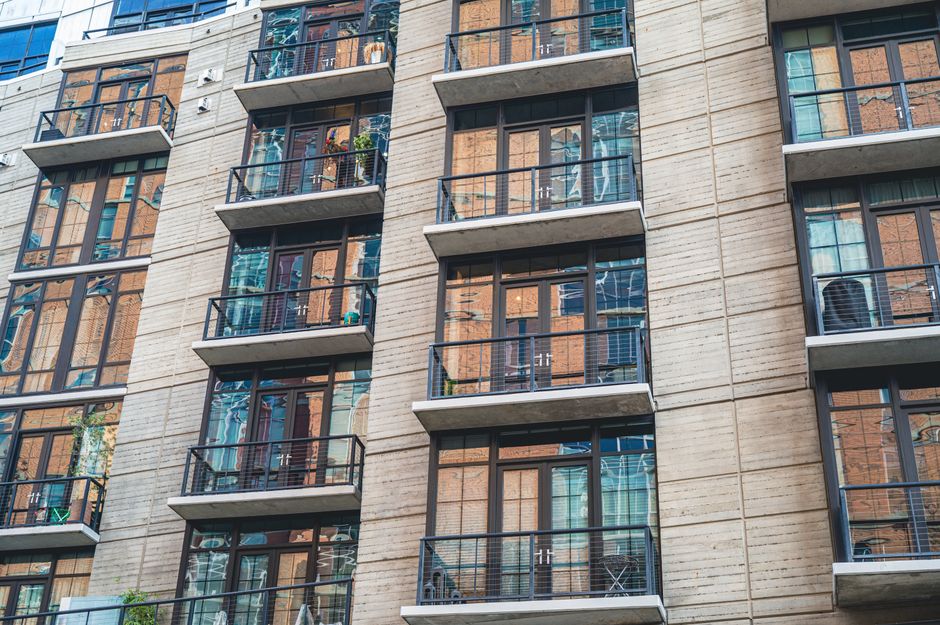
Professional installation is important. A poorly installed film can bubble, peel, or lose effectiveness. The installer cleans the window thoroughly, applies the film with precision, and ensures it adheres perfectly to avoid gaps or creases.
Once installed, you get year-round benefits. In summer, the film keeps heat out and reduces your air conditioning load. In winter, some films help retain interior warmth by reducing heat loss through the glass. You’ll also notice an immediate difference in glare reduction—interior brightness becomes more manageable without feeling like you’re living in a cave.
Your furniture, artwork, and flooring are protected too. UV rays fade colors and damage materials over time. Blocking those rays extends the life of everything in your home that sits in sunlight.
What to Expect From Your Installation
A professional installer from SunTrust Mobile Window Tinting will measure your windows, discuss film options, and explain what each choice delivers in terms of heat reduction and UV protection. They’ll apply the film carefully, trim it precisely, and make sure there are no air bubbles or imperfections.
The entire process typically takes a few hours depending on how many windows you’re treating. After installation, the film needs a day or two to fully cure before you use window shades or expose it to water, but you can enjoy the benefits immediately.
Maintenance is straightforward. Clean your tinted windows the same way you’d clean any window—with a soft cloth and mild soap. Avoid abrasive scrubbers or ammonia-based cleaners on the film.
Energy Savings and Comfort
One of the biggest reasons homeowners choose UV blocking film is the impact on cooling costs. By lowering the amount of solar heat entering your home, the film reduces how hard your air conditioning system has to work. Lower interior surface temperatures mean less strain on your HVAC equipment and lower energy bills.
The exact savings depend on factors like your home’s size, insulation, local climate, and which windows you film. Large windows or multiple south-facing exposures tend to deliver more noticeable savings.
Beyond cost, there’s the comfort factor. Rooms that used to be uncomfortably hot in the afternoon become pleasant. You can sit by a window without squinting or feeling like you’re in an oven. That quality-of-life improvement is worth a lot.
Is UV Blocking Film Right for You?
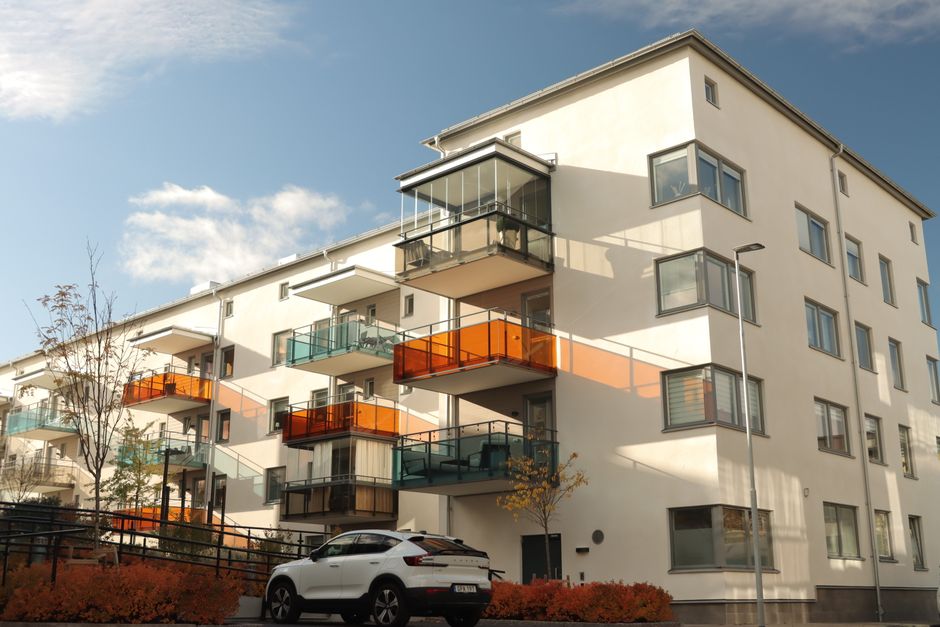
UV blocking film makes sense if you own your home (not renting), want to avoid major renovations, or have windows that let in excessive heat or glare. It’s also a smart choice if you have valuable furniture, art, or flooring that you want to protect from fading.
It’s less ideal if you have a very old window frame that’s about to be replaced anyway, or if your priority is soundproofing rather than heat control. But for most homeowners dealing with sun damage, high cooling bills, or uncomfortable heat gain, UV blocking film is a practical win.
Getting Started With Professional Installation
The next step is to schedule a consultation and get a sense of which films would work best on your home. A professional can assess your windows in person, explain the trade-offs between different film types, and help you understand what you’ll gain from each option.
SunTrust Mobile Window Tinting serves the Peoria, Arizona area and offers mobile installation, so the team comes to you. Reach out to discuss your windows and get personalized recommendations based on your home’s specific layout and your priorities.
Frequently Asked Questions
Does UV blocking film make windows darker?
Not necessarily. It depends on the film you choose. Some UV blocking films are nearly clear and barely visible once installed. Others have a light tint or reflective finish. During your consultation, you can see samples and understand exactly how each option will look on your windows.
How long does UV blocking film last?
High-quality residential UV blocking film typically lasts 10 to 15 years or longer, depending on sun exposure and maintenance. Films on west-facing windows in intense sunlight may need replacement sooner than those on shaded sides. It’s a one-time investment that pays dividends over time.
Can UV blocking film be removed or replaced?
Yes. If you want to remove the film, a professional can do it safely without damaging the glass. If you want to upgrade to a different type of film later, removal and reinstallation is straightforward. This makes it a low-risk way to experiment with what works best for your home.
Will UV blocking film help in winter?
Yes. While UV blocking film is most associated with summer cooling, it provides benefits year-round. It reduces heat loss through windows in winter by slowing the escape of interior warmth. Combined with summer heat rejection, this year-round performance is one reason homeowners see real energy savings.
Leave a Reply