If you’re sitting in a parked car on a hot Arizona afternoon, you already know the problem: the interior turns into an oven in minutes. Automotive window tint for heat protection is one of the most practical upgrades you can make to your vehicle. Quality tint film blocks up to 99% of UV rays, reduces solar heat gain, and keeps your car more comfortable year-round.
Here’s what you need to know before you decide whether tinting is right for your vehicle.
How Automotive Window Tint Works for Heat
Window tint films work by reflecting and absorbing solar energy before it enters your car’s interior. Think of it like sunscreen for your windows. The film sits on the inside of the glass and blocks a significant portion of the sun’s heat and ultraviolet radiation.
Related: Commercial Window Tinting Goodyear AZ: Benefits & How It Works
Related: Best Window Tint for Commercial Buildings: Heat & Security
The magic happens at the molecular level. Most tint films contain either metallic particles or ceramic nanoparticles that intercept infrared radiation (the wavelengths that cause heat). When these particles block that energy, less of it makes it through to your dashboard, seats, and steering wheel.
Ceramic tint is the premium option for heat protection specifically. Unlike older dyed or metallic films, ceramic technology offers superior heat rejection without the drawbacks. You get better visibility, no radio interference, and tint that won’t fade or bubble over time.
According to research from the National Center for Biotechnology Information, UV exposure also accelerates skin damage and increases melanoma risk, which makes UV blocking a genuine health benefit, not just a comfort feature.
Real Benefits Beyond Just Staying Cool
Yes, heat protection is the headline benefit. But automotive window tint actually does several things at once:
- UV Protection: Blocks up to 99% of ultraviolet rays, protecting your skin during drives and preventing interior fading
- Interior Preservation: Your dashboard, seats, and steering wheel won’t crack, fade, or age as quickly under intense sunlight
- Privacy and Security: Darker tint makes it harder for people to see what’s inside your vehicle
- Reduced Glare: Less light bouncing off reflective surfaces means easier, safer driving
- Overall Comfort: Your AC doesn’t have to work as hard, which can improve fuel efficiency slightly
If you live in an area where temperatures regularly hit 90-100°F for three or more months per year, these benefits add up fast. Arizona drivers, especially those in Peoria and Phoenix, deal with this reality every summer.
Ceramic Tint vs. Other Film Types
Not all window tint is created equal. Understanding the differences helps you make the right choice for your climate and budget.
Ceramic Tint: The best option for heat protection. Ceramic nanoparticles provide superior infrared rejection without metallic particles that can interfere with electronics or create a reflective look. These films are durable, resist fading, and maintain optical clarity. The trade-off is price—ceramic tint costs more upfront.
Metallic Tint: An older style that uses metal particles to reflect heat. It’s cheaper than ceramic but can interfere with cell phone signals, GPS, and radio reception. It also tends to look reflective and can corrode over time.
Dyed Tint: The most affordable option. Dyed films absorb heat rather than reflecting it, and they provide decent UV protection. The downside is durability—dyed tint fades faster and can bubble or peel within a few years, especially in extreme heat climates.
For Arizona’s heat, ceramic is worth the investment because it actually lasts and performs as advertised. You’re not replacing it every few years.
What to Expect from Professional Installation

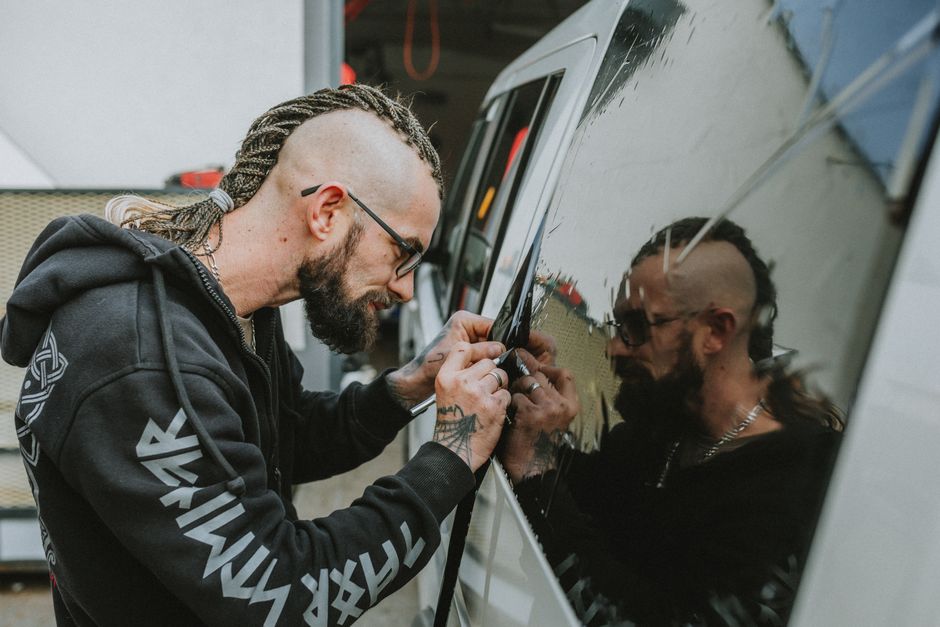
Installing window tint correctly matters. Poor installation leads to bubbles, peeling, streaks, and reduced performance. A professional applies the film using precise techniques, proper tools, and experience.
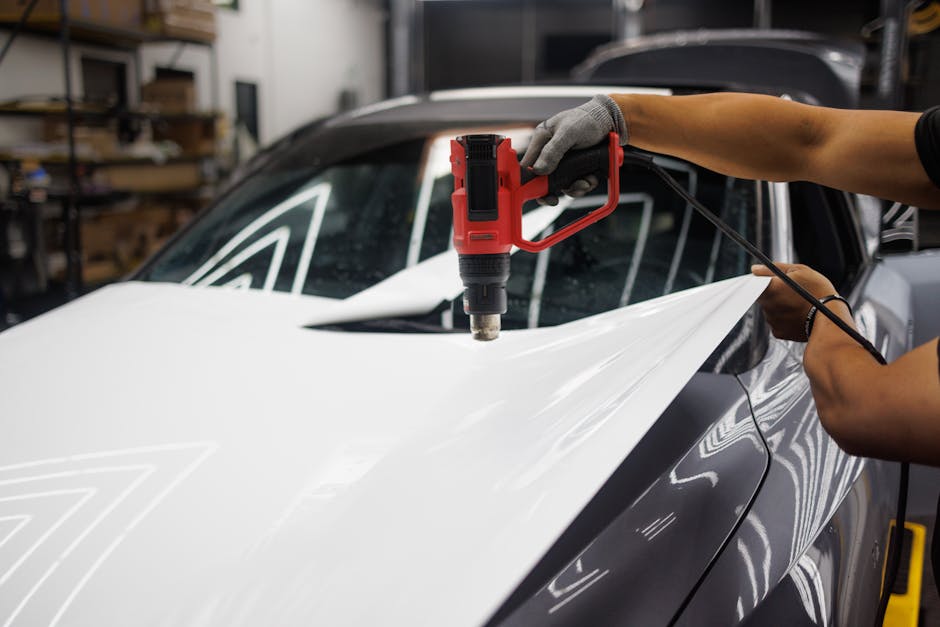
Professional installers heat-shrink the film to fit your windows exactly, use slip solutions to position it perfectly, and squeegee out air bubbles without damaging the material. The process takes a few hours depending on how many windows you’re tinting.
Related: How to Find a Professional Window Tinting Contractor
Related: How Much Does Window Tinting Cost in 2026
After installation, you’ll need to let the film cure. Most tints need 24-48 hours before you should roll down your windows or clean the glass. This allows the adhesive to set properly.
When you’re ready to explore professional tinting for your vehicle, SunTrust Mobile Window Tinting offers mobile installation services, which means technicians come to you—whether that’s your home, work, or another convenient location.
How Much Heat Does Tint Actually Reduce?
The effectiveness of automotive window tint varies based on the specific film, how dark the tint is, and the angle of the sun. Ceramic films are engineered to reject a significant portion of solar heat, which is why they’re specifically recommended for hot climates.
Related: Ceramic Window Tint vs Dyed Film: Which Is Better?
Real-world performance depends on several factors: the film quality, the darkness level (measured in VLT or Visible Light Transmission), your vehicle’s color, and whether your windows are tinted on all sides or just the rear and sides.
The best way to verify effectiveness is through consultation with a professional installer who can explain the specific performance characteristics of the tint they recommend. Marketing claims alone aren’t reliable—you want to talk to someone who understands your vehicle and your climate.
Legal Darkness Restrictions in Arizona
Arizona has specific regulations about how dark your window tint can be. Front side windows have different limits than rear windows and the rear windshield. If you plan to tint your vehicle, check current Arizona Department of Transportation guidelines to make sure your tint meets legal standards.
A professional installer will know the local regulations and can recommend tint darkness levels that give you maximum benefit while staying compliant. This is another reason working with an experienced provider like SunTrust Mobile Window Tinting makes sense—they handle the technical and legal details so you don’t have to.
Related: Best Window Tint Darkness Levels for Vehicles: A Complete Guide
Is Automotive Window Tint Worth the Investment?
If you spend significant time driving in intense sun, yes. The combination of heat reduction, UV protection, interior preservation, and privacy makes tint a practical upgrade that pays dividends over time.
Related: Decorative Window Tint Privacy Film: Style & Privacy Guide
You’ll notice the difference immediately when you get into your car. The interior will be cooler, the light will be softer, and reflections on the windshield won’t be as harsh. Over months and years, your dashboard and seats will age much more slowly.
In a hot climate like Arizona, window tint is considered a smart vehicle upgrade—not a luxury add-on. It directly improves your driving comfort and protects your investment in the vehicle itself.
Getting Started with Automotive Window Tint
The first step is deciding what level of tint you want and what your budget allows. Talk to a professional installer about your priorities: Are you focused mainly on heat reduction, or do you want darker tint for privacy and aesthetics? Do you want to tint just the rear and side windows, or everything including the front?
Once you’ve made those decisions, get a quote from a reputable installer who has experience with your vehicle type and understands Arizona’s climate and legal requirements. Ask about the specific film they use, the warranty they offer, and how long the installation takes.
A professional can also answer questions specific to your vehicle—whether tinting rear windows might affect your backup camera, for example, or whether certain tint shades work best with your car’s color and interior.
If you’re in the Peoria area and ready to explore professional automotive window tint options, SunTrust Mobile Window Tinting provides mobile installation with quality ceramic films designed for heat protection and durability.
Related: Automotive Window Tinting Cost Per Square Foot in 2026
Related: UV Protection Window Tinting Services: Complete Guide
Related: Automotive Tint Removal & Reapplication Services Guide
Related: Window Tint for Home Heat Rejection: Complete Guide
Frequently Asked Questions
How much does automotive window tint cost?
Pricing depends on your vehicle size, the number of windows you’re tinting, and the quality of the film. Ceramic tint costs more than dyed or metallic options but lasts significantly longer. A full vehicle tint typically ranges from a few hundred to over a thousand dollars. Get quotes from local installers for exact pricing in your area.
Can I tint my windows myself?
You can buy tint kits and attempt DIY installation, but professional results require skill and practice. Bubbles, wrinkles, and misalignment are common with DIY tinting. Professional installation ensures quality results, proper curing, and a warranty. For the price difference, professional installation is usually worth it.
Will window tint affect my visibility or visibility at night?
Quality tint should not significantly reduce your ability to see the road, especially at night. Ceramic tint maintains optical clarity while blocking heat and UV. Extremely dark tint on front windows can affect visibility, which is partly why legal restrictions exist. A professional installer will recommend darkness levels that balance heat protection with safe visibility.
How long does automotive window tint last?
Ceramic tint can last 10 years or longer if professionally installed and properly maintained. Dyed or metallic tints typically fade and deteriorate faster in extreme heat climates, often needing replacement within 5-7 years. Arizona’s intense UV exposure means high-quality tint is especially important for longevity.