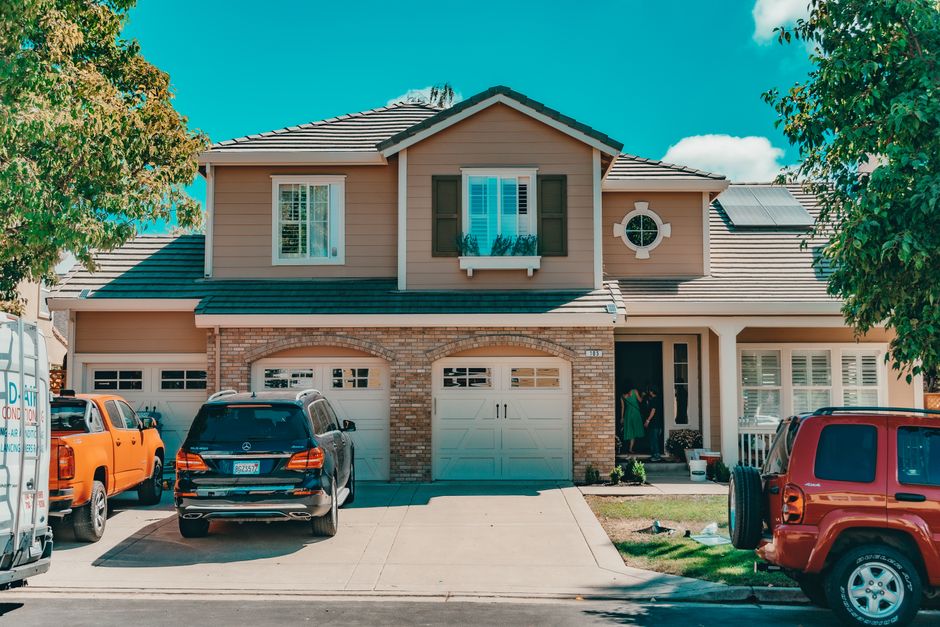
Residential solar window film installation is a straightforward process that involves applying a thin, specialized film to your home’s windows to block heat, reduce glare, and protect against UV rays. Unlike window replacement, it’s fast, affordable, and you see results immediately. Let’s walk through how it works, what the installation looks like, and whether it’s right for your home.
What Is Residential Solar Window Film?
Solar window film is a multi-layered adhesive material applied directly to the inside or outside of your glass. It works by reflecting and absorbing solar energy before it enters your home, which keeps rooms cooler and reduces the strain on your air conditioning system.
Related: How Solar Window Film Reduces Cooling Costs
Think of it like sunscreen for your windows. The film blocks up to 99% of UV rays, reduces heat by 30-60%, and cuts down on harsh glare that makes it hard to watch TV or work comfortably during the day.
Professional installation from SunTrust Mobile Window Tinting ensures the film is applied smoothly without bubbles, wrinkles, or peeling that could happen with a DIY approach.
How Much Does Residential Solar Window Film Installation Cost?
Professional installation typically runs between $6 and $15 per square foot, depending on the film quality, your location, and the complexity of your windows. A typical home with 500 square feet of windows might see a total cost between $3,000 and $7,500.
That sounds like a lot upfront, but here’s the payoff: most homeowners recover their investment within 5-8 years through lower energy bills. In hot climates like Arizona, the payback period is often even shorter, sometimes 3-5 years.
Premium films last 10-15+ years, so you’re really spreading that cost across a decade or more of reliable performance and comfort.
Step-by-Step: What Happens During Installation
Professional residential solar window film installation follows a consistent process. Understanding what to expect makes the whole experience less stressful.
Related: Residential Window Film Installation Timeline & Process
Related: Solar Window Film Benefits for Residential Homes
1. Initial Consultation and Measurement
A technician visits your home to assess your windows, discuss your goals, and take precise measurements. They’ll recommend film types based on your home’s exposure (south and west-facing windows get the most heat), your budget, and aesthetic preferences.
2. Film Selection
You’ll choose from different performance levels. High-performance solar control films are the most popular for residential use because they block heat and UV effectively while maintaining good visibility and a neutral appearance.
3. Window Preparation
On installation day, the technician cleans each window thoroughly inside and out. Any dirt, dust, or residue left behind will trap under the film and create imperfections. This step is critical and often separates professional results from amateur DIY jobs.
4. Film Application
The technician applies a solution to the window, then carefully lays down the film. Using specialized tools like squeegees and heat guns, they remove air bubbles and ensure the film adheres perfectly to the glass. This requires skill and patience, which is why professional installation is so much better than doing it yourself.
5. Curing
After installation, the film needs time to cure (usually 48-72 hours). You’ll want to avoid touching the windows or using the air conditioning aggressively during this period so the adhesive can set properly.
Key Benefits of Professional Installation
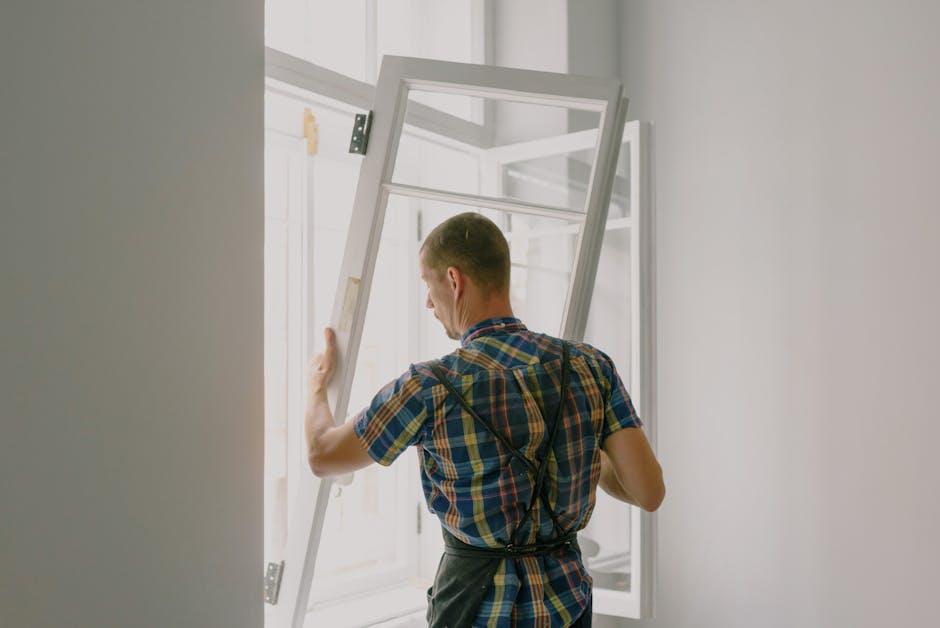
Energy savings are obvious, but there’s more to it than lower utility bills.
Comfort Improvement
Rooms stay cooler and more comfortable, especially during peak afternoon heat. You’ll notice the difference immediately, particularly in bedrooms and living areas on the sunny side of your home.
UV Protection
Solar film blocks up to 99% of UV rays, which protects your skin, prevents furniture and flooring from fading, and keeps artwork and photos looking vibrant longer. The American Cancer Society notes that UV protection is critical for reducing skin cancer risk, and residential window film is one practical layer of that defense.
Glare Reduction
Related: Glare Reduction Window Film for Home Offices: A Guide
If you work from home, watch a lot of TV, or just hate squinting at your computer screen, solar film dramatically cuts glare without darkening your space too much.
Privacy and Aesthetics
Some solar films have a reflective quality that increases privacy during the day (passersby can’t see in, but you can see out). Your windows maintain a clean, professional appearance.
Related: Decorative Window Tint Privacy Film: Style & Privacy Guide
Related: Decorative Window Film for Home Privacy: A Complete Guide
Residential Solar Window Film vs. Other Solutions
You might be wondering how solar film compares to window coverings, tinted glass, or other heat-reduction methods.
Related: UV Blocking Film for Residential Windows: A Complete Guide
Window coverings like blinds and curtains are cheaper upfront but require manual adjustment and don’t block heat as effectively. Solar film is passive, permanent, and works 24/7 without you lifting a finger.
Replacement windows with tinted or low-E glass are another option, but they’re 5-10 times more expensive than solar film and take weeks to install. Solar film gives you most of the benefits at a fraction of the cost.
Exterior shading (awnings, trees, overhangs) is great for aesthetics but doesn’t work in all situations and doesn’t protect furnishings inside from UV damage.
Finding the Right Installation Professional
Not all window film installers are equal. You want someone experienced with residential applications who uses quality materials and stands behind their work.
Look for:
- Licensed, insured contractors with solid reviews
- Experience specifically with residential solar film (not just automotive tinting)
- Warranty on materials and workmanship (usually 5-10 years)
- Local, established business with references
When you’re ready to move forward, SunTrust Mobile Window Tinting specializes in professional residential solar window film installation with a focus on quality and customer satisfaction.
What to Expect After Installation

Once your solar film is installed and cured, maintenance is minimal. Clean windows periodically with a soft cloth and mild soap. Avoid abrasive cleaners that could scratch the film.
You should notice energy bill reductions within the first month, especially if you install film on south and west-facing windows before summer. In a warm climate, annual savings of 10-30% on cooling costs are realistic, depending on how much window area you cover and how well your home was insulated to begin with.
The film itself requires no ongoing treatment or replacement until it reaches the end of its lifespan (typically 10-15 years), at which point a professional can remove it and install new film if you want.
Common Questions About Installation Timing
A lot of homeowners ask whether to install solar film before summer or year-round. The honest answer: any time is fine, but early spring is ideal because you’ll feel the full benefit during the hot season and recoup your investment faster through summer energy savings.
If you’re in Arizona or another hot climate and it’s already August, don’t wait. You’ll still save significantly on cooling costs for the rest of the year, plus you get all the UV protection and glare reduction benefits immediately.
DIY vs. Professional Installation
You can buy solar window film online and apply it yourself, and some people do. But here’s why professionals are worth the cost: tiny bubbles, wrinkles, and misalignment aren’t just cosmetic problems. They reduce the film’s effectiveness, create areas where dirt and moisture can seep underneath, and make the film peel prematurely.
Professional installers have years of experience, specialized tools, and the muscle memory to apply film smoothly and securely the first time. The warranty you get with professional installation is also valuable if something goes wrong.
Next Steps
If you’re serious about reducing heat, glare, and energy costs through residential solar window film installation, start with a consultation. A qualified installer will visit your home, assess your windows, and give you a realistic estimate based on your specific situation.
During your consultation, ask about film options, expected energy savings, warranty coverage, and the installation timeline. Get everything in writing before committing.
Ready to get started? Contact SunTrust Mobile Window Tinting for a free assessment and quote in the Peoria, Arizona area.
Related: Mobile Window Tinting in Peoria, Arizona: Complete Guide
Related: Mobile Window Tinting Appointment Booking: A Step-by-Step Guide
Related: Window Tint for Home Heat Rejection: Complete Guide
Related: UV Protection Window Tinting Services: Complete Guide
Related: Energy Efficient Window Film for Homes: Complete Guide
Frequently Asked Questions
How long does residential solar window film installation take?
Installation typically takes 2-4 hours for an average home, depending on the number of windows and their size. Larger homes or complex window configurations may take longer. The film needs 48-72 hours to cure fully, during which you should minimize window contact and keep the air conditioning at moderate levels.
Will solar film make my home look dark or weird?
Not at all. Quality residential solar films maintain your visibility and look nearly invisible from the outside. Most people notice the effect (less glare, cooler rooms) before they even notice the film itself. You can choose from different tints and reflectivity levels depending on your aesthetic preference.
Can I apply solar film to all my windows, or just some?
You can film any window in your home. That said, you’ll get the biggest energy and comfort benefit from south and west-facing windows, which get the most sun exposure. Many homeowners choose to prioritize those areas for cost efficiency, then expand to other windows later if they want.
Does solar window film affect my home’s heating in winter?
Solar film blocks heat from outside, which is what you want in summer. In winter, the film still lets sunlight in (passive solar gain), but it’s less aggressive than summer sun. Your heating costs won’t increase noticeably. The real win is summer cooling savings, which far outweigh any minimal winter heating difference.