
If you’re running a commercial building in Arizona, you already know the heat is relentless. Window tint isn’t just about comfort anymore—it’s about cutting your energy costs and protecting your space. The best window tint for commercial buildings does multiple things at once: it rejects heat, reduces glare, blocks UV rays, and can even improve security.
Here’s what actually works and why it matters for your bottom line.
Related: Commercial Building Window Tint Energy Savings: Real ROI Numbers
Related: Automotive Window Tint for Heat Protection: What Works
Related: Decorative Window Tint Privacy Film: Style & Privacy Guide
Related: Window Tint for Home Heat Rejection: Complete Guide
What Makes Window Tint Work for Commercial Buildings?
Commercial window films work by rejecting the sun’s energy before it enters your building. Quality films can reject up to 81% of the sun’s heat, which means your AC isn’t working overtime to cool down spaces that are basically greenhouses.
The math is simple: less heat coming in equals lower energy bills. Businesses typically see AC cost reductions from the first month of installation, and the long-term savings add up fast. You’re looking at potential savings around 19 kWh per square foot annually—that’s money back in your pocket every single year.
But it’s not just about temperature. Glare makes it hard for employees to work. It causes screen glare on computers, makes conference rooms unusable during certain times of day, and creates an uncomfortable work environment. The right window film solves this without making your space feel dark or cave-like.
Nine Types of Commercial Window Film to Consider
Not all commercial window tints are the same. Different films are designed for different problems. Understanding your specific need helps you pick the right one.
- Solar Control Films: These are your primary heat-rejection option. They’re designed specifically to block infrared radiation while letting visible light through.
- Security Films: These hold glass together if it breaks, protecting against break-ins and impact damage. Essential for ground-floor offices and retail spaces.
- Decorative Films: Want privacy without making your office feel like a bunker? Decorative films add style while blocking views.
- Anti-Graffiti Protection: Graffiti sits on the film instead of the glass itself. You replace the film instead of replacing expensive windows.
- Bird Strike Prevention Films: These help birds see the glass and avoid collisions. Sounds niche, but it’s important for certain building locations.
- UV Blocking Films: Protects your interior furnishings, flooring, and artwork from fading. These work alongside solar films.
- Low-E Films: These reflect heat back outside during summer and reflect interior warmth back inside during winter. Great for year-round efficiency.
- Smart Window Films: These can switch between opaque and clear on demand. Premium option for modern buildings.
- EMI Shielding Films: Blocks electromagnetic interference. Specialized need for certain tech-heavy offices.
Most commercial buildings benefit from a combination approach. Solar control plus UV blocking gives you comprehensive protection. Some buildings layer security film with solar film for maximum performance.
Energy Savings: The Real Numbers
Let’s talk specifics because this is usually what justifies the investment.
A quality commercial window film can minimize overall heat gain by 79%. That’s not a small number. For a mid-sized office building with significant south-facing or west-facing windows, this translates to measurable monthly savings on your energy bill.
The payback period varies depending on your building’s size, current energy costs, and how much direct sun exposure your windows get. But most commercial properties see return on investment within 3-5 years. After that, every month is profit.
Beyond the obvious AC savings, there’s also employee productivity. Studies show that reducing glare and heat improves focus and reduces fatigue. You’re not just saving money on energy—you might actually be improving your team’s output.
Choosing the Right Film for Your Building Type
Your building’s specific situation matters. A retail storefront has different needs than an office tower, which has different needs than a warehouse.
Office Buildings: Prioritize solar control and glare reduction. Your employees spend 8+ hours inside, so comfort is non-negotiable. Low-E films work well if your building has heating needs in winter.
Retail Spaces: You want solar control, but you also want your merchandise visible. This is where decorative + solar hybrid films shine. Add security film if you have ground-floor windows.
Warehouses: Heat rejection is priority one, especially if you have temperature-sensitive products or equipment. Security film matters less unless you have high-value inventory.
Data Centers & Tech Offices: Consider EMI shielding films along with solar control. Heat rejection is critical to protect expensive equipment.
How Professional Installation Changes the Game
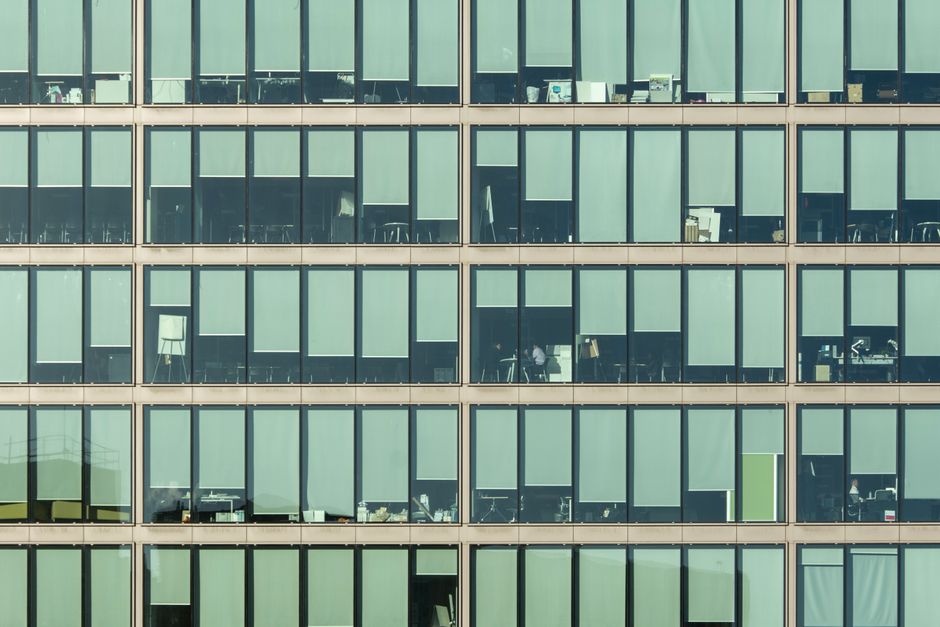
Here’s something people often overlook: the quality of installation matters as much as the film quality itself.
A poorly installed film will bubble, peel, and fail way before its time. Professional installers know how to prepare surfaces, apply film without wrinkles, and handle the specific challenges of large commercial windows.
SunTrust Mobile Window Tinting specializes in commercial applications and understands Arizona’s intense heat conditions. Proper installation means your film delivers maximum heat rejection and actually lasts the full lifespan it’s rated for.
The installation process takes time. Your windows might be covered for a day or two while the work happens. Professional teams minimize disruption and work around your business schedule.
What to Look for When Selecting a Tint Provider
Not all window tint providers understand commercial needs. Residential tinting experience doesn’t automatically translate to commercial expertise.
Look for providers that:
- Have specific experience with commercial projects (ask for references)
- Offer warranty coverage on both materials and installation
- Understand energy code compliance for your area
- Can handle large-scale projects and coordinate scheduling
- Use premium film brands backed by proven long-term durability
- Have 5-star reviews specifically from commercial clients
This isn’t the place to go cheap. A $500 savings on installation might cost you $5,000 in premature film failure or poor performance.
Energy Code Compliance and Rebates
Some states and municipalities have energy efficiency codes that affect which window films you can install. Before selecting your film, check your local building codes.
The good news? Many utility companies offer rebates for commercial window tinting installations that meet efficiency standards. The rebate can offset a significant portion of your installation cost, improving your payback period.
Related: Commercial Window Tinting Near Me: Find Local Installers
Your tint provider should be familiar with these rebate programs and help you navigate the paperwork. This is another reason to work with an experienced commercial installer rather than going solo.
Maintenance and Long-Term Care
Commercial window film is low-maintenance, but not zero-maintenance.
Avoid abrasive cleaners on tinted windows. Use soft cloths and mild soap solutions. Professional cleaners should be aware your building has tinted windows (they usually adjust their approach accordingly).
Most quality commercial films last 10-15 years or longer. As long as you’re not abusing them, they’ll keep performing. That’s a long payback window for your energy investment.
Cost Expectations
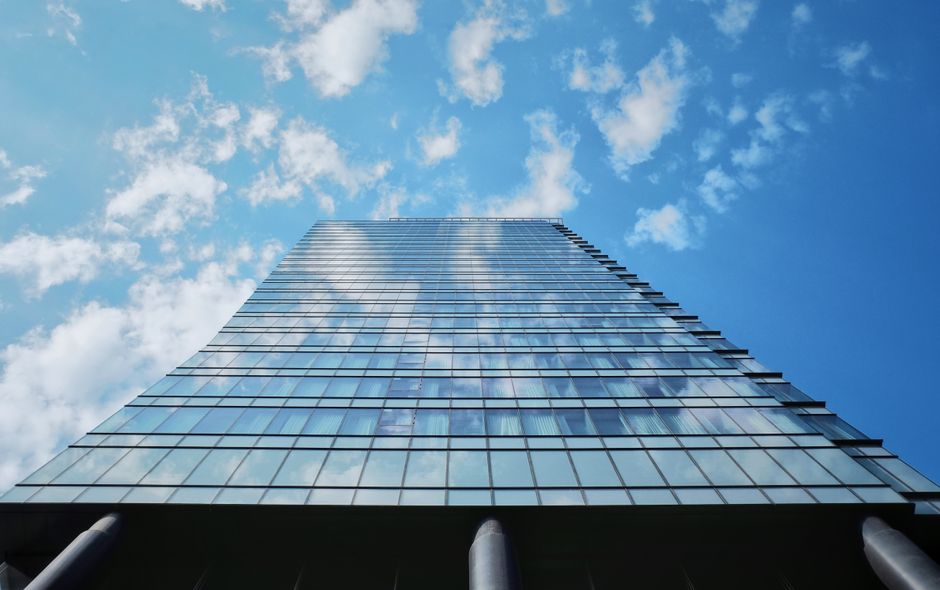
Commercial window tinting costs vary based on film type, window size, and installation complexity.
Solar control films typically run $3-8 per square foot installed. Security films cost more, usually $8-15 per square foot. Decorative or specialty films fall somewhere in the middle.
For a typical commercial building with several hundred square feet of windows, expect a total investment in the $2,000-10,000 range. That sounds like a lot until you calculate your annual energy savings and realize you’re essentially paying for it out of your AC budget anyway.
Making Your Decision
Start by identifying your primary goal. Is it energy savings? Glare reduction? Security? UV protection? Knowing what matters most narrows down your film options.
Then get quotes from multiple providers who have actual commercial experience. SunTrust Mobile Window Tinting can walk you through the options and help you understand what makes sense for your specific building and budget.
Ask questions about warranty coverage, installation timeline, and post-installation support. A reputable provider will have clear answers and be transparent about what you can expect.
Why Quality Matters
Cheap window tint might save money upfront, but it typically means lower heat rejection, faster degradation, and a disappointing return on investment. Commercial buildings are high-traffic, high-visibility spaces. Your window tint is part of your building’s overall appearance and function.
Investing in quality film from a trusted installer means consistent performance, longer lifespan, and better energy savings. The difference between a $3-per-square-foot film and a $6-per-square-foot film might be 20% better heat rejection. Over 10 years, that difference compounds into thousands of dollars in savings.
Think of it as infrastructure. You wouldn’t cheap out on your roof or HVAC system. Window tint deserves the same consideration.
Next Steps for Your Commercial Building
Schedule a consultation with a commercial tint provider. They’ll assess your windows, discuss your goals, and recommend specific films that work for your situation.
Bring information about your current energy bills if you have it. A professional can model out potential savings and give you realistic payback projections.
Don’t rush the decision. Commercial window tinting is a 10+ year investment. Taking time to choose the right film and the right installer pays off in the long run.
Ready to get started? SunTrust Mobile Window Tinting serves the Phoenix metro area and has extensive experience with commercial projects of all sizes. Reach out to discuss your building’s specific needs.
People Also Ask
How much money can I save with commercial window tint?
Most businesses see AC cost reductions starting in month one. Over a year, you can save around 19 kWh per square foot depending on your building’s size, climate, and current energy costs. A mid-sized office might save $1,000-3,000 annually. Larger buildings or those with extensive sun exposure can save significantly more.
What’s the difference between commercial and residential window tint?
Commercial films are engineered for larger window applications, higher UV exposure, and performance consistency over decades. They’re thicker, more durable, and designed for the specific challenges of multi-story buildings. Residential films are simpler and designed for individual windows or smaller applications.
How long does commercial window tint installation take?
Most installations take 1-3 days depending on building size and window count. Large buildings with hundreds of windows might require a week or more. Professional installers work efficiently to minimize disruption to your business operations.
Do commercial window films affect natural light?
Quality commercial films reduce visible light by 20-40% depending on the type you choose. This is noticeably darker than no tint, but most people find they adjust within a few days. If light reduction is a concern, discuss lighter tint options with your installer—there’s typically a trade-off between light reduction and heat rejection.