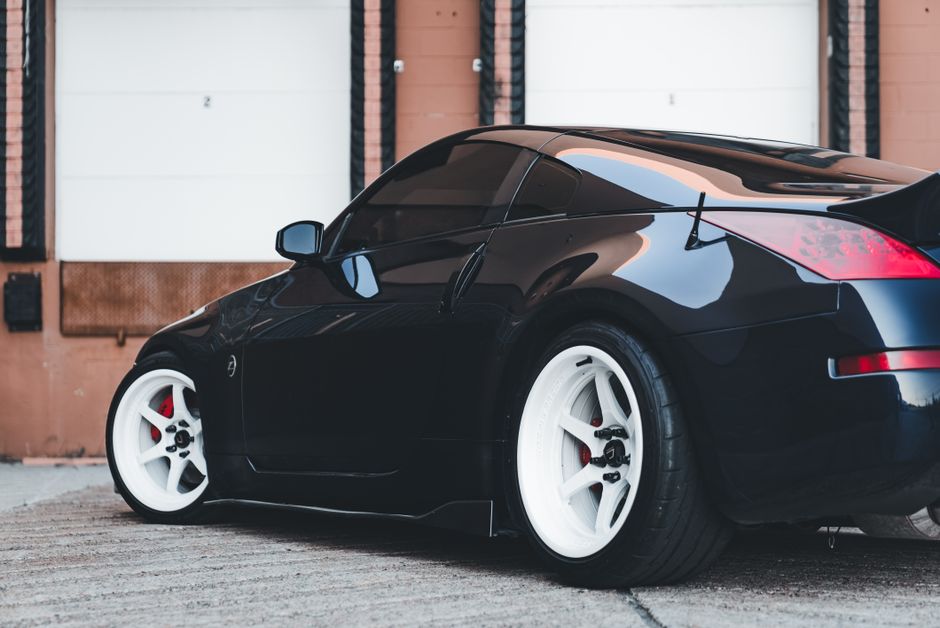
Picking the right window tint darkness for your vehicle is one of those decisions that feels simple until you realize there are way more options than you expected. The darkness level you choose affects how your car looks, how much heat and UV light gets blocked, your ability to see out at night, and whether you’re breaking any laws in your state.
The good news? There’s a clear winner for most drivers, and we’re going to walk you through exactly how to think about it.
Understanding Window Tint Darkness: What VLT Actually Means
First, let’s talk about how tint darkness is measured. Every tint product has a VLT rating, which stands for Visible Light Transmission. This is just a percentage that tells you how much light passes through the tint film.
Related: Window Tint for Home Heat Rejection: Complete Guide
Related: Window Tint Installation for Peoria Business Owners: A Complete Guide
Related: How to Maintain Window Tinting on Cars: Complete Guide
Related: Window Tinting for Vehicles in Hot Climates: A Complete Guide
Related: Decorative Window Film for Home Privacy: A Complete Guide
Here’s the simple version:
- Higher VLT percentage = more light gets through = lighter, less dark tint
- Lower VLT percentage = less light gets through = darker, more opaque tint
So if you see a tint labeled as 35% VLT, that means 35% of the light passes through the film, and 65% gets blocked. Easy, right?
The Darkness Scale: From Nearly Clear to Limo Tint
Let’s break down the common tint darkness levels you’ll actually encounter when shopping around.
70-80% VLT (Almost Clear)
This is barely a tint. You’re getting minimal color and almost no privacy benefit. The only real reason to go this light is if your state has strict tint laws or you want a tiny bit of UV protection without changing your car’s appearance. You’ll hardly notice it’s there.
50% VLT (Light Tint)
Now we’re in the territory where people actually know you’ve tinted your windows. You get modest UV and heat rejection without making visibility a problem. This is a good choice if you want style without commitment.
35% VLT (The Sweet Spot)
This is the most popular choice, and there’s a reason for that. At 35% VLT, you get a noticeable, professional-looking tint that provides real privacy and heat reduction. Your visibility remains solid, even at night. Most importantly, 35% stays legal in the vast majority of states, which can’t be said for darker options. This is the balanced choice that gives you style, function, and peace of mind all at once.
20% VLT (Dark Tint)
Now you’re getting serious about privacy and heat blocking. Twenty percent tint gives your vehicle a distinctly darker, more aggressive look. Night driving is still manageable, but it requires more caution. This is where legality starts becoming a real concern depending on where you live.
5-15% VLT (Very Dark to Limo Tint)
At this darkness level, you’re looking at what’s commonly called “limo tint.” These are the windows where you basically can’t see inside. Five percent blocks 95% of light. It looks incredible and provides maximum privacy, but it’s illegal in most states for front windows. Even in states where it’s allowed on rear windows, driving at night becomes genuinely risky. You need to know what you’re getting into before choosing this darkness level.
Why 35% VLT Works Best for Most Drivers
If you’re standing at the store trying to decide, here’s our honest recommendation: 35% VLT is the safe default.
Here’s why it wins across the board:
- You get real heat and UV protection without sacrificing visibility
- It looks professional and intentional on your vehicle
- It’s legal in the majority of U.S. states
- Night driving remains safe and comfortable
- It provides genuine privacy without being extreme
You’re getting the benefits of window tinting without the drawbacks. That’s the whole point of a sweet spot.
State Laws: The Thing You Actually Can’t Ignore
Here’s where a lot of people get tripped up. Window tint laws vary wildly depending on where you live and drive. Some states are strict. Some are lenient. Some have different rules for front windows versus rear windows.
For example, some states allow 35% tint on all windows without issue. Other states cap you at 50% VLT on front windows but allow darker tint on rear windows. A few states have no tint restrictions at all, while others are extremely strict.
Before you install any tint, you need to check your specific state’s legal limits. This isn’t just about avoiding a ticket. Illegal window tint can complicate your auto insurance claim if you’re ever in an accident. Some insurers won’t cover damage to illegally tinted windows or may deny claims altogether.
The bottom line: look it up before you commit. Your state’s DMV website or your local police department can tell you exactly what’s allowed.
Heat and UV Protection: What You Actually Get at Different Darkness Levels

A common misconception is that darker tint automatically means better protection. That’s not quite how it works.
The actual heat and UV rejection comes from the film’s technology and composition, not just the darkness level. A high-quality 35% VLT film can block more UV and heat than a cheap 20% film. What really matters is what you’re buying, not just how dark it is.
That said, there is a relationship: darker tints do tend to reject more heat and light simply because less light is getting through at all. A 5% tint will definitely reject more heat than a 50% tint. But again, quality matters.
When you’re working with SunTrust Mobile Window Tinting, you’re getting professional-grade films that are engineered to block UV and infrared radiation, not just visible light. This is the difference between bargain tint and real protection.
Visibility and Safety at Night
One thing people don’t think about until it’s too late: how much can you actually see out of your windows at night?
At 35% VLT, visibility is still very solid, even after dark. You can see clearly enough to drive safely and notice pedestrians or obstacles. At 20% or darker, you’re entering territory where night driving requires more focus and caution. Below 15%, driving at night becomes genuinely challenging and potentially dangerous.
If you spend a lot of time driving after sunset, this matters. Darker tint looks cooler, but not if it turns your commute into a game of cat and mouse with oncoming traffic.
Style and Appearance
Let’s be real: people tint their windows partly because they like how it looks. Your vehicle’s appearance changes noticeably depending on the darkness level you choose.
Fifty percent VLT and above keeps your car looking mostly stock with a subtle hint of tint. Thirty-five percent gives that classic tinted look without being over the top. Twenty percent and below starts looking aggressive and purposeful. Five percent looks like a celebrity’s car or a nightclub on wheels.
There’s no wrong choice here, but you should pick based on the vibe you want. If you’re going for subtle and professional, stick with 35-50%. If you want your car to stand out, go darker (and make sure it’s legal where you live).
Privacy and Security Considerations
Tinting your windows does provide real privacy benefits, and yes, darker tint means more privacy. But the difference between 35% and 50% might be more meaningful than you think.
At 35% VLT during the day with sunlight coming in, someone outside can’t clearly see what’s inside your vehicle. That’s enough for most people. If maximum privacy is your goal, darker tint obviously gives you more, but remember the legal and visibility tradeoffs we’ve already covered.
Privacy works both ways: better protection from prying eyes, but also reduced visibility for you. It’s a balance.
Getting Your Tint Installed Right
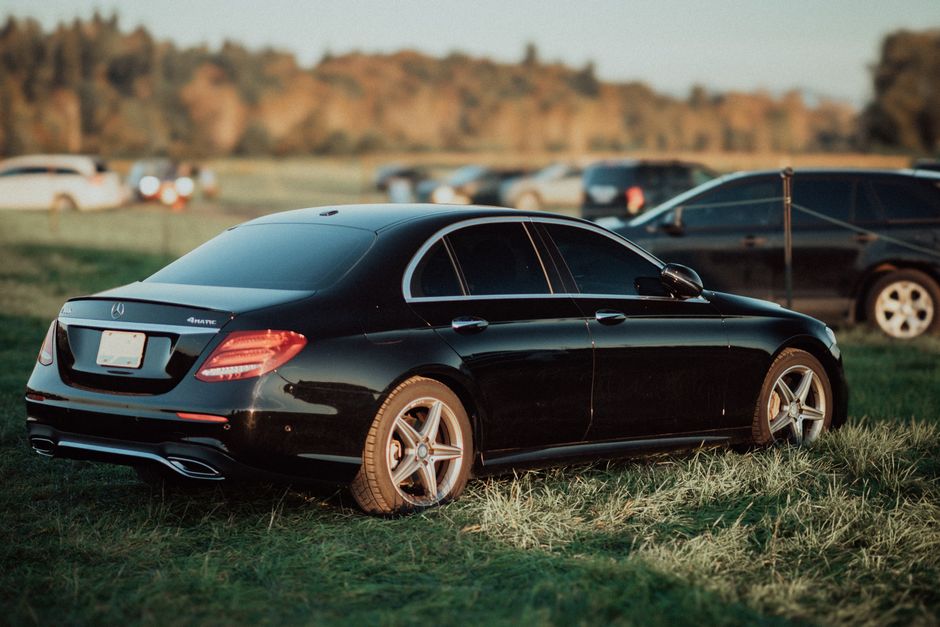
Here’s something that doesn’t get enough attention: the darkness level you choose only matters if the installation is done correctly. Poor installation can lead to bubbles, peeling, and uneven color that makes even good tint look cheap.
Professional installation is worth the investment. The technician needs to prep your windows properly, apply the film without wrinkles or imperfections, and make sure the edges seal correctly. This is also where you want expert advice on which darkness level actually works best for your vehicle and your situation. Mobile window tinting services can come to you and do the work in your driveway, which is way more convenient than heading to a shop.
Common Mistakes People Make When Choosing Tint Darkness
Mistake 1: Ignoring local laws
People pick their preferred darkness level without checking whether it’s legal. Then they get pulled over and end up with a ticket or worse. Check your state laws first, always.
Mistake 2: Choosing tint purely for looks without thinking about function
Yeah, 5% limo tint looks incredible. But if it makes driving at night unsafe or gets you cited regularly, it’s not worth it. Find the balance.
Mistake 3: Assuming darker always means better protection
A quality 35% film with advanced technology can outperform a cheap 15% film. You’re buying protection and durability, not just darkness.
Mistake 4: Installing cheap, low-quality tint
Budget tint fades, discolors, and peels within a couple years. Spending more upfront on quality film saves you money and headache down the road.
The Bottom Line on Window Tint Darkness Levels
If you’re trying to decide what darkness level to get, 35% VLT is your answer unless you have a specific reason to go darker or lighter. It hits the sweet spot: real benefits, legal protection, solid visibility, and professional appearance.
If you want to explore options specific to your vehicle and your state, a professional installation company can walk you through the pros and cons of each darkness level and help you make the right call. That’s what makes the difference between tint that you’re happy with for years and tint that you regret.
FAQs About Window Tint Darkness Levels
Is 35% window tint legal everywhere?
Not everywhere, but it’s legal in most states. Some states cap front window tint at 50%, while others allow 35% on all windows. A few states have stricter limits. You need to check your specific state’s tinting laws before installation. If you’re unsure, contact your local DMV or police department for clarification.
Can I see out of 5% tinted windows at night?
Yes, but not easily. Five percent tint (limo tint) blocks so much light that driving at night becomes challenging and potentially unsafe. Your rear window visibility would be severely compromised. Most drivers find 5% tint impractical for everyday driving, even though it looks amazing during the day.
What tint darkness is best for heat rejection?
The actual heat rejection depends more on the film’s quality and technology than on darkness level alone. That said, a darker tint will always reject some additional heat simply because less light is passing through. A quality 35% professional film will reject significant heat and UV, while a cheap 15% film might underperform. Focus on film quality first, darkness level second.
Will dark window tint affect my car’s resale value?
Not necessarily in a negative way. Many buyers like tinted windows for the style and privacy. The real factor is installation quality and whether the tint is legal in your area. Professional, legal tint usually adds perceived value. Poorly installed or illegal tint can turn buyers away, though.