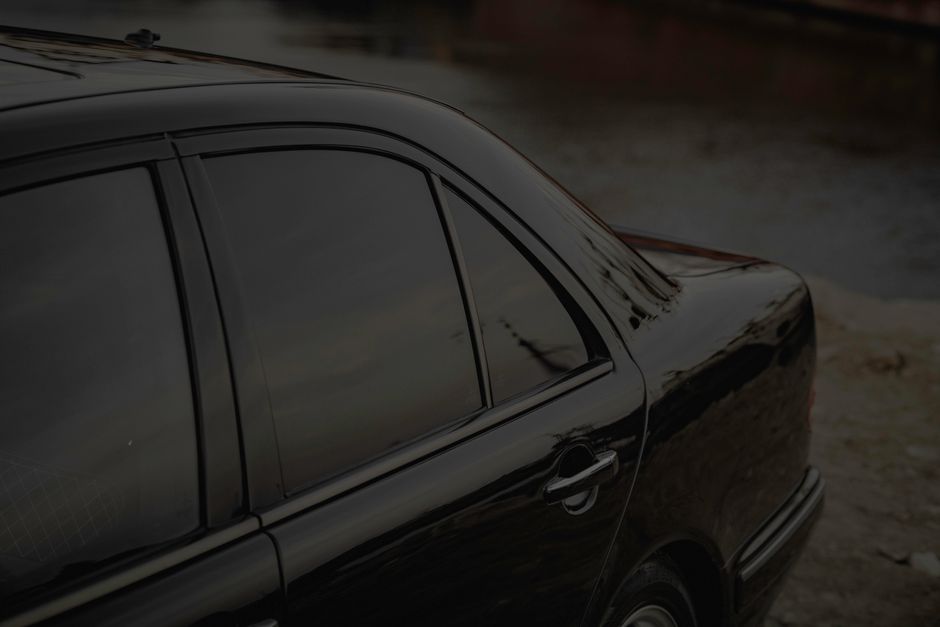
Window tint on your car typically lasts between 5 and 10 years, depending on the film quality, how much sun your vehicle gets, and how well you maintain it. If you’ve been wondering whether that tint job is worth the investment, the answer is yes—but understanding what affects durability helps you get the most out of it.
Standard Window Tint Lifespan
Most automotive window tints fall into a few categories, and each one ages differently.
Basic dyed films are the budget option and fade fastest. You’re looking at roughly 2 to 5 years before they start looking washed out and lose their protective qualities. The dye breaks down under UV exposure, which is why they don’t hold up as well in hot climates like Arizona.
Standard tints with better construction can last 5 to 10 years. These films have better adhesive and protective layers, so they resist fading longer and maintain their appearance better over time.
Ceramic and advanced film technology pushes durability even further. Newer formulations are engineered to handle extreme heat and UV rays, which means they can outlast traditional tints significantly. If you invest in higher-quality film, you’re buying years of protection.
Related: Ceramic Window Tint vs Dyed Film: Which Is Better?
What Actually Affects How Long Your Tint Lasts
Lifespan isn’t just about the film itself. A bunch of real-world factors play a huge role in how long your tint will actually last.
Film quality is everything. Cheap tint deteriorates faster and may start showing problems within a few years. Investing in better film upfront means fewer headaches down the road.
Sun exposure matters. If your car sits in direct sunlight all day, every day, your tint will fade faster than a car that spends time in shade or a garage. Arizona’s intense desert sun is particularly tough on window tint, which is why climate really affects how long your film will perform.
Installation quality makes a real difference. A professional installation prevents common problems like bubbling, peeling, and poor adhesion that can shorten your tint’s lifespan. When SunTrust Mobile Window Tinting applies your film, they’re using techniques that ensure the tint stays put and lasts as long as intended.
Related: Window Tint Installation for Peoria Business Owners: A Complete Guide
How you care for your tint matters too. Aggressive scrubbing, using harsh chemicals on the windows, or rolling them down immediately after installation can damage the film. If you treat your tint gently in the first few weeks and avoid abrasive cleaning methods, you’ll extend its life.
Signs Your Window Tint Is Starting to Fail
Before your tint completely gives up, it usually sends some warning signs. Knowing what to look for helps you plan a replacement before things get ugly.
Fading and discoloration. The tint starts looking purple, faded, or washed out. This means the protective layers are breaking down, and the film isn’t doing its job as well as it used to.
Bubbling and peeling. Small bubbles form between the film and the glass, or the edges start pulling away. This usually means either the film is old or the installation wasn’t done right. Either way, it’s time to replace it.
Loss of heat and UV protection. You notice the car feels hotter inside or the sun’s glare seems brighter. The tint has stopped protecting you effectively.
Adhesion issues. The film starts lifting or separating from the glass. Once this happens, the tint won’t hold much longer.
Can You Replace Tint on Just One Window
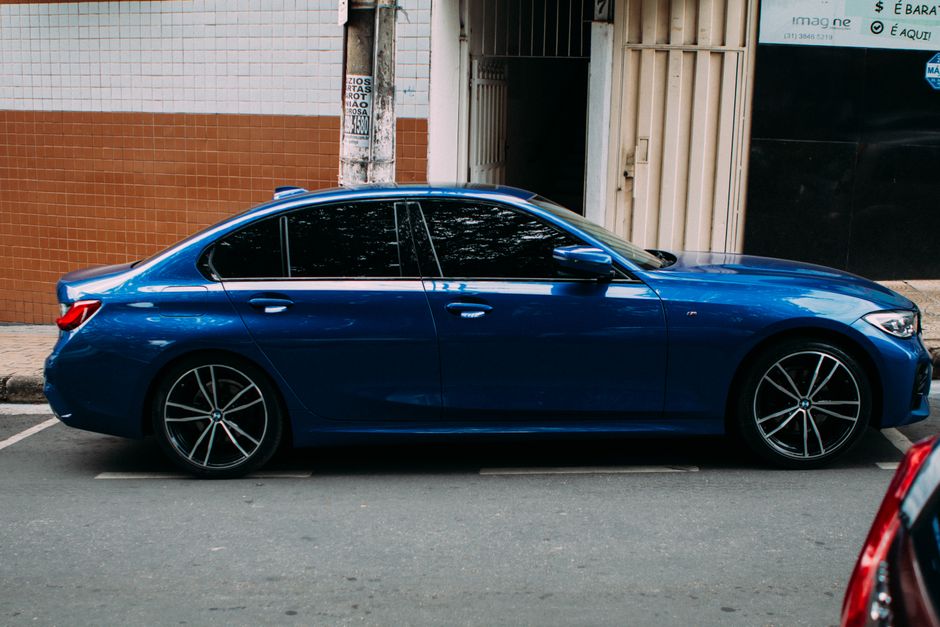
You don’t have to re-tint your entire vehicle if only a couple of windows are showing wear. Individual windows can be replaced without touching the rest of your car’s tint.
This is a smart move if you’ve got uneven fading or damage on just one or two panes. You can upgrade certain windows to better film while keeping other areas as they are, which helps you manage costs while maintaining a consistent look.
Getting the Most Out of Your Window Tint
You can actually extend your tint’s lifespan with some basic habits.
- Wait at least 48 hours after installation before rolling down your windows
- Avoid washing or scrubbing the tinted windows aggressively for the first month
- Use gentle, soft-bristle brushes or microfiber cloths when you do clean your windows
- Park in shade whenever possible to reduce sun exposure
- Skip the harsh chemical cleaners that can break down the film
- Keep your car out of extreme heat when you can
These simple steps don’t take much effort but they really do help your tint last longer and look better.
When It’s Time to Call a Professional
If your tint is showing multiple signs of failure or you’re approaching the end of its typical lifespan, it’s worth getting a professional opinion on whether replacement makes sense. SunTrust Mobile Window Tinting can assess the condition of your current film and help you decide if a refresh is the right move for your vehicle and budget.
People Also Ask

How can I make my car window tint last longer?
Treat your tint gently in the first month after installation, avoid harsh cleaners and rough scrubbing, park in shade when possible, and keep your vehicle out of extreme heat. Professional installation from the start also matters—properly applied film lasts significantly longer than poorly installed tint.
Why is my window tint fading so fast?
Fast fading usually means one of three things: low-quality film, constant sun exposure, or poor installation. If you parked in the desert sun every day with budget-grade tint, it’ll fade quickly. Upgrading to better quality film helps a lot if you’re in a hot climate.
Can you replace window tint without replacing the whole car?
Absolutely. You can remove and replace tint on individual windows or just a few panes without touching the rest of your car. This is a cost-effective way to refresh worn areas or upgrade to better film on your most-exposed windows.
Is ceramic window tint worth the extra cost?
If you want your tint to last longer and perform better against heat and UV rays, ceramic and advanced films are worth considering. They cost more upfront but outlast basic dyed films by several years, and they maintain their appearance and protective qualities longer.
Leave a Reply