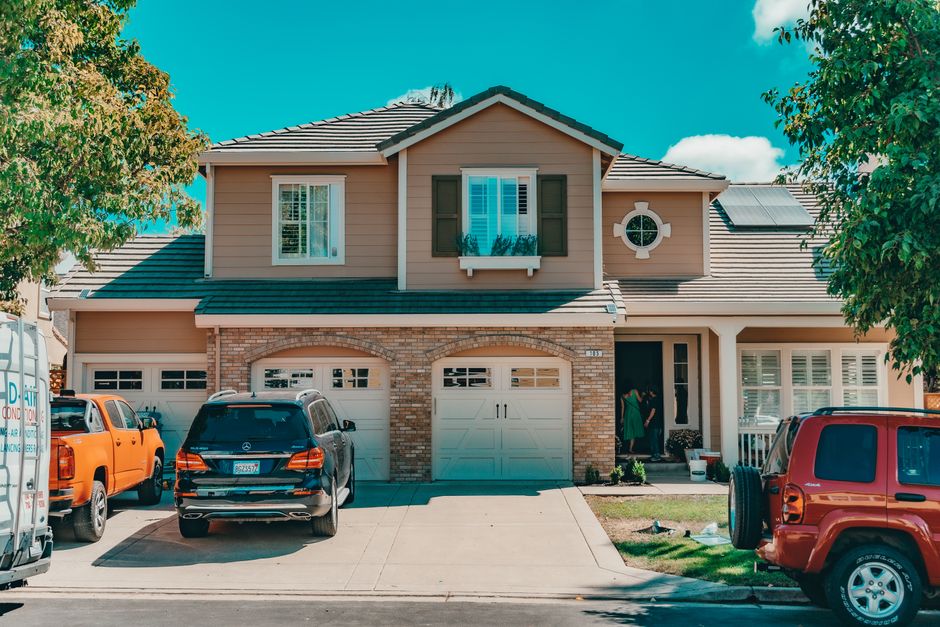
Solar window film benefits for residential homes are real, measurable, and they start working the moment installation is complete. If you’re tired of heat pouring through your windows, glare washing out your TV, or noticing faded spots on your hardwood floors, window film is a straightforward solution that delivers results without replacing your glass or overhauling your HVAC system.
Here’s the honest truth: most homeowners don’t realize how much solar heat and UV damage passes straight through standard glass. This guide walks you through the actual benefits, how they work, and what to expect when you’re considering this upgrade for your home.
How Solar Window Film Reduces Energy Costs
Your air conditioning system works overtime during hot months because untreated windows act like giant skylights, flooding your home with solar heat. Solar window film changes that dynamic by rejecting a significant portion of that heat before it enters your home.
Related: How Solar Window Film Reduces Cooling Costs
High-performance films reject over 75% of solar heat, while standard films typically block 50% or more depending on the type and your existing glass. That difference translates directly to your utility bill. Your cooling system doesn’t have to run as long or as hard, which means less electricity consumed and lower monthly costs.
In the Peoria, Arizona area where temperatures regularly exceed 115 degrees in summer, the payoff is substantial. Homeowners typically see energy bill reductions between 15-30% during peak cooling seasons. That’s not a small number over a year, let alone across multiple years of ownership.
Winter benefits matter too. Certain window films help retain interior heat, reducing heating demands when outdoor temperatures drop. Your home stays more thermally stable throughout the year, which keeps your HVAC system from cycling as aggressively.
UV Protection and Furniture Preservation
UV rays don’t just damage your skin. They fade and deteriorate everything they touch inside your home. Hardwood floors, area rugs, upholstered furniture, curtains, and artwork all lose color and integrity when exposed to unfiltered sunlight over time.
Solar window film blocks 99% of UVA and UVB rays, creating a protective barrier that’s nearly identical to what professional UV-protection glass would provide. Your furniture, flooring, and fabrics maintain their appearance and quality for years longer than they would without this protection.
This benefit alone justifies the investment for many homeowners. Replacing faded upholstery or refinishing hardwood floors costs thousands of dollars. Window film prevents that damage from happening in the first place.
Glare Reduction Without Sacrificing Natural Light
One of the biggest concerns homeowners have about window film is the fear that their home will feel dark or cave-like. That’s a legitimate concern based on older window tinting technology, but modern solar films don’t work that way.
Related: Glare Reduction Window Film for Home Offices: A Guide
Contemporary films are engineered to reduce glare while maintaining excellent natural light penetration. You get to enjoy daylight without the harsh, washed-out quality that strong glare creates. Your TV screen isn’t washed out anymore. You can read comfortably without squinting. Interior colors appear true instead of bleached.
The balance is precise. Advanced formulations allow you to have it both ways: natural illumination and glare control. Rooms stay bright and welcoming while harsh sunlight is softened and redirected.
Privacy Improvement Without Losing Daylight

If you’ve ever sat in a room where you could see outside perfectly clearly, but someone standing outside could see right in, you know that one-way privacy isn’t actually achievable with tinted glass alone. But modern solar window films improve privacy during daylight hours significantly.
Certain films reduce outward visibility during the day, making it harder for people outside to see into your home while still allowing you to see outside and maintain natural light. It’s a practical privacy upgrade that doesn’t require curtains or blinds.
Long-Term Home Value and Appeal
Energy-efficient upgrades matter to real estate buyers. When you install solar window film, you’re signaling that the home has been maintained thoughtfully and operates efficiently. SunTrust Mobile Window Tinting works with homeowners who specifically mention their window film as a selling point during property inspections.
Prospective buyers appreciate the visible energy-saving upgrades. Lower projected utility costs make your home more attractive in a competitive market. This isn’t a guaranteed increase in resale value, but it contributes to overall appeal and perceived quality of the property.
Year-Round Performance and Comfort
Solar window film isn’t just a summer solution. Yes, heat rejection is the primary benefit during hot months, but the protection and efficiency gains apply throughout the year.
Winter heat retention improves interior comfort and reduces heating costs. UV protection works every single day, regardless of season. Glare reduction is consistent. Privacy enhancement doesn’t fluctuate with temperature or weather.
This makes window film one of the most reliable home comfort upgrades you can implement. You get steady, measurable benefits every day without seasonal downtime.
Modern Aesthetics and Installation Quality

Older window tinting created that dark, obviously-tinted look that screamed “something was added.” Modern solar films are subtle and engineered to look natural. They enhance your home’s appearance without announcing themselves.
Related: Residential Solar Window Film Installation: Step-by-Step Guide
Related: UV Blocking Film for Residential Windows: A Complete Guide
Installation quality matters enormously. Professional application ensures there are no bubbles, wrinkles, or peeling edges. Poor installation undermines all the benefits and creates a maintenance headache. When you’re ready to move forward, working with experienced professionals like SunTrust Mobile Window Tinting ensures you get the performance and appearance you’re paying for.
Related: Mobile Window Tinting for Business Buildings in Phoenix: Cost, Benefits & Process
The difference between DIY application and professional installation is stark. This is one of those home upgrades where the service quality directly determines whether you’re satisfied with the results six months from now.
How to Evaluate Solar Window Film for Your Home
Start by identifying your primary goals. Are you most concerned about energy costs? UV protection? Glare? Privacy? Most homeowners benefit from all four, but the relative priority helps guide the film type you select.
Related: Energy Efficient Window Film for Homes: Complete Guide
Related: Decorative Window Film for Home Privacy: A Complete Guide
Consider your home’s orientation and window exposure. South and west-facing windows receive the most intense solar heat and UV exposure. Those are often the highest-priority targets for film installation.
Get a professional assessment. Every home is different. Window size, orientation, existing glass type, and your climate all factor into which film type delivers the best results for your specific situation. SunTrust Mobile Window Tinting provides consultations to evaluate your home and explain which options make sense for your goals and budget.
Ask about warranty coverage. Reputable installations come with warranties that cover the film and application quality. This protects your investment and gives you recourse if issues develop.
What Research Shows About Window Film Effectiveness
The performance claims around window film aren’t marketing hype. The U.S. Department of Energy confirms that window film can reduce cooling costs by 15-30%, depending on climate and application. Studies consistently show UV blocking in the 99% range when films meet industry standards.
Real-world homeowner experience backs this up. People in hot climates report noticeable comfort improvements and measurable utility bill reductions. These aren’t theoretical benefits. They’re documented results from thousands of installations.
Installation Timeline and What to Expect
Professional window film installation is fast and non-disruptive. Most residential homes can be completed in one to three days, depending on the number of windows and film type selected.
Related: Residential Window Film Installation Timeline & Process
After installation, the film needs a few days to fully cure. During that curing period, avoid touching the film and don’t open or close windows repeatedly. This allows the adhesive to bond properly and ensures you get the durability and performance the film is designed to provide.
Cleaning and maintenance are straightforward. After the curing period, you clean the film like regular glass using soft cloths and standard window cleaning solutions. There’s no special maintenance required.
People Also Ask
Does solar window film make rooms darker?
Modern solar window films are designed to reduce glare and heat while maintaining natural light. You won’t experience the dark, cave-like effect that older window tinting created. Light balance is engineered into contemporary film formulations.
How long does solar window film last?
Quality residential window films typically last 15-20 years or longer when professionally installed. The lifespan depends on film type, sun exposure, and installation quality. Warranty coverage usually spans 10-15 years.
Can window film be removed if I change my mind?
Yes. Professional removal doesn’t damage glass when performed correctly. However, removal is labor-intensive and typically costs 30-50% of the installation price. Most homeowners find the benefits substantial enough that removal isn’t a concern.
Is window film effective in cloudy climates?
Window film provides benefits in any climate. Heat rejection is valuable year-round. UV protection works even on cloudy days because UV rays penetrate cloud cover. In cooler climates, the heating retention benefit becomes the primary advantage, though UV and glare benefits remain.